Butter Cookies

 235
235
 18
18
 1.30k
1.30k

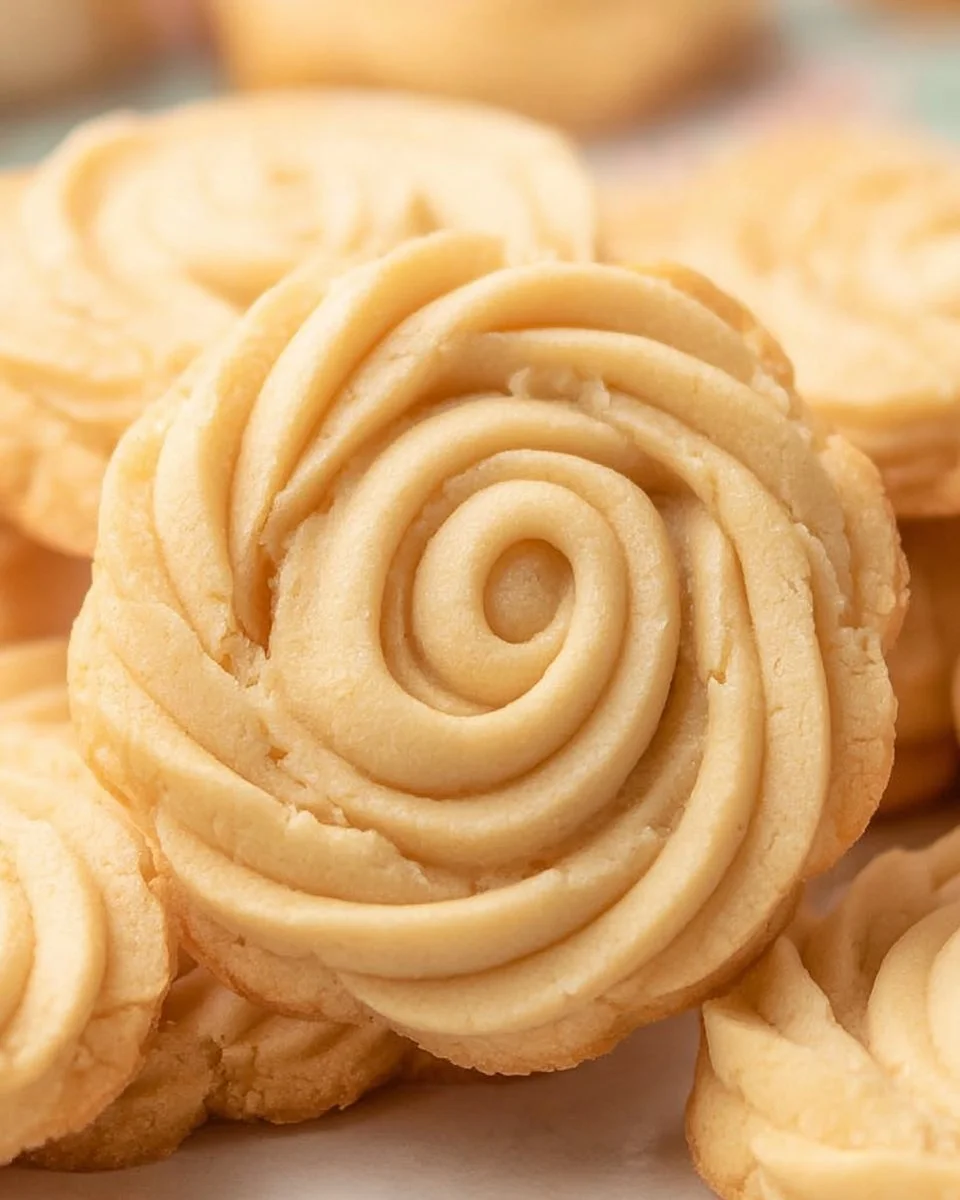
I grew up with a jar of butter cookies on the holidays — crisp at the edges, tender in the middle, and impossibly buttery. This pared-down recipe uses just softened unsalted butter, powdered sugar, and all-purpose flour to make classic, melt-in-your-mouth cookies in under an hour. It’s a perfect go-to when you want a timeless treat without a long ingredient list or fussy technique. If you like simple bakes, you might also enjoy the 3‑ingredient healthy peanut butter oatmeal cookies for another minimal-ingredient option.
Why you’ll love this dish
These butter cookies are the definition of simplicity: three pantry staples produce a short, tender cookie that’s subtly sweet and incredibly versatile. They’re great for:
- Last-minute tea time or coffee breaks.
- Holiday cookie trays where you want a neutral base to dip or decorate.
- Kid-friendly baking — the dough is forgiving and fun to shape.
"Perfectly buttery with a delicate crumb — everyone in my family asks for the recipe every time." — a quick review from my baking circle
Why else make them? They’re budget-friendly, quick to mix, and suitable for bakers of every level. Because the flavor is simple, small tweaks (zest, extracts, dips) make a big difference, so this recipe doubles as a base for creative twists.
Step-by-step overview
Before you start: soften the butter to room temperature and measure ingredients precisely. The process is straightforward:
- Preheat and prep a baking sheet.
- Cream butter and powdered sugar until light and fluffy.
- Add flour gradually until the dough comes together.
- Shape the dough (balls, piped rosettes, slices) and bake until edges are just set.
- Cool completely on a rack before storing or decorating.
If you prefer very quick, no-chill cookies, this method yields tender results with minimal hands-on time. For a firmer shape, refrigerate the dough briefly before cutting or piping. If you like other simple cookie ideas while you wait, check a different quick recipe like the 3‑ingredient peanut butter cookies for inspiration.
What you’ll need
- 1 cup (2 sticks) unsalted butter, softened (room temperature)
- 1/2 cup powdered (confectioners’) sugar
- 2 cups all-purpose flour
Notes and substitutions:
- Unsalted butter gives you control over salt; add 1/8 teaspoon fine sea salt if using salted butter.
- Powdered sugar helps keep the dough tender; if you only have granulated sugar, use a slightly smaller amount and pulse in a blender to powder it for best texture (see FAQ).
- For a dairy-free version, use a firm vegan butter one-to-one, but expect a slightly different mouthfeel.
- For a gluten-free swap, use a 1:1 gluten-free flour blend designed for baking and follow the manufacturer’s instructions.
If you prefer other minimal-ingredient desserts, try the 4‑ingredient peanut butter cookies to compare textures and flavors.
Step-by-step instructions

- Preheat the oven to 350°F (175°C). Line a baking sheet with parchment paper and set aside.
- In a large mixing bowl, place the softened butter and powdered sugar. Using a hand mixer or stand mixer on medium speed, beat for about 2–3 minutes until the mixture is light, creamy, and fluffy. Stop once or twice to scrape down the bowl.
- Reduce mixer speed to low. Gradually add the flour in roughly 1/2-cup increments, mixing until each addition is incorporated. The dough may look crumbly at first.
- When most of the flour is mixed in, use your hands to gently knead the dough in the bowl or on a lightly floured surface until it forms a soft, pliable ball. Don’t overwork it.
- Choose one of these shaping methods:
- Roll into 1‑inch balls, place 2 inches apart on the sheet, and lightly flatten with the bottom of a glass or the tines of a fork.
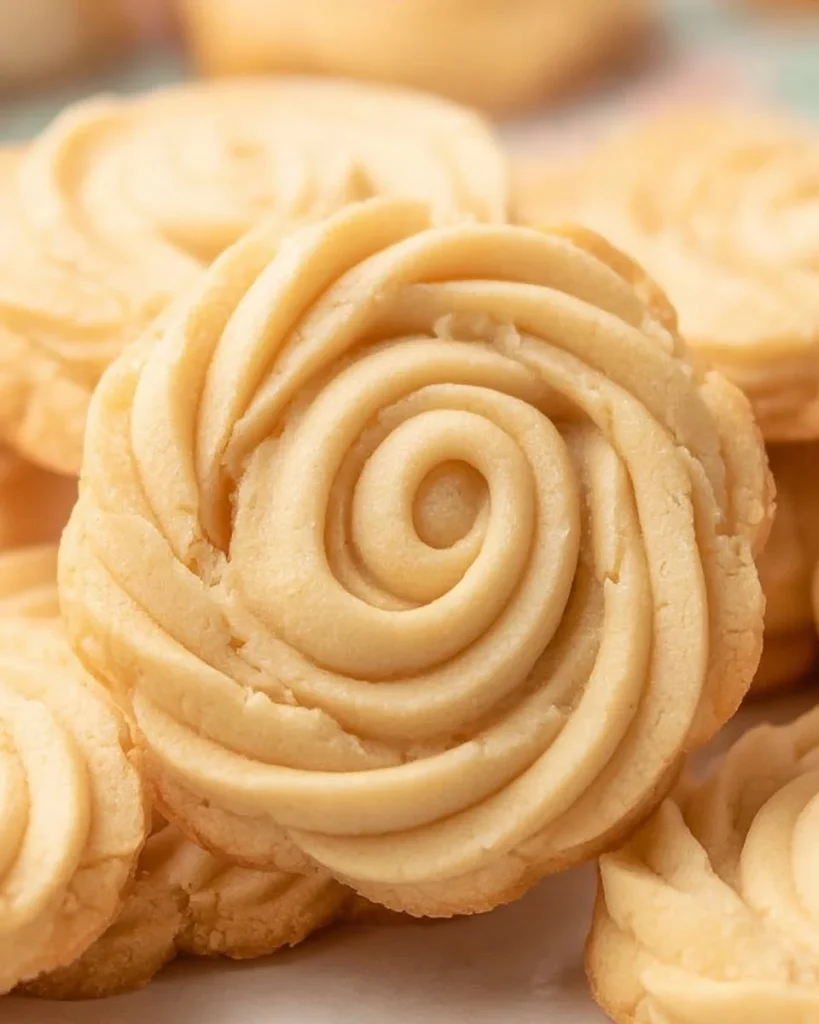
- Transfer dough to a piping bag fitted with a large star tip and pipe rosettes directly onto the sheet for classic butter cookie shapes.
- Roll the dough into a log, wrap in plastic, chill until firm, then slice into rounds.
- Bake at 350°F (175°C) for 10–14 minutes, until the edges just begin to color. Baking time varies with size and shape — smaller cookies take less time.
- Remove from the oven and let cookies cool on the baking sheet for 5 minutes, then transfer to a wire rack to cool completely.
- Once cooled, decorate (if desired) or store.
These cookies firm up as they cool; slightly underbaking by a minute or two yields a softer center, while a little more time gives crisp edges.
Best ways to enjoy it
- Pair warm butter cookies with a cup of strong coffee, a milky tea, or hot cocoa.
- Arrange them on a platter with other small cookies, candied nuts, and dried fruit for holiday sharing.
- Dip half in melted dark or milk chocolate and chill until set for a lovely contrast in flavor and texture.
- For a simple dessert plate, serve three cookies with a scoop of vanilla ice cream and a drizzle of raspberry sauce.
Presentation tip: pipe rosettes on a parchment-lined tray and dust with extra powdered sugar right before serving for a bakery-style finish.
How to store & freeze
- Room temperature: Store cooled cookies in an airtight container layered with parchment for up to 5 days.
- Refrigerate: Not necessary unless you’ve used a perishable filling; airtight for up to 10 days.
- Freeze baked cookies: Freeze in a single layer on a sheet until firm, then transfer to a freezer-safe container or bag for up to 3 months. Thaw at room temperature.
- Freeze dough: Shape into a log and wrap tightly in plastic; freeze for up to 3 months. Slice and bake from chilled—add a minute or two to baking time if still partially frozen.
Food safety note: always cool cookies completely before sealing to avoid condensation and sogginess. If you add perishable toppings (cream-based frostings), refrigerate and consume within 2–3 days.
Pro chef tips
- Use properly softened butter: it should give slightly when pressed but not be greasy or melted. Over-softened butter won’t trap air properly.
- Powdered sugar vs. granulated: powdered sugar makes a finer, melt-in-your-mouth texture. If using granulated, pulse it in a blender to make it finer.
- Don’t overmix after adding flour: stop when the dough holds together to avoid tough cookies.
- For cleaner shapes when piping, chill the filled piping bag for a few minutes so the dough is slightly firmer.
- Uniform size = uniform bake: use a small scoop to portion dough for even results.
- For a slightly crisper edge, bake on an uninsulated dark sheet; for paler cookies, use an insulated baking sheet.
If you enjoy experimenting with short, simple cookie doughs, also look at the 4‑ingredient peanut butter oatmeal cookies for additional technique ideas like piping and shaping.
Creative twists
- Citrus butter cookies: add 1–2 teaspoons lemon or orange zest to the dough for a bright lift.
- Vanilla or almond: 1 teaspoon vanilla extract or 1/2 teaspoon almond extract enhances complexity.
- Chocolate-dipped: dip half the cooled cookie in melted chocolate and garnish with sea salt.
- Cocoa swirl: replace 1/4 cup flour with 1/4 cup cocoa powder for chocolate butter cookies.
- Nutty: fold in 1/3 cup finely chopped toasted nuts for crunch.
- Dietary swaps: use vegan butter for dairy-free cookies and a gluten-free flour blend for gluten-free versions (texture will vary).
These changes keep the base method intact while giving you vastly different cookies from the same simple dough.
Common questions
Q: How long does this recipe take from start to finish?
A: Active hands-on time is about 15–20 minutes. Including baking and cooling, plan for 40–60 minutes.
Q: Can I use granulated sugar instead of powdered sugar?
A: Yes, but powdered sugar is preferred for the melt-in-your-mouth texture. If using granulated, pulse it in a blender to make it finer and reduce the amount slightly (about 1/3 cup).
Q: How do I make cookies crispier or softer?
A: For crispier cookies, bake a minute or two longer until edges brown; for softer cookies, slightly underbake and remove from the oven while centers still look a touch soft. Storage in an airtight container helps keep them tender.
Q: Can the dough be chilled or frozen?
A: Yes — shape into a log and freeze for up to 3 months, then slice and bake. You can also chill shaped dough for 30–60 minutes to get cleaner edges.
Q: Are butter cookies safe for kids?
A: Absolutely — just ensure any decorations or dips are age-appropriate and avoid choking hazards for very young children.
Conclusion
If you want more inspiration or alternate methods for classic butter cookies, Preppy Kitchen has a detailed, step-forward version worth reviewing at Preppy Kitchen’s butter cookies. For a baker-friendly recipe with video guidance and troubleshooting tips, see Sally’s Baking Addiction’s butter cookies recipe + video. And if you’re curious about a one-bowl, speedy approach, read the Cloudy Kitchen take on one-bowl 30 minute butter cookies.
Classic Butter Cookies
Ingredients
Method
- Preheat the oven to 350°F (175°C) and line a baking sheet with parchment paper.
- In a large mixing bowl, cream the softened butter and powdered sugar together using a hand mixer on medium speed until light and fluffy, about 2–3 minutes.
- Gradually add the flour in roughly 1/2-cup increments, mixing until each addition is incorporated. Knead the dough gently until it forms a soft, pliable ball.
- Choose one shaping method: roll into 1-inch balls, pipe into rosettes, or roll into a log and slice.
- Bake the cookies at 350°F (175°C) for 10–14 minutes, until the edges just begin to color.
- Let the cookies cool on the baking sheet for 5 minutes before transferring to a wire rack to cool completely.