No Bake Peanut Butter Oatmeal Cookies

 235
235
 18
18
 1.30k
1.30k

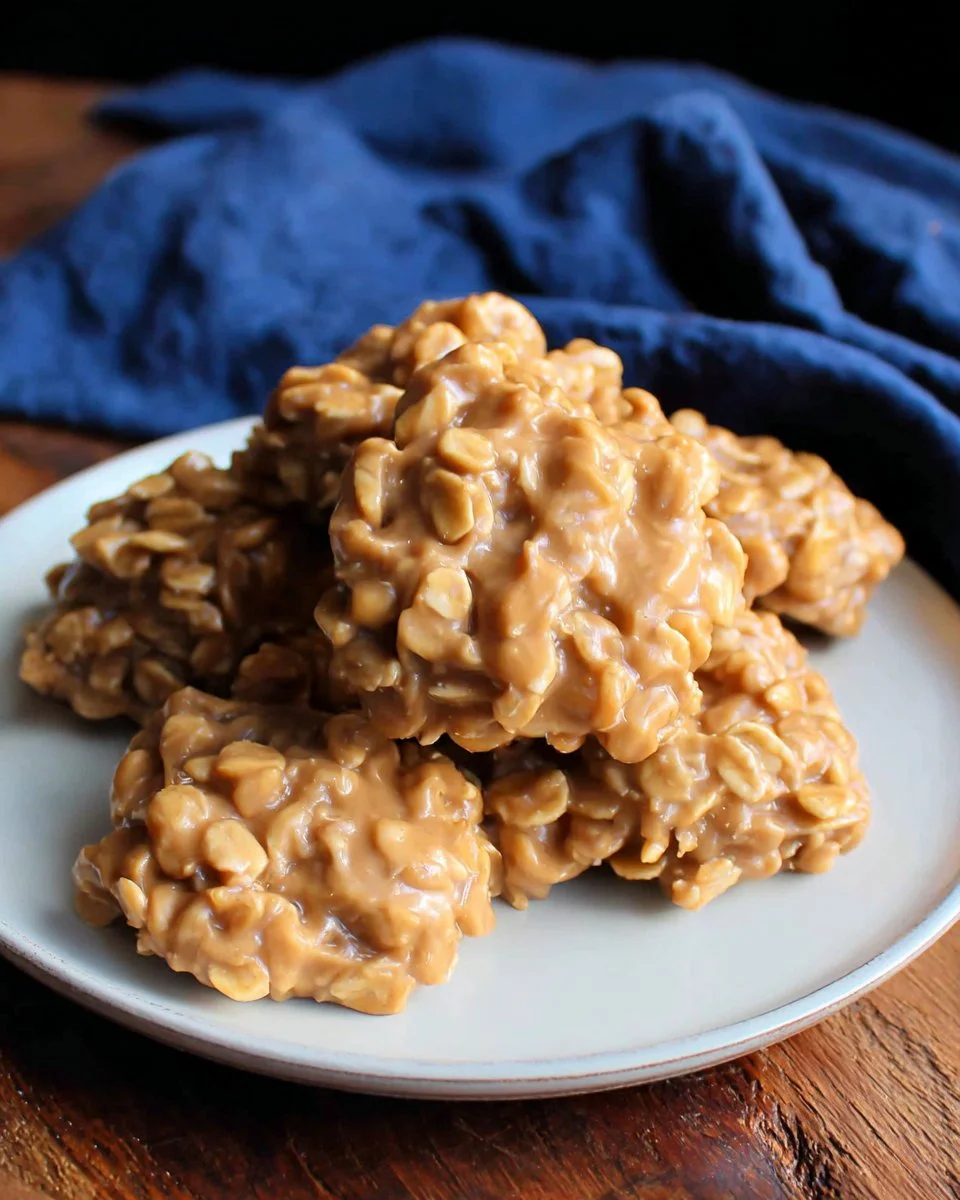
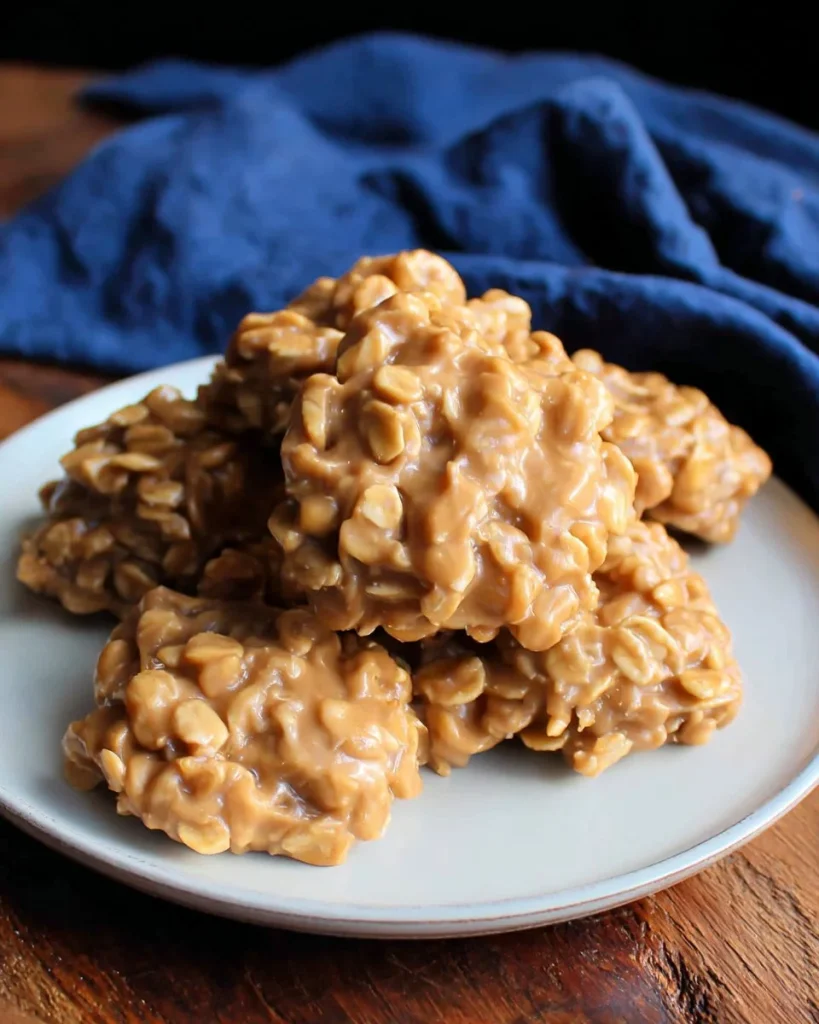
I still remember the first time I made these no bake peanut butter oatmeal cookies — they came together in under 15 minutes, stuck to nothing, and vanished off the counter before I’d had my second cup of coffee. This is the classic pantry-friendly cookie that people turn to when they want a quick sweet fix: a simple stovetop boil of sugar, butter, and milk, folded into creamy peanut butter and oats, then spooned into cooling mounds. It’s perfect for busy afternoons, bake sales, school lunchbox treats, or anytime you need a comforting, fuss-free snack.
Want a chocolate twist or a version without flour? I’ve tried a few variations and linked a chocolate take below to spark ideas.
Why you’ll love this dish
These cookies are a no-fuss, high-reward treat that checks a lot of boxes: pantry staples, fast to make, no oven required, and kid-approved. They’re also forgiving — small timing or measurement differences rarely ruin the batch, which makes them ideal for beginner cooks or last-minute dessert plans.
“Fast, nostalgic, and ridiculously easy — these were gone in an hour at our family gathering.” — a quick review from a weekend tester
They’re especially handy when baking space is limited (no oven), or when you want something warm-and-comforting without turning on the oven on a hot day. If you like a denser, chewier cookie, use old fashioned oats as written; for a finer texture, pulse the oats briefly in a food processor.
In case you want a different spin on no-bake combos, check out this chocolate version for inspiration: chocolate-peanut-butter no-bake cookies.
The cooking process explained
Before you measure, here’s the quick sequence so you know what to expect:
- Line a baking sheet with wax paper so cookies have an easy release.
- Bring sugar, butter, and milk to a rolling boil in a saucepan; maintain that boil for 60 seconds — this is what helps the cookies set.
- Remove from heat and stir in peanut butter and vanilla until smooth, then fold in oats.
- Drop spoonfuls onto the lined sheet and let them cool until set.
Keeping that one-minute rolling boil is the single most important step here: too short and cookies may be too soft; too long and they can scorch. Working quickly when you add the oats and scoop will make the process smooth.
What you’ll need
- 1½ cups granulated sugar
- ¼ cup butter (unsalted or salted)
- ½ cup milk (whole milk recommended for richness; see notes)
- 1 cup creamy peanut butter (stirred)
- 1 teaspoon vanilla extract
- 3 cups old fashioned oats
Ingredient notes and substitutions:
- Milk: whole milk gives the best texture; use 2% if needed. For dairy-free, swap for unsweetened almond or oat milk and use a dairy-free butter to make it vegan (see Variations).
- Peanut butter: creamy is specified for smooth mixing; natural peanut butter with oil separation will work but may change texture — stir it well first.
- Oats: old fashioned (rolled) oats provide the classic chew. Quick oats can be used for a softer, less textured cookie; steel-cut oats are not recommended.
- Sugar: granulated sugar gives the right set; using liquid sweeteners (honey, maple syrup) will change the chemistry and may not set properly.
Step-by-step instructions

- Line a baking sheet with wax paper and set aside so cookies can cool and release easily.
- In a large saucepan over medium heat, combine the granulated sugar, butter, and milk. Stir until the butter melts and the mixture is smooth.
- Bring the mixture to a boil, stirring frequently to keep it from burning. Once it reaches a full rolling boil, keep it boiling for exactly 1 minute while continuing to stir.
- Remove the pan from the heat. Immediately stir in the creamy peanut butter until the mixture is smooth and fully combined.
- Add the vanilla extract and then fold in the old fashioned oats until all oats are evenly coated. Work quickly — the mixture begins to firm as it cools.
- Using a spoon or small cookie scoop, drop mounds of the mixture (about 1–2 tablespoons each, depending on desired size) onto the prepared wax paper, spacing them about 1–2 inches apart.
- Let the cookies cool at room temperature until set, about 20–30 minutes. If you’re in a hurry, refrigerate the sheet for 10–15 minutes to speed up setting.
- Once firm, remove cookies from the wax paper and serve.
Yield: about 24–30 small cookies (depends on scoop size). Prep and active cook time: roughly 10–15 minutes; cooling time: 20–30 minutes.
Best ways to enjoy it
These cookies are lovely on their own with a glass of milk, but here are a few serving ideas:
- Plate them with fresh fruit and coffee for a relaxed brunch sweet.
- Crumble a couple over vanilla ice cream for instant crunch and peanut-butter flavor.
- Pack them in lunchboxes or snack bags for school and work — they travel well.
- For a party dessert tray, alternate with chocolate-dipped pretzels or mini brownies for contrast.
Pair with cold milk, unsweetened iced tea, or a cup of bold coffee to balance the sweetness.
How to store & freeze
Room temperature: Store cookies in an airtight container at room temperature for up to 3–4 days. Use parchment or wax paper between layers to prevent sticking.
Refrigerator: For longer life, refrigerate in an airtight container for up to 2 weeks — texture firms up but flavor holds.
Freezer: Freeze cooled cookies in a single layer on a baking sheet until solid (about 1 hour), then transfer to a freezer-safe bag or container; they’ll keep well for up to 3 months. Thaw at room temperature for 15–30 minutes before serving.
Food safety tip: because these are cooked and then cooled, ensure they reach and maintain proper temperatures while cooling — do not leave perishable additions (like fresh fruit) on them at room temp for extended periods.
Pro chef tips
- Time your boil carefully: a rolling boil for 60 seconds is the setting point. Use a timer rather than guessing.
- Stir continuously and scrape the pan bottom to avoid caramelization or burning. Burnt sugar will taste bitter and ruin the batch.
- If the mixture seems too soft when you add the oats, let it cool for 1–2 minutes off the heat then fold in the oats — they’ll absorb moisture more readily once slightly cooler.
- For uniform cookies, use a small cookie scoop. For bite-size treats, a teaspoon works well.
- If your peanut butter is the oily, natural type, stir it thoroughly so oils don’t separate the mixture; you may need an extra tablespoon of oats if the batter becomes too loose.
- Want a smoother cookie texture? Briefly pulse the oats in a food processor for a few seconds to break them down slightly.
If you want more no-bake ideas or an alternative oat-based peanut butter cookie, check this easy no-flour variant: easy no-flour peanut butter oatmeal cookies.
Creative twists
- Chocolate peanut butter: Add 2 tablespoons unsweetened cocoa powder to the hot sugar mixture before adding the peanut butter (or stir in 1 cup chocolate chips after removing from heat). This delivers the classic chocolate-peanut combo.
- Nut mix-ins: Fold in 1/4 cup chopped roasted peanuts, almonds, or toasted coconut for texture.
- Seed butter swap: Use sunflower seed butter for a peanut-free alternative — great for school-safe treats.
- Maple or honey flavor: Replace up to 1/4 cup of the granulated sugar with maple syrup or honey, but expect a softer cookie and adjust oats as needed.
- Vegan: Use vegan butter and a plant-based milk to make these dairy-free. Keep in mind texture may vary slightly.
- Spice it up: Add a pinch of cinnamon or a dash of espresso powder to deepen flavor.
For another chocolate-peanut butter take that’s popular online, you might like this variation: no-bake chocolate peanut butter cookies.
Common questions
Q: How long do these cookies take to set?
A: At room temperature they usually set in 20–30 minutes. If your kitchen is warm, refrigerate for 10–15 minutes to speed up setting.
Q: Can I use quick oats instead of old fashioned oats?
A: Yes. Quick oats will give a finer, denser texture. Rolled (old fashioned) oats give the classic chewy bite.
Q: Why did my cookies turn out too soft?
A: Most likely the sugar mixture didn’t boil long enough. Make sure you bring it to a full rolling boil and maintain that for 60 seconds. Also, adding oats while the mixture is too hot and thin can lead to softer cookies — let it cool for a minute if needed.
Q: Can these be made nut-free?
A: Yes — substitute sunflower seed butter or soy nut butter for peanut butter. Flavor will differ slightly but set and texture are similar.
Q: Can I halve the recipe?
A: Absolutely. The method is the same; just use a smaller saucepan to avoid rapid evaporation.
Conclusion
If you want to compare similar takes on chocolate or classic no-bake peanut butter cookies, see this well-tested chocolate version for a richer twist: Chocolate Peanut Butter No Bake Cookies from Sally’s Baking Addiction. For another straightforward riff on the classic no-bake peanut butter oatmeal cookie, this page offers a simple write-up and user tips: No Bake Peanut Butter Cookies With Oatmeal — Cooking With Carlee. And if you’d like yet another user-rated recipe for comparison, take a look at this Food.com listing for Peanut Butter Oatmeal No Bake Cookies: Peanut Butter Oatmeal No Bake Cookies on Food.com.
Enjoy the nostalgic, speedy sweetness — and remember that the 1-minute rolling boil is your best friend for perfectly set cookies.
No Bake Peanut Butter Oatmeal Cookies
Ingredients
Method
- Line a baking sheet with wax paper and set aside.
- In a large saucepan over medium heat, combine the granulated sugar, butter, and milk. Stir until the butter melts and the mixture is smooth.
- Bring the mixture to a boil, stirring frequently. Maintain a full rolling boil for exactly 1 minute.
- Remove from heat and stir in the creamy peanut butter until smooth.
- Add vanilla extract and fold in the old fashioned oats until well coated.
- Drop spoonfuls of the mixture onto the prepared wax paper, spacing them 1-2 inches apart.
- Let the cookies cool at room temperature for 20-30 minutes until set, or refrigerate for 10-15 minutes.
- Once set, remove cookies from the wax paper and serve.