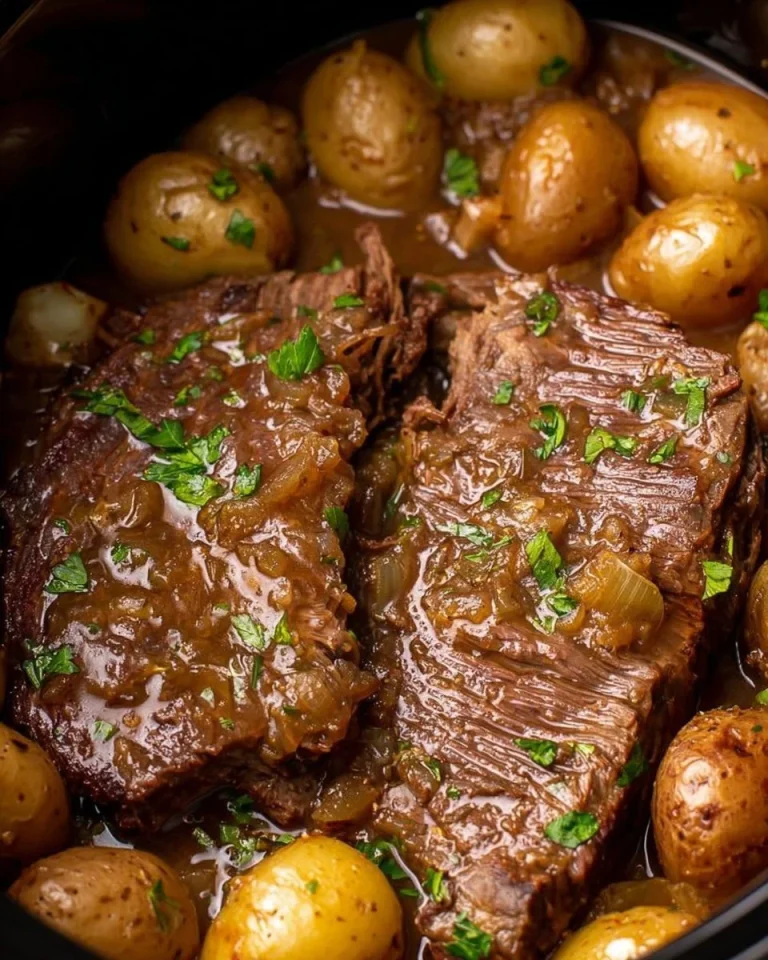
Mulligan Stew

 235
235
 18
18
 1.30k
1.30k

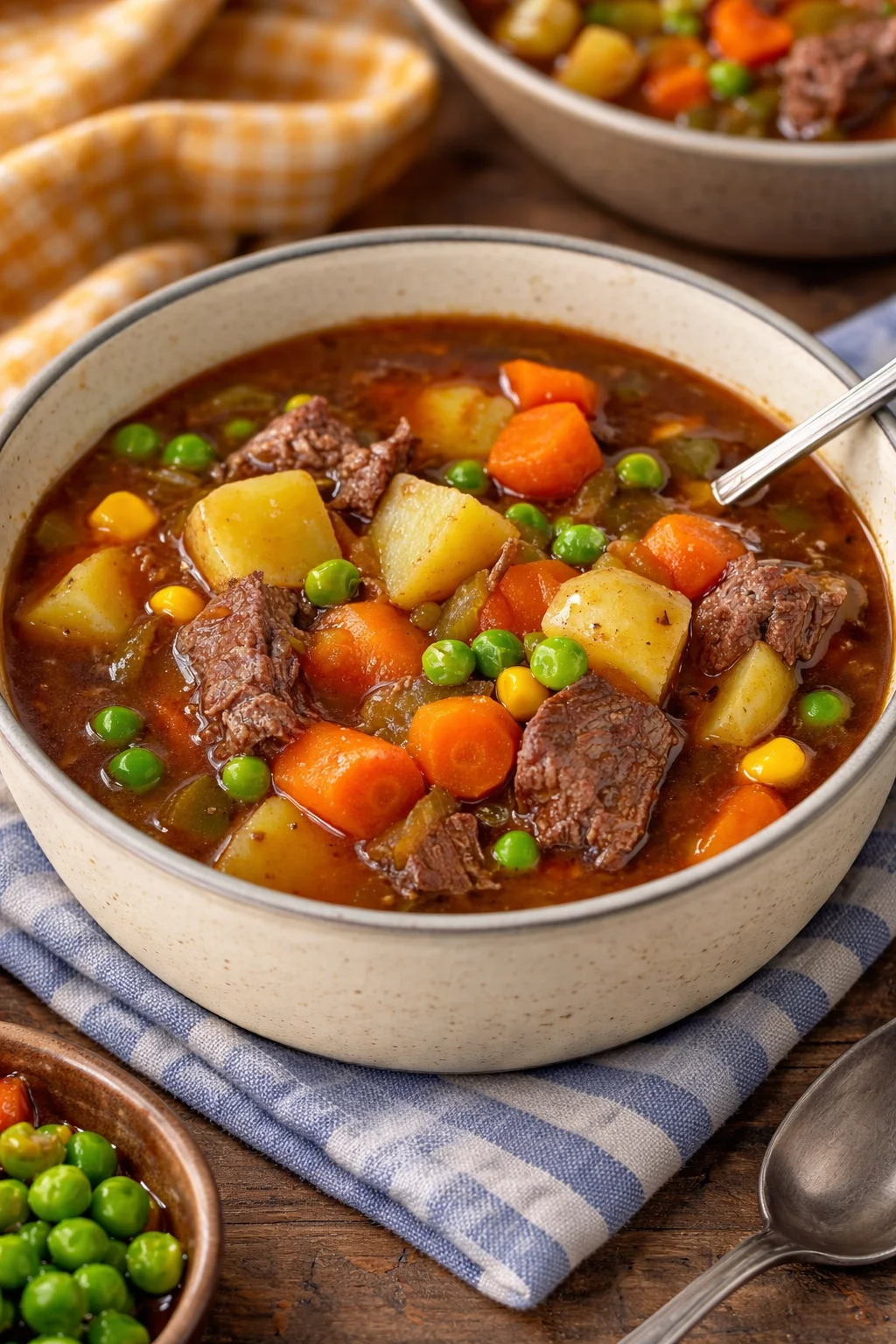
I’ve made Mulligan stew on chilly nights when the house needed something comforting, unpretentious, and reliably forgiving. This version leans on a 2‑pound beef chuck roast, hearty root vegetables, and a rich beef broth enriched with tomato paste and herbs — everything that turns a handful of pantry staples into a one-pot supper everyone asks for seconds of. If you want a slightly different method or a slow-cooker conversion, I’ve compared approaches in my updated Mulligan Stew variation, which helped me tighten timing for busy weeknights.
Why you’ll love this dish
Mulligan stew is the kind of meal that feels like a warm hug: economical, flexible, and built to feed a crowd or provide comforting leftovers. Using beef chuck makes the stew both flavorful and forgiving — it’s tough at the start, but melts into tender cubes with a gentle simmer. This recipe balances simplicity (few ingredients) with depth (browned meat, tomato paste, and long cooking), so you get a rich, layered broth without babysitting the pot.
“This stew became our go-to on blustery evenings — simple to assemble, full of comfort, and the flavors only get better the next day.”
It’s perfect for weeknight dinners, potlucks, or any time you want a no-fuss main that stretches economically. Plus, it’s kid-friendly, easily doubled, and a great base to riff on.
How this recipe comes together
High-level steps so you know what to expect before you start:
- Cut and season the chuck roast, then brown it to build flavor.
- Sauté onions and garlic to develop an aromatic base.
- Add carrots and potatoes to cook through without turning to mush.
- Combine browned meat and vegetables, stir in broth and tomato paste, tuck in bay and thyme, then simmer until everything is tender.
- Finish with a final seasoning check and serve.
If you like method variations, such as a longer simmer or a low-and-slow approach, see my notes on a longer-cooked technique in slow-cooker conversion notes. That helps when you want fork-tender beef without standing at the stove.
What you’ll need
- 2 pounds beef chuck roast, cut into 1–1½ inch cubes (trim excess fat if desired)
- 2 medium onions, chopped
- 3 large carrots, peeled and sliced into rounds
- 4 medium potatoes, diced into bite-sized pieces
- 3 cloves garlic, minced
- 6 cups beef broth (low-sodium if you prefer)
- 2 tablespoons tomato paste
- 2 bay leaves
- 1 teaspoon fresh thyme (or ½ teaspoon dried)
- Salt and freshly ground black pepper, to taste
- 2 tablespoons olive oil
Notes and substitutions:
- Swap the beef with stewing beef or a chuck roast cut into cubes; the connective tissue is what gives the best texture after simmering.
- For a thinner broth, increase broth by 1–2 cups; for a thicker stew, mash a few potatoes into the liquid near the end.
- For vegetarian versions, substitute a firm mushroom medley and vegetable broth (see Variations).
I also keep a short checklist of pantry swaps and quantities in my quick notes at base recipe notes if you want to compare measurements or scale the recipe.
Step-by-step instructions

- Preparation: Pat beef cubes dry and season generously with salt and pepper. Chop onions, slice carrots, dice potatoes, and mince garlic. Have your broth and tomato paste measured and ready.
- Browning the meat: Heat 1 tablespoon olive oil in a large Dutch oven over medium-high heat. Brown beef in batches so pieces sear rather than steam, about 2–3 minutes per side. Remove browned beef and set aside.
- Sautéing vegetables: Reduce heat to medium. Add the remaining tablespoon of olive oil if needed. Sauté onions until soft and beginning to caramelize, about 6–8 minutes. Add minced garlic and cook 30–60 seconds until fragrant.
- Adding carrots and potatoes: Stir in carrots and potatoes and cook 2–3 minutes to begin softening and to coat with flavors.
- Combining ingredients: Return browned beef to the pot with the vegetables. Add bay leaves and thyme.
- Adding broth: Pour in 6 cups beef broth to cover the meat and vegetables. Scrape any browned bits from the bottom of the pot — that’s concentrated flavor.
- Incorporating tomato paste and herbs: Stir in 2 tablespoons tomato paste until fully blended into the broth. Bring mixture to a gentle simmer.
- Simmering: Reduce heat to low, cover, and simmer 1½–2 hours, or until beef is fork-tender and vegetables are cooked through. Check after 1 hour and skim any excess fat if needed.
- Final seasoning: Remove bay leaves. Taste and adjust with salt and pepper. If the flavor tastes flat, a teaspoon of Worcestershire sauce or a splash of vinegar brightens the stew.
- Serving: Ladle into bowls and garnish with chopped parsley if desired.
Keep steps short and decisive; browning and a proper simmer are the two things that make this stew taste like more than the sum of its parts.
Best ways to enjoy it
- Ladle the stew into deep bowls and serve with crusty bread, soda bread, or buttery biscuits to sop up the rich broth.
- For a heartier meal, serve over buttered egg noodles or creamy mashed potatoes.
- Pair with a simple green salad dressed with lemon vinaigrette to cut the richness.
- For wine pairing, a medium-bodied red like Merlot or a Beaujolais offers bright fruit and gentle tannin to complement the beef.
Presentation tip: serve in pre-warmed bowls to keep the stew hot longer, and sprinkle with fresh parsley or chives for a lively finish.
Storage and reheating tips
- Refrigerate: Cool the stew to room temperature within two hours, then transfer to an airtight container. It will keep in the refrigerator for 3–4 days.
- Freeze: Portion into freezer-safe containers and freeze up to 3 months. Leave a little headspace for expansion. Thaw overnight in the fridge before reheating.
- Reheating: Gently reheat on the stovetop over low heat, stirring occasionally. Add a splash of broth or water if the stew is too thick. You can also reheat in the microwave in covered, vented containers, stirring halfway through.
- Food safety: Always reheat to an internal temperature of 165°F (74°C) before serving. Don’t refreeze thawed stew unless it was reheated first.
Pro tip: flavors often deepen after a day in the fridge, so leftovers can be better than the original.
Pro chef tips
- Don’t rush the browning: more surface browning equals more fond, and fond equals richer stew. Sear in batches to avoid crowding the pan.
- Use a heavy-bottomed pot (Dutch oven) for even heat and better flavor development.
- If your broth lacks body, dissolve 1 tablespoon cornstarch in 2 tablespoons cold water and stir into a simmering pot to slightly thicken.
- If potatoes are breaking down too much, add them halfway through the simmer rather than at the start.
- Taste as you go: low-sodium broth helps you control final seasoning.
Small adjustments like finishing with a squeeze of lemon or dab of butter can lift the stew dramatically.
Creative twists
- Slow-cooker Mulligan: After browning meat and sautéing onions, transfer everything to a slow cooker with broth and tomato paste; cook on low for 6–8 hours.
- Guinness Mulligan: Replace 1–2 cups of beef broth with Guinness or a dark ale for richer, malty notes.
- Hearty vegetable Mulligan (vegetarian): Use a mix of mushrooms, lentils, and vegetable broth; add root vegetables and adjust cooking times.
- Spicy variation: add a diced chipotle in adobo or a teaspoon smoked paprika for warmth and depth.
- Herb-forward: finish with chopped rosemary and thyme for a more aromatic stew.
These swaps keep the core character while letting you tailor the stew to dietary needs and pantry stock.
Common questions
Q: How long does it take from start to finish?
A: Active prep is about 20–30 minutes (cutting and browning). Simmer time is 1½–2 hours, so total time is roughly 2–2½ hours. Using a slow cooker increases total time but reduces active work.
Q: Can I use chuck roast frozen or should it be thawed?
A: Thaw the roast before cutting and browning. Trying to brown frozen meat will steam it and prevent a good sear, which diminishes flavor.
Q: My stew is too thin — how do I thicken it?
A: Simmer uncovered for 10–15 minutes to reduce, or whisk 1–2 tablespoons cornstarch with cold water and stir into the simmering stew. For a rustic thickener, mash a few potato chunks into the broth.
Q: Can I make this ahead for a party?
A: Yes — the stew often tastes better the next day. Reheat gently and keep warm in a low oven or on the stovetop. If serving for a crowd, keep an eye on liquid levels and add extra broth if needed.
Q: Is it safe to freeze with potatoes?
A: Potatoes can change texture after freezing and thawing; they’re still fine but may be a bit grainy. If texture matters, consider adding fresh potatoes when reheating.
Conclusion
For a comprehensive stovetop or slow-cooker guide that echoes some of the same techniques here, check out this detailed Mulligan Stew Recipe – Stovetop and Slow Cooker Directions. If you want a family-friendly riff with measurements and serving ideas similar to this recipe, this version is a useful reference: Mulligan’s Stew – Simple Family Beef Stew Recipe. To read about the dish’s background and cultural notes, the Wikipedia entry on Mulligan stew gives a concise history and context.
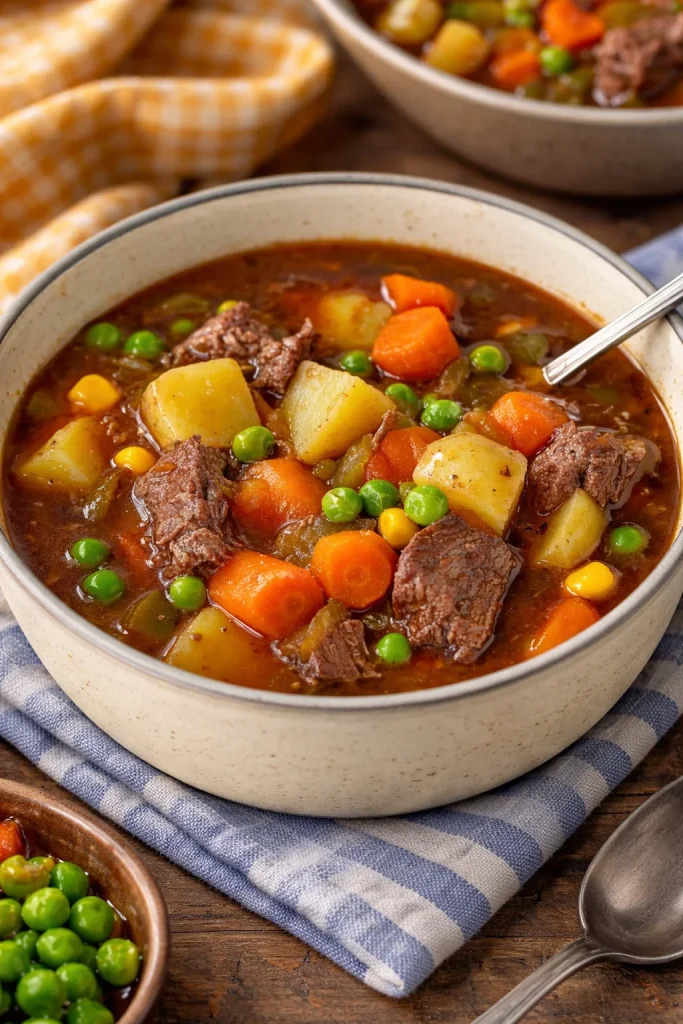
Mulligan Stew
Ingredients
Method
- Pat beef cubes dry and season generously with salt and pepper. Chop onions, slice carrots, dice potatoes, and mince garlic. Have your broth and tomato paste measured and ready.
- Heat 1 tablespoon olive oil in a large Dutch oven over medium-high heat. Brown beef in batches so pieces sear rather than steam, about 2–3 minutes per side. Remove browned beef and set aside.
- Reduce heat to medium. Add the remaining tablespoon of olive oil if needed. Sauté onions until soft and beginning to caramelize, about 6–8 minutes. Add minced garlic and cook 30–60 seconds until fragrant.
- Stir in carrots and potatoes and cook 2–3 minutes to begin softening and to coat with flavors.
- Return browned beef to the pot with the vegetables. Add bay leaves and thyme.
- Pour in 6 cups beef broth to cover the meat and vegetables. Scrape any browned bits from the bottom of the pot — that’s concentrated flavor.
- Stir in 2 tablespoons tomato paste until fully blended into the broth. Bring mixture to a gentle simmer.
- Reduce heat to low, cover, and simmer 1½–2 hours, or until beef is fork-tender and vegetables are cooked through. Check after 1 hour and skim any excess fat if needed.
- Remove bay leaves. Taste and adjust with salt and pepper. If the flavor tastes flat, a teaspoon of Worcestershire sauce or a splash of vinegar brightens the stew.
- Ladle into bowls and garnish with chopped parsley if desired.