Melt in your Mouth Butter Cookies

 235
235
 18
18
 1.30k
1.30k

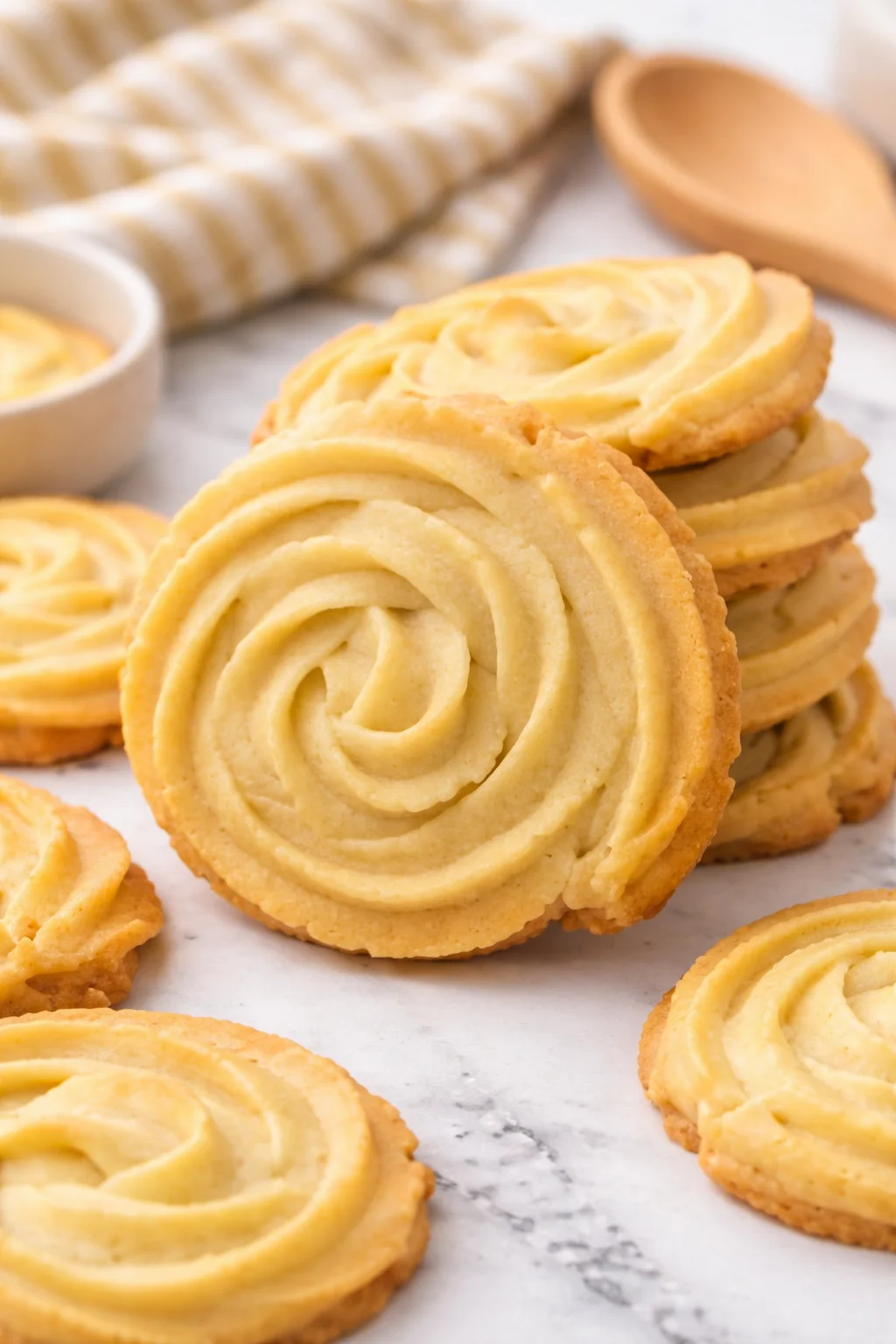
I grew up with a tin of tiny, crumbly cookies that vanished faster than I could refill it. These Melt in your Mouth Butter Cookies are that simple, nostalgic treat: just butter, powdered sugar, and flour come together to create a tender, buttery bite. They’re perfect for afternoon tea, holiday cookie swaps, or when you need a comforting, no-fuss sweet that everyone will love. If you want other three-ingredient ideas with the same fuss-free charm, try these three-ingredient butter cookies for a slightly different texture and shape.
Why you’ll love this dish
These cookies are the definition of effortless baking. With only three pantry staples and minimal hands-on time, you get a delicate, tender cookie that literally melts on the tongue. They’re:
- Fast — dough comes together in one bowl in minutes.
- Budget-friendly — basics you likely already have.
- Crowd-pleasing — neutral butter flavor that kids and adults both adore.
- Versatile — easy to dress up (sprinkles, citrus zest, or dipped chocolate).
“Absolutely addictive — the first batch vanished in one sitting. So simple and so buttery.” — a regular tester
They’re ideal when you want a homemade touch without a long recipe — holiday platters, last-minute guests, or packing a lunchbox treat.
How this recipe comes together
Before you start, here’s what to expect from the process, step by step:
- Soften the butter so it creams easily with the powdered sugar. This traps air and gives a light texture.
- Fold in the flour slowly to avoid overworking gluten; this keeps cookies tender.
- Shape into small, uniform balls so everything bakes evenly.
- Bake briefly until the edges pick up a faint golden tone — not brown. Cool on a rack to let them set.
This quick overview helps you move confidently through each moment: cream, fold, shape, and bake.
Ingredient list
- 1 cup unsalted butter, softened (room temperature)
- 1 cup powdered (confectioners’) sugar
- 2 cups all-purpose flour
Ingredient notes and simple swaps:
- Butter: unsalted gives you control over salt; use salted if that’s what you have, but skip added salt in the dough.
- Powdered sugar: provides fine texture and a touch of sweetness. Granulated sugar will give a different bite.
- Flour: all-purpose works best for structure but for a lighter crumb you can substitute half with cake flour.
If you like melt-in-your-mouth textures in savory dishes too, check out this melt in your mouth chicken breast for technique overlap.
Step-by-step instructions

- Preheat the oven to 350°F (175°C). Line a baking sheet with parchment paper or a silicone mat.
- In a mixing bowl, place the softened unsalted butter and powdered sugar. Use a hand mixer or stand mixer and beat until light and fluffy, about 2–3 minutes.
- Add the all-purpose flour gradually. Stir on low speed or fold with a spatula until the dough just comes together. Don’t overmix.
- Scoop approximately one tablespoon of dough and roll into a smooth ball. Place balls 1½ inches apart on the prepared baking sheet.
- Bake for 12–15 minutes, or until the edges are just turning lightly golden. The centers should still look pale.
- Remove from oven and let cookies rest on the baking sheet for 5 minutes, then transfer to a wire rack to cool completely.
Short, clear actions keep the bake consistent: soften, cream, add flour carefully, shape evenly, and watch the edges for doneness.
Best ways to enjoy it
- Plate them with a dusting of extra powdered sugar for a snowy look.
- Serve alongside tea, coffee, or a lightly sweetened cocoa.
- Pair with fruit preserves or lemon curd for a bright contrast.
- For a cookie platter, alternate these with dipped shortbreads or spiced cookies to balance richness.
For a savory-sweet pairing idea — think roasted beef and rich gravies for a holiday table — see this melt-in-your-mouth beef tips with mushroom gravy for inspiration on textures and contrasts.
How to store & freeze
- Room temperature: Store cooled cookies in an airtight container at room temperature for up to 4 days. Place a sheet of parchment between layers to prevent sticking.
- Refrigeration: Not necessary unless your kitchen is very hot; refrigeration can dry them out.
- Freezing: Freeze baked cookies in a single layer on a sheet. Once firm, transfer to a freezer-safe container with parchment between layers. Freeze up to 3 months. Thaw at room temperature.
- Dough freezing: Roll dough into a log, wrap tightly, and freeze. Slice and bake from frozen (add a minute or two) or thaw overnight in the fridge before baking.
Food safety tip: always cool completely before sealing to avoid condensation and soggy cookies.
Pro chef tips
- Butter temperature matters: aim for butter that yields slightly when pressed but still holds shape — about 65–70°F (18–21°C).
- Sift the powdered sugar if it’s lumpy to ensure even creaming.
- Use light hand pressure when shaping to keep texture delicate.
- If cookies spread too much, chill the shaped dough balls 10–15 minutes before baking.
- For uniform size and faster shaping, use a small cookie scoop.
- Avoid overbaking: pull them when edges are just tinted, because carryover heat will finish the bake.
These small techniques are what turn a good simple cookie into a memorable one.
Flavor swaps
- Vanilla or almond: Add 1 tsp vanilla extract or ¼ tsp almond extract for aromatic depth.
- Citrus: Fold in 1 tsp grated lemon or orange zest for bright notes.
- Chocolate dip: Melt chocolate and dip half the cooled cookies; chill until set.
- Nuts: Roll dough balls in finely chopped toasted pistachios or almonds before baking for texture.
- Gluten-free: Swap the flour 1:1 with a good all-purpose gluten-free blend; rest the dough 15 minutes before shaping to hydrate.
- Vegan: Use vegan butter spread and a powdered sugar labeled vegan (some powdered sugars use bone char in processing) — texture may differ slightly.
Helpful answers
Q: How long does the whole recipe take from start to finish?
A: Active prep is about 10–15 minutes. Baking time is 12–15 minutes a batch. Total including cooling is roughly 30–40 minutes.
Q: Can I use granulated sugar instead of powdered sugar?
A: You can, but the texture will be less tender and more crumbly. Powdered sugar dissolves into the butter and creates that melt-in-your-mouth quality.
Q: Are these cookies freezer-friendly after baking?
A: Yes — freeze in a single layer then stack in an airtight container with parchment between layers for up to 3 months.
Q: How do I stop cookies from going flat?
A: Ensure butter isn’t too warm, don’t overmix after adding flour, and chill shaped dough briefly if your kitchen is warm.
Q: Can I make these ahead for a party?
A: Bake them a day ahead and store in an airtight tin at room temperature. For longer prep, freeze baked cookies and thaw the morning you need them.
Conclusion
If you want a slightly different take or visual inspiration, this recipe pairs well with the Danish-style approach found in Easy Melt-in-Your-Mouth Butter Cookies (Danish Style). For a version that highlights simple piping and presentation tips, see the guide at Melt In Your Mouth Butter Cookies | Pretty. Simple. Sweet.. And if you’d like another home cook’s tested butter cookie variation, explore Melt in Your Mouth Butter Cookies – Pinch and Swirl for ideas on texture and finishing touches.
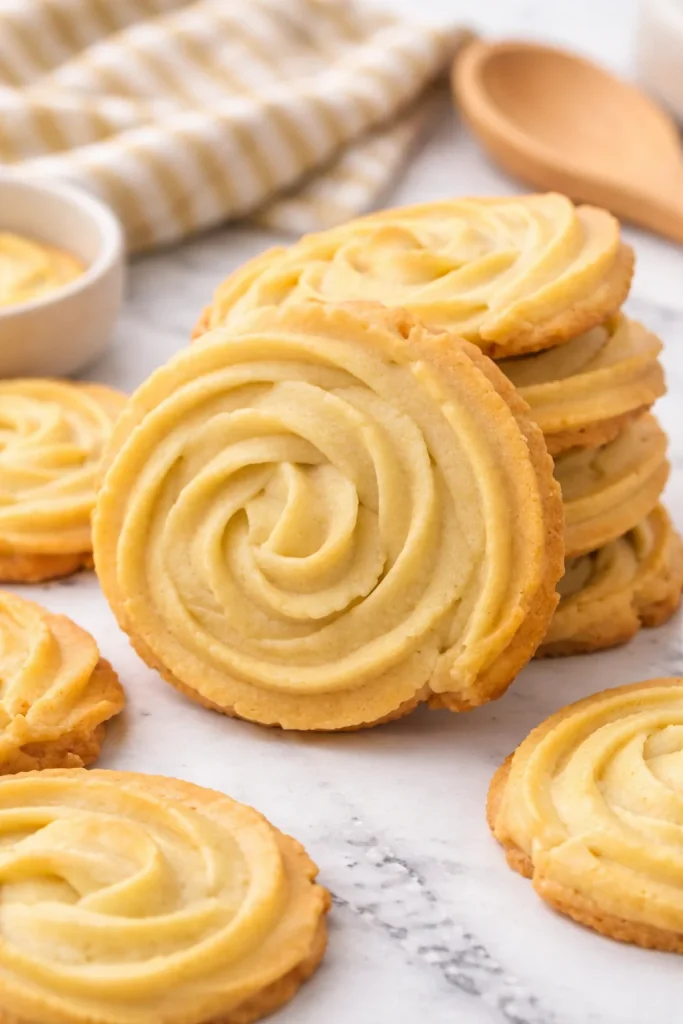
Melt in Your Mouth Butter Cookies
Ingredients
Method
- Preheat the oven to 350°F (175°C). Line a baking sheet with parchment paper or a silicone mat.
- In a mixing bowl, place the softened unsalted butter and powdered sugar. Use a hand mixer or stand mixer to beat until light and fluffy, about 2–3 minutes.
- Gradually add the all-purpose flour. Stir on low speed or fold with a spatula until the dough just comes together. Avoid overmixing.
- Scoop approximately one tablespoon of dough and roll it into a smooth ball. Place the balls 1½ inches apart on the prepared baking sheet.
- Bake for 12–15 minutes, or until the edges turn lightly golden while the centers remain pale.
- Remove from oven, let cookies rest on the baking sheet for 5 minutes, then transfer them to a wire rack to cool completely.