Chicken Lo Mein

 235
235
 18
18
 1.30k
1.30k

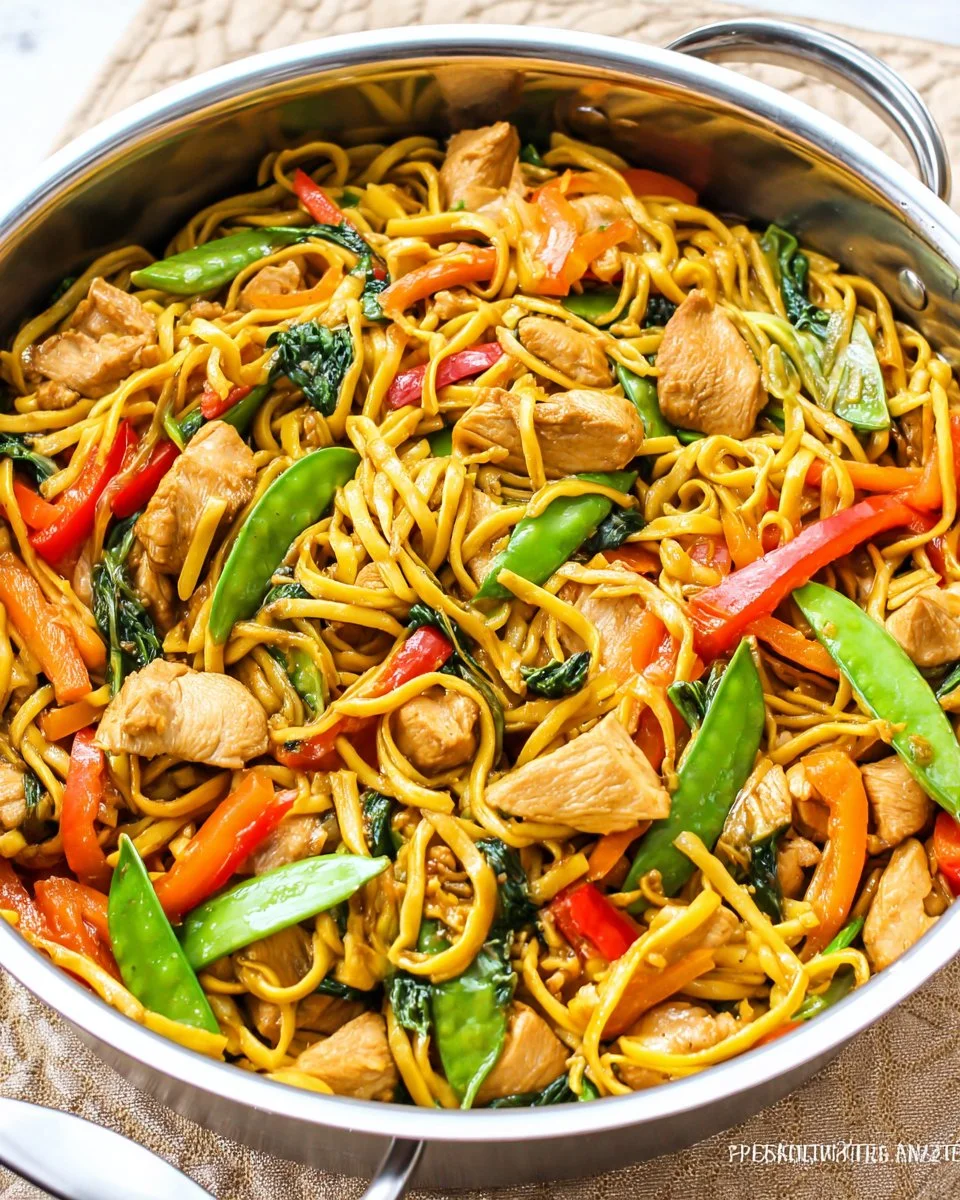
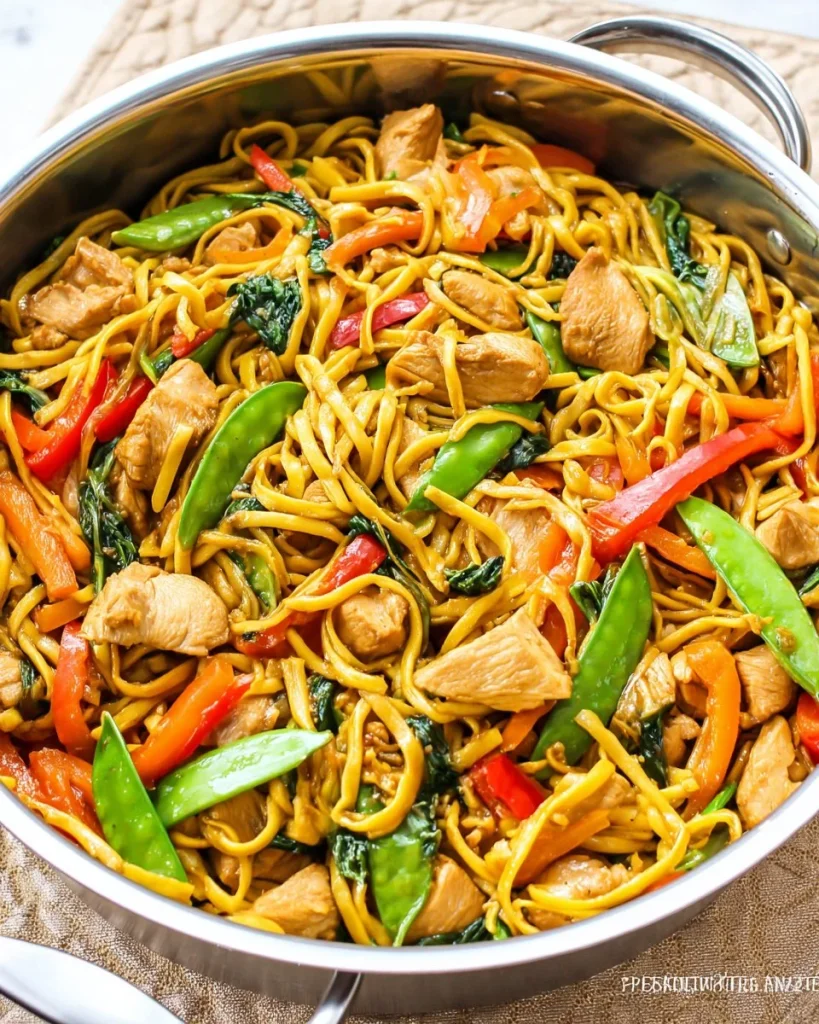
I fell in love with this Chicken Lo Mein the first time I tossed the glossy sauce with warm noodles in my wok — it hits that perfect balance of savory, slightly sweet, and bright from the vegetables. It’s a homemade takeout-style meal that’s fast enough for weeknights, flexible enough for pantry swaps, and reliably crowd-pleasing. If you want a simple, restaurant-style stir-fry without ordering in, this version delivers. For a slightly different spin I sometimes compare techniques with a quick homemade Chicken Lo Mein version I bookmarked for reference.
Why you’ll love this dish
This Chicken Lo Mein is worth making at home because it’s quick, uses everyday ingredients, and tastes like your favorite takeout but fresher. The sauce is bold (dark soy + oyster + hoisin) and thickened just enough with cornstarch to cling to each strand. You can swap in spaghetti if lo mein noodles aren’t available, and the recipe scales easily for meal prep or a hungry family.
“A decade of ordering lo mein taught me one thing: fresh ginger and a little sesame oil change everything. This recipe nails the takeout flavor at home.”
Quick reasons to make it:
- Weeknight-friendly: ready in about 30 minutes from start to finish.
- Budget-smart: chicken breast and pantry sauces keep costs down.
- Flexible: noodles, vegetables, and heat can be swapped to suit tastes.
- Kid-friendly but customizable: serve mild or add Sriracha for spice.
How this recipe comes together
Before you cook, know the flow: whisk the sauce, boil the noodles, sear the chicken, quickly stir-fry the aromatics and veggies, then toss everything with the sauce and thicken on high heat. The key is timing — have your sauce mixed and vegetables prepped so the final toss is fast and glossy.
- Prep sauce and veggies while the water for noodles comes to a boil.
- Cook noodles; drain and set aside.
- Sear chicken until just browned, remove.
- Stir-fry aromatics and vegetables briefly.
- Recombine chicken and noodles, pour sauce, toss and thicken at high heat.
- Finish with green onions and sesame oil.
What you’ll need
- 10 ounces dry lo mein noodles (or dry spaghetti as a substitute)
- 2 medium skinless, boneless chicken breasts — cut into 1" chunks
- 2 tablespoons neutral oil (vegetable, canola, or peanut)
- 1/2 cup snow peas or snap peas
- 1/3 cup matchstick carrot shreds
- 1 red bell pepper, thinly sliced
- 1/2 cup fresh spinach
- 2 1/2 cloves garlic, minced (about 2 large cloves + half of one)
- 1/2 teaspoon minced fresh ginger
- Salt and freshly ground black pepper, to taste
- 2 green onions, chopped for garnish
Sauce:
- 1/4 cup dark soy sauce (or regular soy if that’s what you have)
- 4 tablespoons oyster sauce
- 1 teaspoon hoisin sauce
- 2 1/2 teaspoons dark brown sugar (adjust to taste)
- 2 teaspoons toasted sesame oil
- 1 1/2 tablespoons cornstarch
- 1/2 cup chicken broth (or water)
- 1–2 teaspoons Sriracha, to taste
Notes and substitutions:
- No oyster sauce? Use an extra tablespoon of soy + 1/2 teaspoon fish sauce for umami.
- For vegetarian: swap chicken for firm tofu and use vegetable broth.
- If you like more veg, add sliced mushrooms, bok choy, or broccoli florets (blanch broccoli first).
You can compare ingredient proportions with another helpful guide to balance and technique in this other Chicken Lo Mein recipe.
Step-by-step instructions

- Whisk the sauce: In a large bowl, combine dark soy sauce, oyster sauce, hoisin, brown sugar, sesame oil, cornstarch, chicken broth, and Sriracha. Whisk until smooth. Set aside.
- Cook noodles: Bring a large pot of salted water to a boil. Cook lo mein noodles (or spaghetti) according to package until al dente. Drain and set aside — toss with a tiny drizzle of oil if you don’t plan to use immediately so they don’t clump.
- Sear the chicken: Heat 1 tablespoon oil in a large nonstick skillet or wok over medium-high heat. Season chicken pieces with salt and pepper. Add to hot pan and cook, stirring occasionally, until browned and cooked through, about 4–6 minutes. Remove chicken to a plate.
- Stir-fry aromatics and vegetables: Add remaining oil to the same pan. Lower heat slightly if the pan smokes. Add minced garlic and ginger; stir for about 45 seconds until fragrant. Add red pepper strips, carrot shreds, spinach, and snow peas. Stir-fry 1.5–2 minutes until vegetables are crisp-tender.
- Combine noodles and chicken: Add drained noodles and the cooked chicken back to the pan.
- Add sauce and toss: Pour the whisked sauce over everything. Use tongs or two spatulas to toss the noodles thoroughly, making sure every strand is coated.
- Thicken on high heat: Turn heat to high and keep tossing for about 1 minute to allow the sauce to bubble and thicken. If the sauce becomes too thick, add a splash of warm water or broth and toss again.
- Finish and serve: Remove from heat, sprinkle with chopped green onions, and serve immediately.
Chef’s note: Work quickly once the sauce hits the hot pan — the cornstarch thickens fast and you want glossy, not gloopy.
Best ways to enjoy it
- Serve straight from the wok for maximum gloss and heat.
- Plate with a wedge of lime or a scatter of toasted sesame seeds for brightness and crunch.
- Sides: simple cucumber salad, quick pickled daikon, or steamed dumplings pair nicely.
- Drinks: Jasmine tea, a crisp lager, or a citrusy white wine like Sauvignon Blanc complement the savory sauce.
Storage and reheating tips
- Refrigerate: Store leftovers in an airtight container for up to 3–4 days. Cool to room temperature before sealing.
- Reheat: Break up cold noodles with a fork, add a splash of water or broth, and reheat in a skillet over medium heat until warmed through. Microwave works in a pinch—cover and heat in 45–60 second bursts, stirring between intervals.
- Freeze: You can freeze portions, but texture may change. Cool completely, freeze in a freezer-safe container for up to 2 months. Thaw overnight in the fridge before reheating.
- Safety: Reheat to at least 165°F (74°C) and don’t refreeze previously thawed leftovers.
Pro chef tips
- High heat is your friend: Use a hot pan to sear chicken quickly for color without overcooking.
- Dry your chicken pieces: Pat the chicken dry before seasoning to encourage browning.
- Sauce balance: Taste the sauce before adding — adjust sweetness, salt, or heat so the final dish requires minimal tweaking.
- Cornstarch slurry: Ensure cornstarch is fully dissolved in cold liquid before adding to prevent lumps.
- Prevent clumping: Toss noodles with a teaspoon of oil after draining if they will sit while you cook other components.
For a creative crossover idea, try the noodle-and-pea balance I used when testing a beef-and-broccoli lo mein with green peas.
Creative twists
- Spicy sesame: Add 1 tablespoon chili crisp and garnish with toasted sesame seeds.
- Citrus bright: Finish with a teaspoon of rice vinegar and a squeeze of lime for brightness.
- Hoisin-glazed veggies: Double the hoisin and roast some vegetables separately for a sweeter glaze.
- Protein swaps: Use shrimp, thinly sliced steak, or tempeh.
- Low-carb: Replace noodles with spiralized zucchini or shirataki noodles; reduce sauce quantity slightly.
Your questions answered
Q: Can I use spaghetti instead of lo mein noodles?
A: Yes — dry spaghetti cooks similarly and works well. Break long strands if desired for easier tossing.
Q: How long does this take to make?
A: Active cooking time is about 20–25 minutes after prep. From start to finish, including boiling water and chopping, expect 30–40 minutes.
Q: What’s the best way to keep the sauce from getting gummy?
A: Make sure the cornstarch is well dissolved in cold liquid and don’t overcook at high heat; toss continuously and add small amounts of water if it thickens too fast.
Q: Can I prep this ahead?
A: Prep vegetables and whisk the sauce up to a day ahead. Cooked noodles and chicken are best made the same day for texture, though you can cook chicken ahead and reheat briefly before tossing.
Q: Is it safe to freeze leftovers?
A: Yes, but noodle texture can soften. Freeze in portioned containers and thaw in the fridge overnight before reheating.
Conclusion
If you want more reference versions and variations from established cooking sites, these guides are useful for technique and flavor comparison: Chicken Lo Mein: 30-Min Authentic Takeout Recipe! – The Woks of Life, Chicken Lo Mein – Homemade Takeout Style! – My Incredible Recipes, Authentic Chicken Lo Mein Recipe – Foodies Terminal, and Chicken Lo Mein (Restaurant Style) – Omnivore’s Cookbook. Enjoy making this easy, satisfying lo mein at home — it’s a reliable weeknight winner.
Chicken Lo Mein
Ingredients
Method
- Whisk the sauce: In a large bowl, combine dark soy sauce, oyster sauce, hoisin, brown sugar, sesame oil, cornstarch, chicken broth, and Sriracha. Whisk until smooth. Set aside.
- Cook noodles: Bring a large pot of salted water to a boil. Cook lo mein noodles (or spaghetti) according to package until al dente. Drain and set aside — toss with a tiny drizzle of oil if you don’t plan to use immediately so they don’t clump.
- Sear the chicken: Heat 1 tablespoon oil in a large nonstick skillet or wok over medium-high heat. Season chicken pieces with salt and pepper. Add to hot pan and cook, stirring occasionally, until browned and cooked through, about 4–6 minutes. Remove chicken to a plate.
- Stir-fry aromatics and vegetables: Add remaining oil to the same pan. Lower heat slightly if the pan smokes. Add minced garlic and ginger; stir for about 45 seconds until fragrant. Add red pepper strips, carrot shreds, spinach, and snow peas. Stir-fry for 1.5–2 minutes until vegetables are crisp-tender.
- Combine noodles and chicken: Add drained noodles and the cooked chicken back to the pan.
- Add sauce and toss: Pour the whisked sauce over everything. Use tongs or two spatulas to toss the noodles thoroughly, making sure every strand is coated.
- Thicken on high heat: Turn heat to high and keep tossing for about 1 minute to allow the sauce to bubble and thicken. If the sauce becomes too thick, add a splash of warm water or broth and toss again.
- Finish and serve: Remove from heat, sprinkle with chopped green onions, and serve immediately.