Chicken Chow Mein

 235
235
 18
18
 1.30k
1.30k

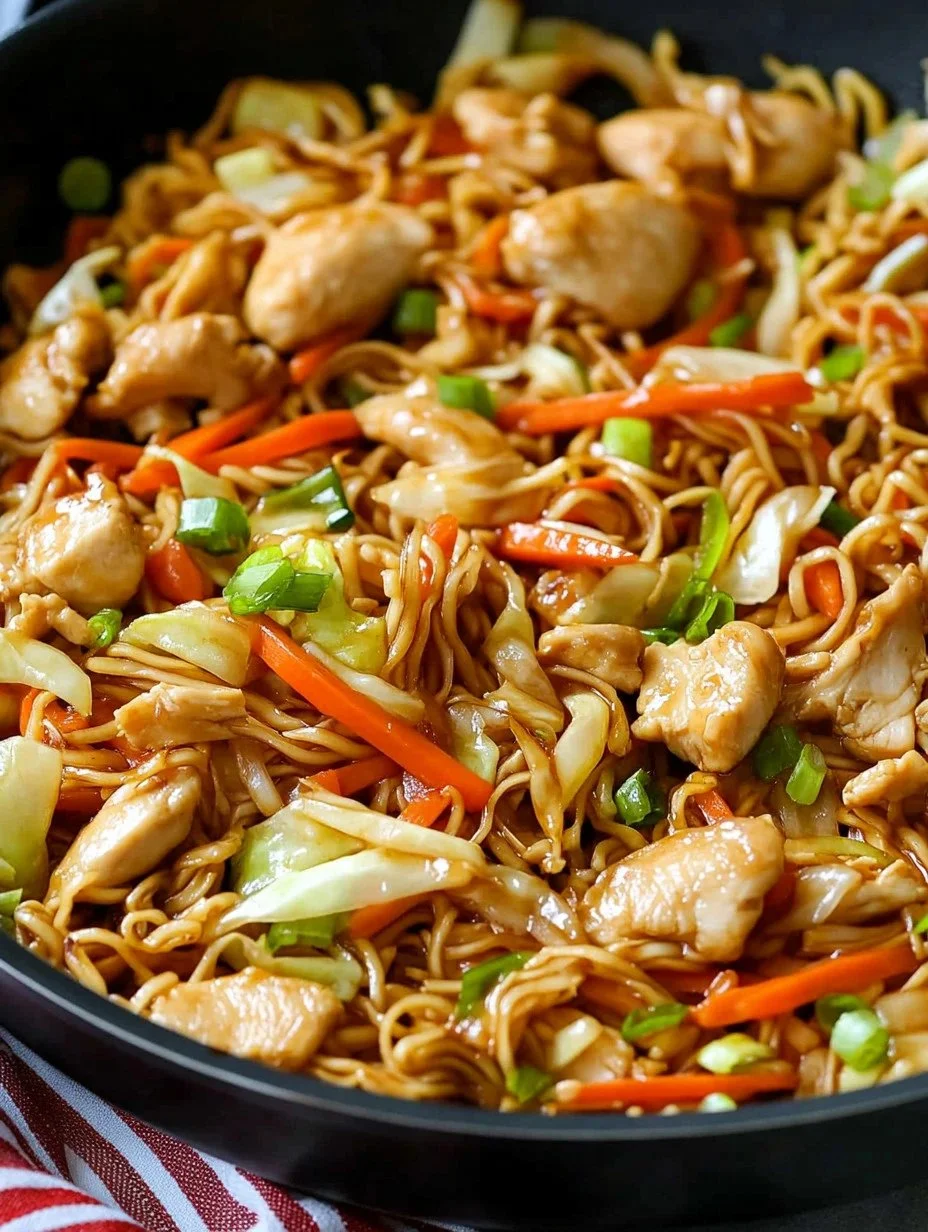
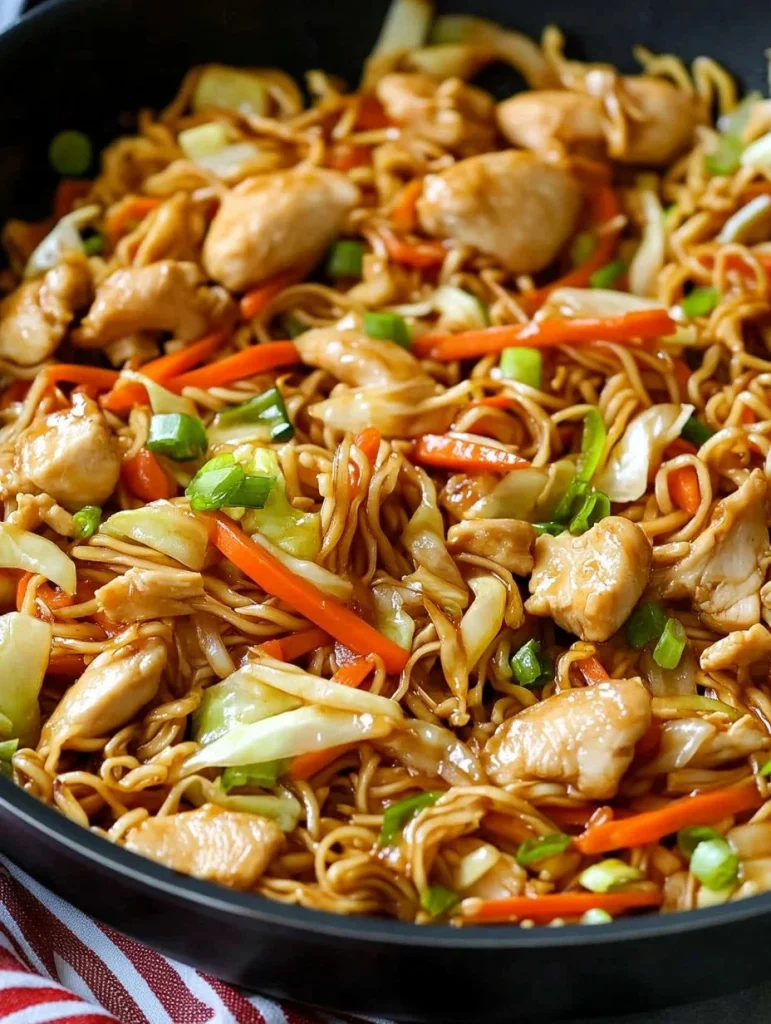
I’ve made this chicken chow mein on busy weeknights and for casual dinner guests — it’s fast, comforting, and hits that satisfying mix of tender chicken, crisp vegetables, and savory sauce. This version uses simple pantry staples and chow mein noodles so you can have a restaurant-style plate in about 25–30 minutes. If you want a quicker weeknight shortcut, check my slightly different take here: faster weeknight version.
Why cook this at home
This chicken chow mein is a great go-to for several reasons. It’s quick to pull together, budget-friendly (two chicken breasts feed a family), and flexible — you can change the vegetables or noodles depending on what’s in the fridge. It’s also approachable for cooks of all levels: straightforward stir‑frying, a short marinating moment for the chicken, and a basic sauce that’s ready in seconds.
“Family favorite — crispy noodles, juicy chicken, and just the right amount of sauce. Ready in 30 minutes and gone by dinnertime.” — home cook review
Why you’d choose this recipe: weeknight dinners, meal prep for lunches, or a crowd-pleasing potluck. It’s also child-friendly (reduce the ginger and garlic) and easy to scale up.
How this recipe comes together
Fast overview so you know what to expect:
- Cook the chow mein noodles until al dente and set aside.
- Season and slice the chicken thinly for quick, even cooking.
- Stir-fry shredded cabbage and julienned carrots briefly so they keep a little crunch.
- Toss everything with soy, oyster, and sesame oil to coat the noodles and chicken.
- Finish with green onions for freshness and serve immediately.
This roadmap keeps the cooking tight: noodles first (so they don’t overcook), chicken next, then vegetables, and a quick combine at the end.
Gather these items
What you’ll need (serves about 2–3):
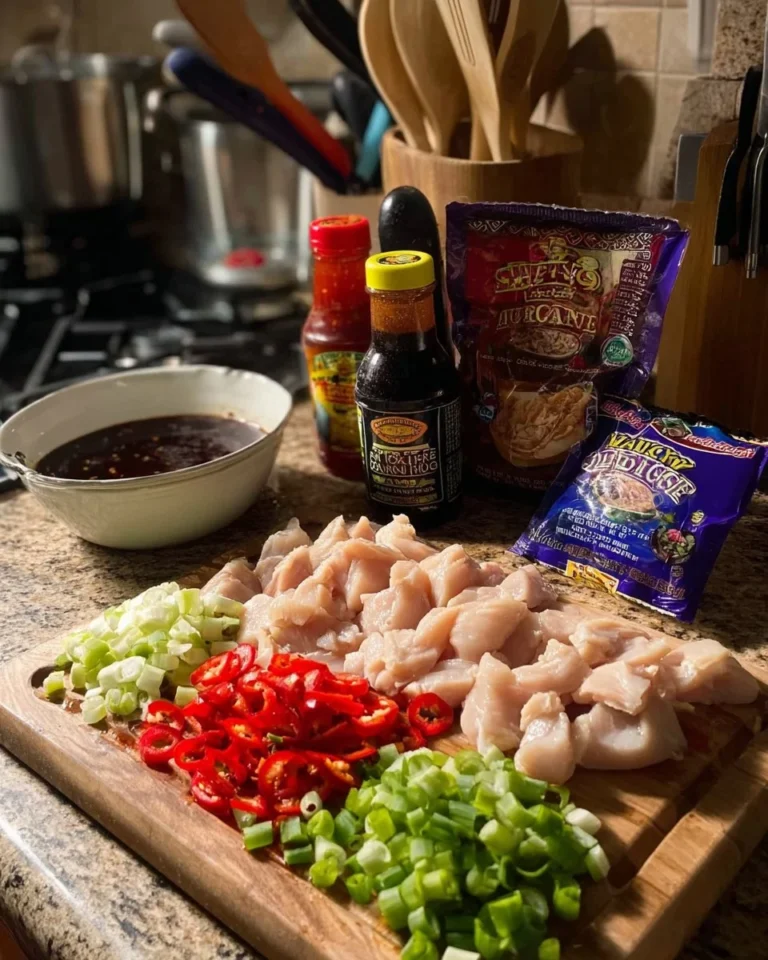
- 2 pieces boneless, skinless chicken breasts (about 1 to 1¼ lb total)
- 2 cups chow mein noodles (dried or fresh)
- 2 cups cabbage, shredded
- 1 cup carrots, julienned
- ½ cup green onions, sliced (for garnish)
- 2 tablespoons soy sauce
- 1 tablespoon oyster sauce
- 1 tablespoon sesame oil
- 1 tablespoon vegetable oil (for cooking)
- Minced garlic, to taste (optional)
- Minced ginger, to taste (optional)
Ingredient notes and substitutions:
- Noodles: use lo mein or thin egg noodles if chow mein noodles aren’t available — cooking times will vary slightly; for a crispier finish, briefly pan-fry cooked noodles in oil.
- Oyster sauce: swaps with hoisin + a splash of soy if you need a vegetarian option (but flavor will change).
- Chicken: thighs will give more fat and flavor; slice thin for rapid cooking.
For pantry-friendly swaps and alternate sauce ideas, see this helpful guide: pantry-friendly swaps.
Step-by-step instructions

Cooking the Noodles
- Bring a pot of salted water to a rolling boil. Add the chow mein noodles and cook until just al dente (follow package directions; usually 2–4 minutes for fresh, 5–7 for dried).
- Drain and rinse briefly under cold water to stop cooking. Toss with a tiny splash of sesame or vegetable oil to prevent sticking. Set aside.
Preparing and Slicing the Chicken
- Pat chicken breasts dry. Lightly season with salt and a little pepper.
- Slice chicken thinly across the grain into bite-sized strips — thinner pieces cook faster and stay tender.
Stir-Frying the Vegetables
- Heat the vegetable oil in a large skillet or wok over medium-high heat until shimmering.
- If using, add minced garlic and ginger and stir for 15–20 seconds until fragrant.
- Add carrots and stir-fry 1–2 minutes. Add shredded cabbage and continue to toss for another 2 minutes. You want vegetables softened but still with some crunch.
Cooking the Chicken
- Push vegetables to one side of the wok or remove and set aside. Add a little more oil if needed.
- Add the sliced chicken in a single layer and let it sear 1 minute undisturbed, then stir-fry until cooked through (2–3 minutes depending on thickness).
Combining Everything
- Return vegetables to the pan (if removed). Add the cooked noodles.
- Pour in soy sauce, oyster sauce, and sesame oil. Toss quickly to coat everything evenly and to heat the noodles through. Taste and adjust seasoning.
Final Touches
- Finish with sliced green onions.
- If you like a bit of tang, squeeze a faint splash of rice vinegar or lime juice over the top. For heat, add chili flakes or a drizzle of chili oil.
Serving
- Serve immediately while noodles and chicken are hot. For extra texture, sprinkle toasted sesame seeds.
Best ways to enjoy it
Serving suggestions:
- Plate on shallow bowls and garnish with extra green onions and sesame seeds.
- Pair with steamed or pan-fried dumplings for a fuller meal.
- Serve alongside a simple cucumber salad or quick pickles to cut through the richness.
- For a low-carb option, serve the stir-fry over a bed of steamed cauliflower rice.
Storage and reheating tips
Keeping leftovers fresh:
- Refrigerate in an airtight container within two hours of cooking. Consume within 3–4 days.
- Reheat gently in a non-stick skillet over medium heat with a splash of water or broth to refresh the noodles and prevent drying. Cover briefly to steam.
- Freezing: you can freeze cooked chow mein for up to 2 months, but vegetables may become softer on thawing. Thaw overnight in the fridge and reheat in a skillet.
Food safety note: always reheat to at least 165°F (74°C) before serving.
Pro chef tips
- Slice the chicken thin and across the grain to keep it tender.
- Don’t overload the pan — cook in batches if needed so everything gets quick, high-heat contact.
- Reserve a splash of the noodle cooking water; a tablespoon added during the final toss helps the sauce coat the noodles evenly.
- Use high heat for stir-frying and keep ingredients moving to avoid steaming.
- If you want a crisp noodle texture, shallow-fry the boiled noodles in oil for 1–2 minutes until golden and crisp before tossing with the rest.
If you’re experimenting with noodle types, this post explains useful noodle choices: different noodle choices.
Creative twists
- Protein swaps: substitute shrimp, tofu, or thinly sliced pork.
- Veg-forward: add bell peppers, snow peas, or baby corn.
- Sauce variations: add a teaspoon of hoisin for sweetness or a splash of mirin for depth.
- Spice it up: add Szechuan peppercorns or sambal oelek for an electrifying kick.
- Make it gluten-free: use tamari instead of soy and check oyster sauce ingredients or use a gluten-free mushroom-based substitute.
Your questions answered
Q: How long does this recipe take from start to finish?
A: Plan 25–30 minutes: 5–8 minutes prep (slice chicken and veg), 5–7 minutes to cook noodles, and 10–12 minutes to stir-fry and combine.
Q: Can I make this ahead and reheat?
A: Yes — refrigerate in an airtight container for up to 4 days. Reheat in a skillet with a splash of water or broth. Freezing is possible, though texture of vegetables may change.
Q: Is oyster sauce necessary?
A: Oyster sauce adds a savory umami backbone. If you need a substitute, use a mix of hoisin and a little soy, or a mushroom-based vegetarian oyster sauce for a similar depth.
Q: How can I keep noodles from getting soggy?
A: Rinse noodles in cold water after cooking, toss with a little oil, and avoid overcooking. Cook and combine on high heat to evaporate excess moisture quickly.
Q: Can I use leftover rotisserie chicken?
A: Absolutely — shred or slice it and add near the end just to warm through.
Conclusion
If you want more inspiration and slightly different takes, check a tested stovetop version at Natasha’s Kitchen’s chicken chow mein, a detailed step-by-step guide at RecipeTin Eats’ chow mein walkthrough, or another popular home-cook recipe at Cooking Classy’s chicken chow mein recipe. These resources are great for extra variations, plating photos, and alternate sauces to try next time.
Chicken Chow Mein
Ingredients
Method
- Bring a pot of salted water to a rolling boil.
- Add the chow mein noodles and cook until just al dente (follow package directions; usually 2–4 minutes for fresh, 5–7 for dried).
- Drain and rinse briefly under cold water to stop cooking. Toss with a tiny splash of sesame or vegetable oil to prevent sticking. Set aside.
- Pat chicken breasts dry. Lightly season with salt and a little pepper.
- Slice chicken thinly across the grain into bite-sized strips.
- Heat the vegetable oil in a large skillet or wok over medium-high heat until shimmering.
- If using, add minced garlic and ginger and stir for 15–20 seconds until fragrant.
- Add carrots and stir-fry for 1–2 minutes. Add shredded cabbage and continue to toss for another 2 minutes.
- Push vegetables to one side of the wok or remove and set aside. Add a little more oil if needed.
- Add the sliced chicken in a single layer and let it sear for 1 minute undisturbed, then stir-fry until cooked through (2–3 minutes depending on thickness).
- Return vegetables to the pan (if removed). Add the cooked noodles.
- Pour in soy sauce, oyster sauce, and sesame oil. Toss quickly to coat everything evenly and to heat the noodles through.
- Finish with sliced green onions.
- For extra flavor, squeeze a splash of rice vinegar or lime juice over the top.
- Serve immediately while noodles and chicken are hot, garnished with extra green onions and sesame seeds.