Bread in a Bag

 235
235
 18
18
 1.30k
1.30k

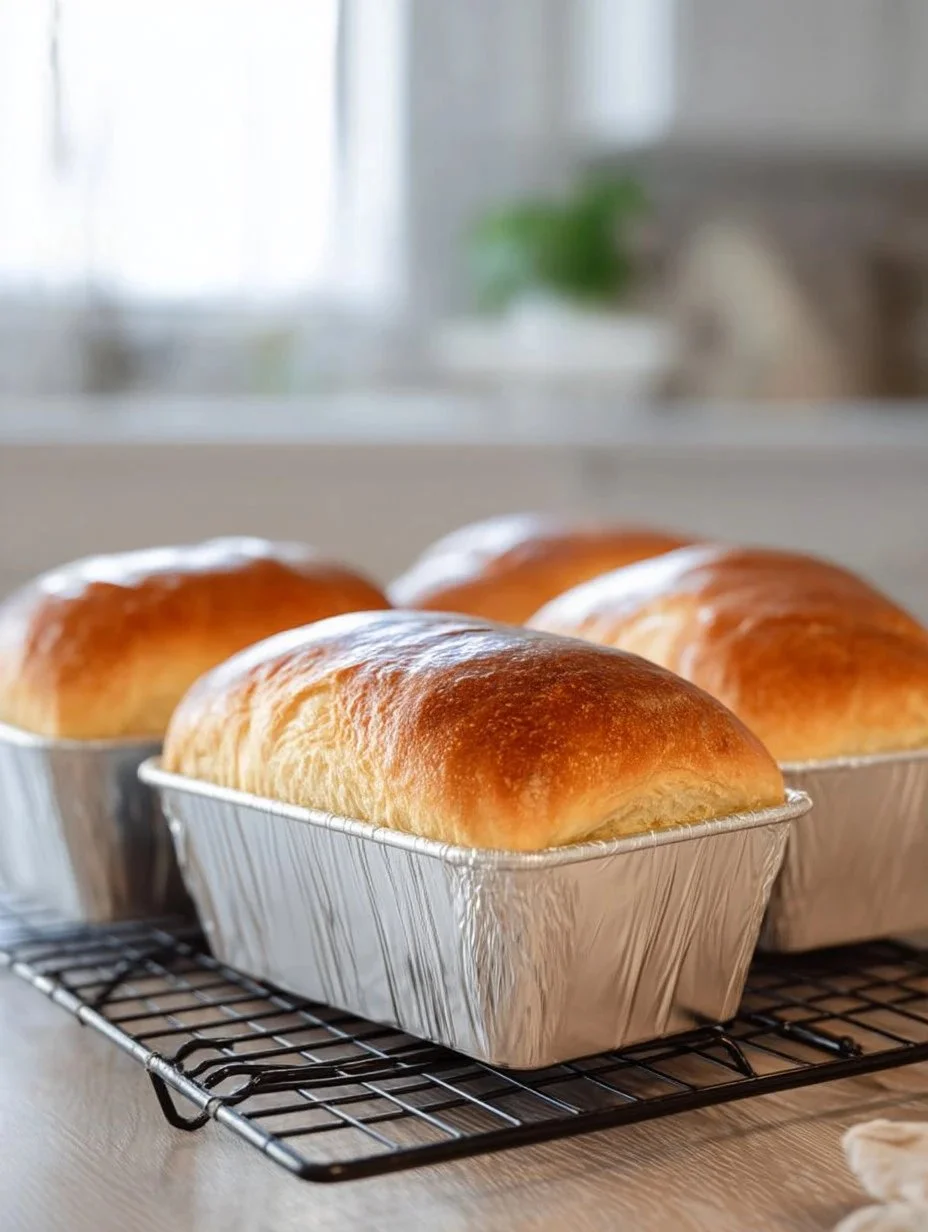
I remember the first time I taught my niece to make bread in a bag — she giggled while squishing the dough through the plastic, and we ended up with a warm, crusty loaf in under two hours. Bread in a Bag is a simple, hands-on way to make a basic yeast loaf using just a resealable bag and a loaf pan. It’s perfect when you want a kid-friendly activity, a budget-friendly homemade loaf, or a quick baking win without the mess of multiple bowls. If you like serving bread with soups, it pairs beautifully with lighter bowls like the cabbage soup I often make for chilly nights: a cozy cabbage soup recipe.
What makes this recipe special
This method turns the usually messy kneading step into a fun, contained activity — especially great for little helpers or small kitchens. It uses common pantry staples, requires minimal hands-on time, and produces a loaf with a crisp crust and soft crumb. Make it for weeknight dinners, a weekend brunch, or a classroom food project.
“We made this together and my kids were so proud — simple, forgiving, and delicious.” — a quick fan review
Step-by-step overview
Before you gather ingredients, here’s how the process flows so you know what to expect:
- Combine dry ingredients in a large resealable plastic bag.
- Add warm water, oil, and gently mix inside the bag until a shaggy dough forms.
- Let the dough rise in the bag until doubled.
- Transfer to a greased loaf pan, allow a short second rise, then bake until golden.
- Cool slightly, slice, and enjoy.
This approach keeps cleanup minimal and gives a clear timeline: about 5–10 minutes active prep, 1–1.5 hours total rising time, and 25–30 minutes baking.
What you’ll need
- 3 cups all-purpose flour (swap in whole wheat or rye for a nuttier flavor; if using whole wheat, try 2 cups all-purpose + 1 cup whole wheat for lighter texture)
- 1 packet active dry yeast (2 1/4 tsp) — make sure yeast is fresh and not expired
- 1 cup warm water (about 110°F / 43°C)
- 2 tablespoons sugar (feeds the yeast and helps browning)
- 1 teaspoon salt (enhances flavor)
- 2 tablespoons olive oil (or another neutral oil like canola)
Notes: If you want a softer crust, brush the loaf with melted butter right after baking. For a dairy-free version, keep using oil instead of butter.
Step-by-step instructions

Preparation
- Warm the water to about 110°F (feel comfortably warm, not hot).
- In a large resealable bag, add flour, yeast, sugar, and salt. Seal and shake to combine dry ingredients.
- Open the bag, pour in warm water and olive oil. Reseal.
- Mix and knead the dough inside the bag by pressing and squishing for about 2–3 minutes until the dough comes together into a smooth ball. If too sticky, add a tablespoon of flour at a time.
- Leave the dough in the sealed bag and place it in a warm spot (like an oven with the light on) to rise for 45–60 minutes, or until doubled in size.
Baking
6. Preheat oven to 375°F (190°C). Grease a 9×5-inch loaf pan.
7. Gently deflate the dough inside the bag, open it, and transfer to the prepared pan. Shape lightly to fit.
8. Let the dough rest in the pan for 20–30 minutes for a short second rise.
9. Bake at 375°F (190°C) for 25–30 minutes, until the top is golden and the loaf sounds hollow when tapped. For accuracy, the internal temperature should be 190–200°F (88–93°C).
10. Remove from oven, cool on a rack for at least 15–20 minutes, then slice.
Yield: One standard loaf. Total time: about 1 hour 45 minutes (most time is passive rising).
Best ways to enjoy it
- Slice thick for dunking into soups or stews, or serve thin for sandwiches.
- For breakfast, toast and top with butter, jam, or mashed avocado.
- Turn leftover slices into croutons: cube, toss with oil and herbs, and bake until crispy.
- For a casual family meal, serve alongside salads or a bowl of stew — this loaf is neutral enough to pair with spiced or saucy mains.
Storage and reheating tips
- At room temperature: keep the loaf in a paper bag or wrapped in a clean tea towel for up to 2 days to preserve crustiness.
- To keep longer: slice and freeze in an airtight bag for up to 3 months. Toast or thaw slices as needed.
- Reheating: refresh slices in a 350°F (175°C) oven for 5–8 minutes, or use a toaster for single slices. Avoid refrigerating whole loaves (it speeds staling).
- Food safety: once sliced, consume within 3–4 days if stored in the fridge; always discard if you notice mold.
Helpful cooking tips
- Water temperature matters: too hot kills yeast; too cool slows fermentation. Aim for about 110°F (43°C).
- Use fresh yeast: if your yeast doesn’t foam with sugar and warm water in 5–10 minutes, it may be dead — start over.
- Don’t over-knead: the bag method prevents overworking. Knead just until smooth and elastic.
- Warm rise spot: an oven with the light on or a warm windowsill works well for consistent rises.
- If you want a crustier top, place a small oven-safe pan of water on the rack beneath the loaf while baking to create steam.
- For pairing ideas beyond soups, try bread with stir-fries or hearty salads — it’s great alongside something like a quick Chinese chicken cabbage stir fry.
Creative twists
- Garlic-herb loaf: fold in 1–2 teaspoons of dried Italian seasoning and 1 minced garlic clove into the dough.
- Seeded top: brush the loaf with water or egg wash and sprinkle sesame, poppy, or sunflower seeds before baking.
- Sweet variation: replace 1 tablespoon sugar with honey and stir in 1/4 cup raisins for a breakfast loaf.
- Gluten-free approach: this exact method won’t translate directly — use a tested gluten-free flour blend and a binder like xanthan gum as per your blend’s instructions.
Common questions
Q: How long does the dough need to rise?
A: Expect the first rise to take 45–60 minutes in a warm spot. If your kitchen is cool, it may take longer; dough is ready when it roughly doubles in size.
Q: Can I skip the second rise and bake immediately?
A: You can, but the loaf will be denser. A short second rise (20–30 minutes) gives a lighter crumb.
Q: What if my loaf is gummy inside after baking?
A: That usually means it needs more baking time. Check the internal temperature (should reach 190–200°F / 88–93°C) or tent with foil and bake for another 5–10 minutes.
Q: Is this safe for kids to help with?
A: Yes — that’s one of the recipe’s strengths. Have children mix and knead inside the sealed bag; just supervise oven use and hot surfaces.
Q: Can I make rolls instead of a loaf?
A: Yes. After the first rise, divide the dough into equal pieces, shape into rolls, place on a baking sheet, let rise briefly, and bake 12–18 minutes depending on size.
Conclusion
If you want a low-fuss loaf that’s easy to make with kids or in a small kitchen, this bread-in-a-bag method delivers warm, homemade bread with minimal cleanup. For a similar hands-on tutorial and kid-friendly variations, see Bread in a Bag Recipe – Leigh-Anne Wilkes. If you’re looking for versions crafted especially for toddlers and classroom activities, check out the step-by-step family-friendly guide at Bread in a Bag: The Easiest Kid-Friendly Bread Recipe – Busy Toddler. For more examples of little hands making big food, this roundup of toddler-made bread projects is inspiring: Bread in a Bag – Toddler Test Kitchen.
Happy baking — and don’t forget to save a slice for a cozy bowl of soup. For another simple soup pairing, try the lighter cabbage soup linked earlier in this post: a second cabbage soup option.
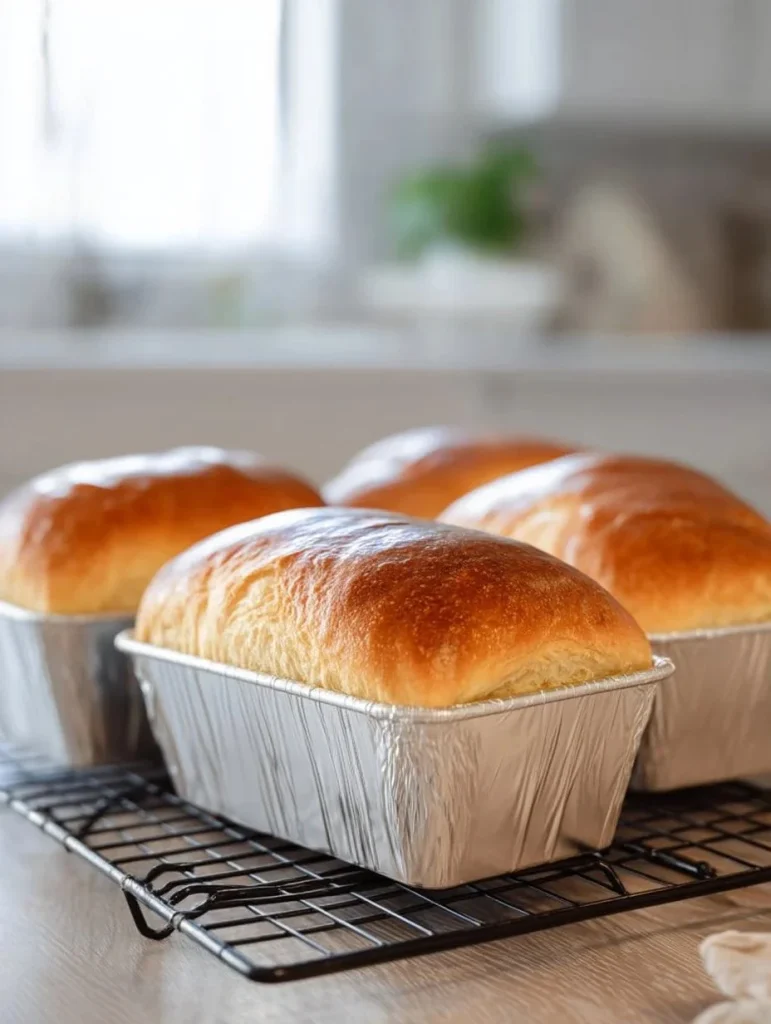
Bread in a Bag
Ingredients
Method
- Warm the water to about 110°F (feel comfortably warm, not hot).
- In a large resealable bag, add flour, yeast, sugar, and salt. Seal and shake to combine dry ingredients.
- Open the bag, pour in warm water and olive oil. Reseal.
- Mix and knead the dough inside the bag by pressing and squishing for about 2–3 minutes until the dough comes together into a smooth ball.
- Leave the dough in the sealed bag and place it in a warm spot to rise for 45–60 minutes, or until doubled in size.
- Preheat oven to 375°F (190°C). Grease a 9×5-inch loaf pan.
- Gently deflate the dough inside the bag, open it, and transfer to the prepared pan. Shape lightly to fit.
- Let the dough rest in the pan for 20–30 minutes for a short second rise.
- Bake at 375°F (190°C) for 25–30 minutes, until the top is golden and the loaf sounds hollow when tapped.
- Remove from oven, cool on a rack for at least 15–20 minutes, then slice.