Bucket Pickles

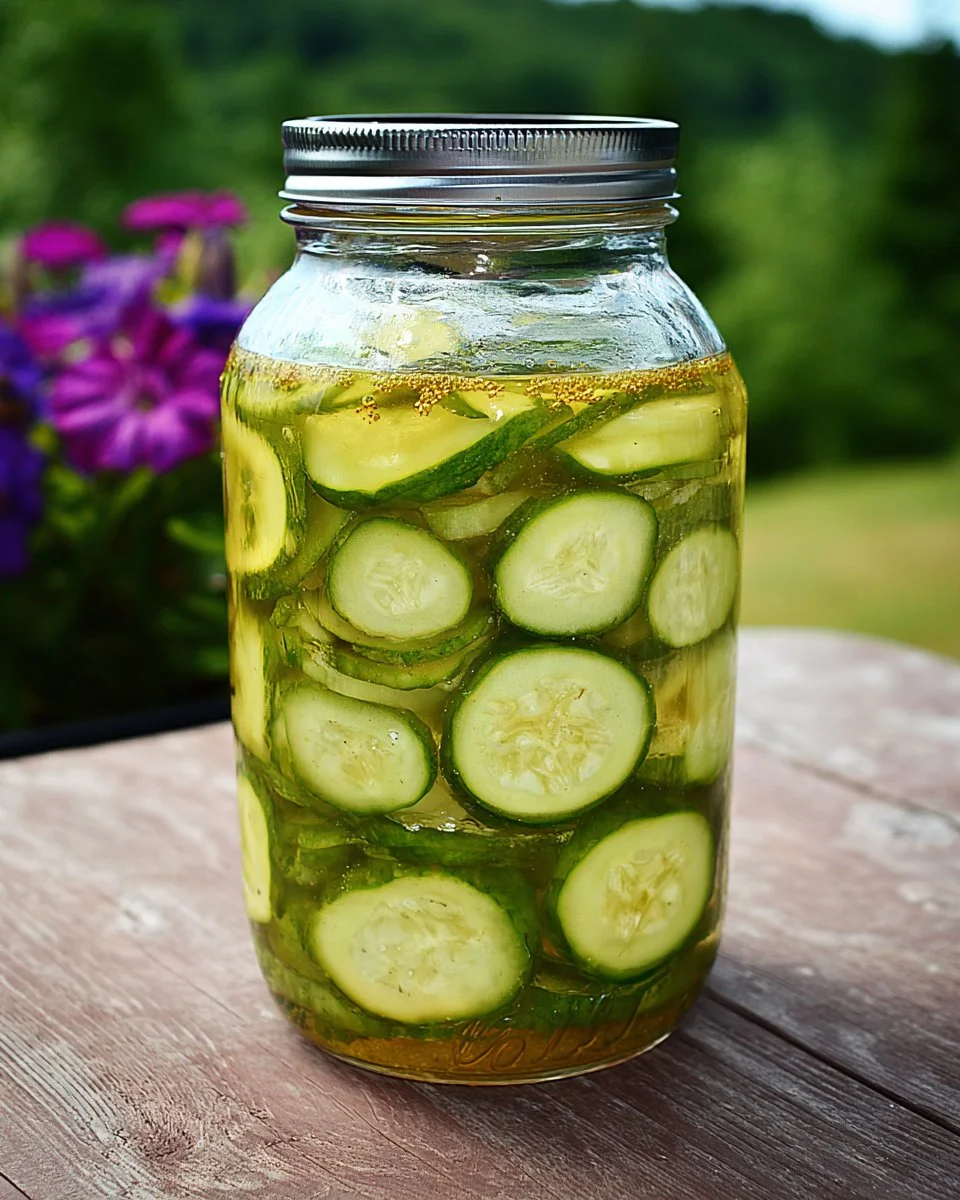
I’ve been making bucket pickles every summer for years — they’re an easy, sweet-and-tangy fridge pickle that stretches a small harvest (or a grocery-store run) into lunches and snack trays for weeks. This simple brine makes crisp, snappy slices of baby or Egyptian cucumber sing alongside sweet onion; slice, soak, and wait a little patience for the best flavor.
Why you’ll love this dish
These bucket pickles are a quick way to get classic sweet pickles without special equipment. They’re perfect when cucumbers are abundant, for picnic sides, sandwich crunch, or to brighten a burger. The recipe scales easily: use mason jars for small gifts, or an ice-cream pail when you want jars’ worth of pickles in one go.
If you like pairing crunchy condiments with mains, try them alongside a savory dish like chicken chow mein — the sweet pickles cut through the umami and add a fun texture contrast.

"Briny, sweet, and perfectly crunchy — these bucket pickles became a family staple. Simple to make and endlessly tweakable." — a happy home cook
How this recipe comes together
Start by slicing cucumbers and onions so they soak evenly. Heat a simple brine of water, vinegar, and sugar until the sugar dissolves. Season with pickling salt, mustard and celery seeds, then pour the hot brine over the vegetables. Chill and wait: 1 week gives mild flavor, 2–3 weeks yields a deeper, more classic pickle. No canning required — keep them refrigerated for ready-to-eat pickles.
What you’ll need
12–15 baby cucumbers (or Egyptian cucumbers) — small and crisp work best
1–2 sweet onions, such as Vidalia or Walla Walla, thinly sliced
2 cups water
2 cups vinegar (white distilled or apple cider vinegar both work)
1 teaspoon pickling salt (regular table salt will work, but avoid iodized salt)
1 teaspoon mustard seed
1 teaspoon celery seed
1 1/4 cups sugar
Notes and substitutions:
- Use 3–4-inch baby cucumbers or thinly sliced English cucumbers if Egyptian aren’t available.
- For a brighter tang, use part apple cider vinegar; for classic bite, use white vinegar.
- Reduce sugar to 1 cup if you prefer less sweet pickles.
- If you want a complementary hearty dish on the table, these are great with an instant-pot beef stew for contrast.
Step-by-step instructions

- Wash cucumbers and peel onions if you like. Slice cucumbers into 1/4-inch rounds and slice onions thinly.
- Pack the cucumber and onion slices into a clean bucket, ice-cream pail, or several mason jars. Leave a little headspace.
- Pour 2 cups water into a saucepan and bring to a boil.
- Carefully add 2 cups vinegar and 1 1/4 cups sugar to the hot water. Stir until the sugar fully dissolves.
- Remove from heat and stir in 1 teaspoon pickling salt, 1 teaspoon mustard seed, and 1 teaspoon celery seed. Taste and adjust sugar or salt if needed.
- Pour the hot brine over the packed cucumbers and onions, ensuring everything is fully submerged. Use a clean weight or small plate if needed to keep slices under the brine.
- Cover loosely and transfer to the refrigerator. Let the pickles develop for 1–3 weeks. Expect a mild flavor at one week and a stronger, deeper pickle by three weeks.
Step-by-step instructions
(Repeat section title intentionally different for scanners)
Follow the above steps for a consistent result. Key points: use a hot brine so sugar dissolves and flavor infuses; keep vegetables submerged; and chill immediately to keep them as fridge pickles rather than fermented or shelf-stable.
Best ways to enjoy it
Serve these sweet pickles sliced on sandwiches, burgers, or alongside fried chicken for a classic pairing. They’re also great chopped into potato or pasta salads for a sweet-tart lift, or arranged on a relish tray with cheeses and cured meats. If you’re packing a picnic, place a jar beside a loaf and some sharp cheese for an instant snack board. For a sweet finish after a savory meal, balance a slice of warm banana bread and pickles for an old-fashioned palate cleaner.
Storage and reheating tips
These are refrigerator pickles, not shelf-stable canned goods. Keep them sealed in the fridge. Properly refrigerated, they stay crisp and tasty for about 6–8 weeks; flavor will continue to develop but texture may soften over time. Do not freeze — freezing ruins the cucumber texture. If you want shelf stability, you must follow a tested canning recipe and process in a hot-water bath; do not assume this brine is safe for room-temperature storage.
Pro chef tips
- Slice uniformly. Even 1/8–1/4 inch thickness keeps texture consistent and speeds brine penetration.
- Chill jars first for glass — that minimizes temperature shock when pouring hot brine.
- Warm the mustard and celery seeds in a dry pan for 30–60 seconds before adding to the brine to wake up their aromatics (optional).
- If you want extra crunch, add a few grape leaves or a bit of tannin-rich black tea to the jar — they help keep cucumbers crisp.
- Label jars with date made. That makes it easy to track when they’ll be ready and when to eat them by.
Creative twists
- Dill and garlic: add a few garlic cloves and a sprig of fresh dill per jar for a dill-sweet hybrid.
- Spicy kick: toss in sliced jalapeños or 1/2 tsp red pepper flakes per jar.
- Low-sugar: cut sugar to 1 cup and boost with a tablespoon of honey or leave lower for a tarter profile.
- Pickled chips: slice cucumbers thicker for dippable chips rather than sandwich slices.
- Fermented version: omit the vinegar and ferment in a salt brine if you want probiotic pickles — follow a tested fermentation guide to ensure safety.
Your questions answered
Q: How long before I can eat them?
A: You can eat them after about one week, though two to three weeks gives a fuller, more developed flavor.
Q: Can I use regular cucumbers?
A: Yes, but pick cucumbers known as pickling or Persian/baby cucumbers for the best crunch and fewer seeds. English cucumbers are fine sliced thin.
Q: Can I can these to store on the shelf?
A: Not with this exact fridge-pickle method. To make shelf-stable jars, use a tested water-bath canning recipe and follow USDA or reputable canning resources for safety.
Q: Do I need to sterilize jars?
A: For refrigerator pickles, clean jars are sufficient. If you plan to can them for long-term shelf storage, sterilize jars and process them properly.
Q: What if my pickles get soft?
A: Softer pickles often come from overripe cucumbers, too-long storage, or high temperatures. Fresh, firm cucumbers and chilling quickly help maintain crunch.
Conclusion
If you want a quick primer on the traditional bucket-style approach, see the detailed write-up at the original bucket pickles recipe at The Salty Pot. For a fermented alternative that focuses on lacto-fermentation rather than vinegar, check the fermented pickle guide at The Prairie Homestead. And if you prefer a simple fridge-dill recipe for quick turnaround, this fridge dill pickles recipe on Smitten Kitchen is an excellent reference.
Happy pickling — this is one of those small kitchen projects that rewards patience with big flavor.
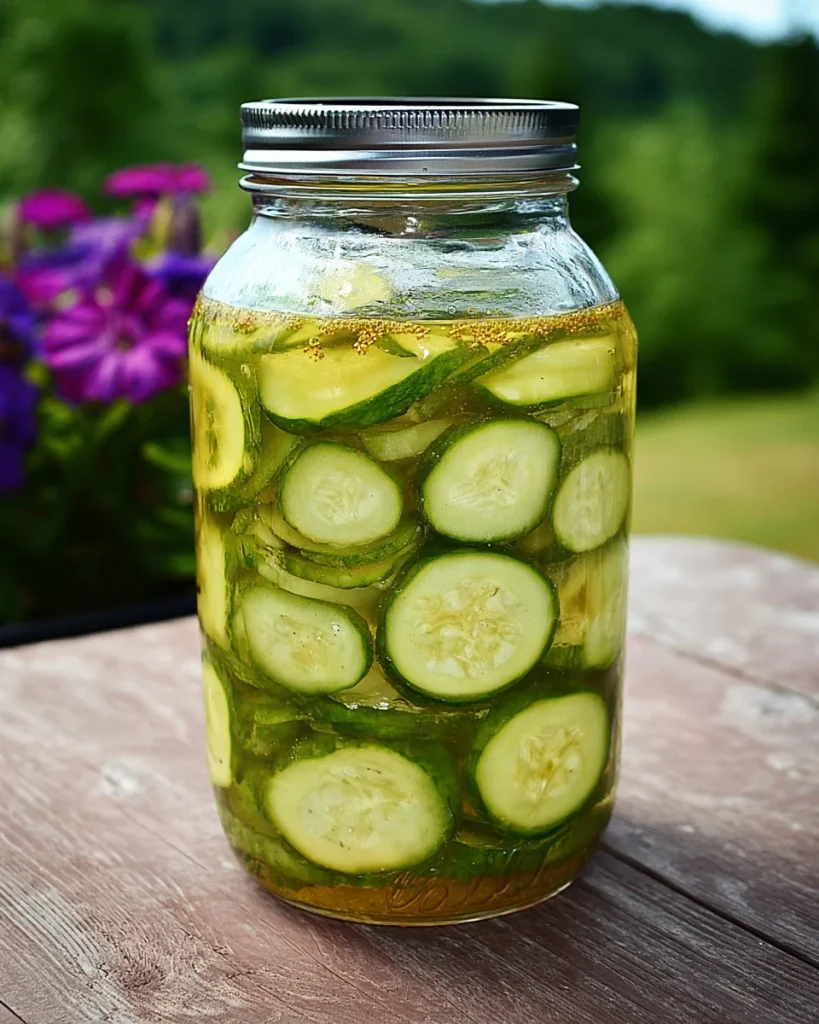
Bucket Pickles
Ingredients
Method
- Wash cucumbers and peel onions if desired. Slice cucumbers into 1/4-inch rounds and thinly slice the onions.
- Pack cucumber and onion slices into a clean bucket, ice-cream pail, or mason jars, leaving a little headspace.
- Pour 2 cups of water into a saucepan and bring to a boil.
- Carefully add 2 cups of vinegar and 1 1/4 cups of sugar to the hot water, stirring until the sugar fully dissolves.
- Remove from heat and stir in 1 teaspoon of pickling salt, 1 teaspoon of mustard seed, and 1 teaspoon of celery seed. Adjust sugar or salt to taste if needed.
- Pour the hot brine over the packed cucumbers and onions, ensuring everything is fully submerged. Use a clean weight if needed.
- Cover loosely and transfer to the refrigerator. Let the pickles develop in flavor over 1–3 weeks, checking for flavor development.