Soft Chewy Oatmeal Scotches

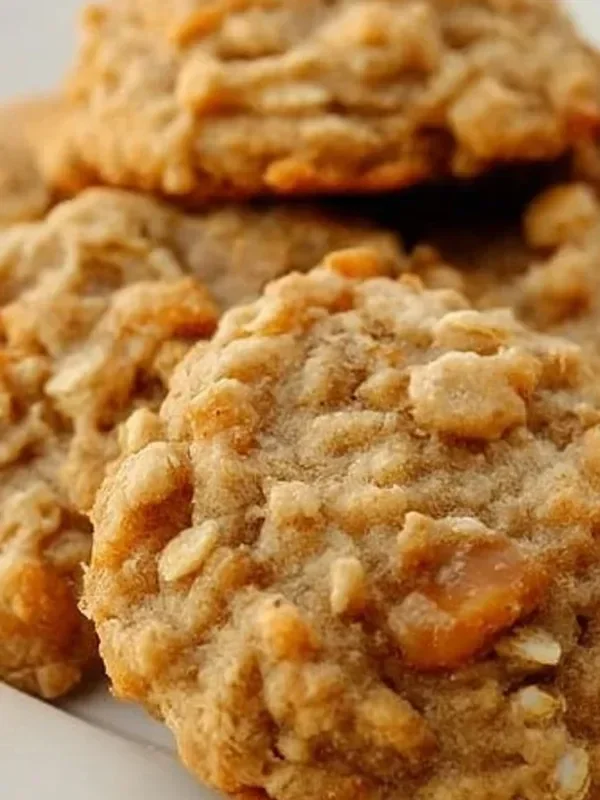
I’ve made these Soft Chewy Oatmeal Scotches for school bake sales, weekday cookie cravings, and a few late-night butterscotch emergencies. They’re oatmeal-forward, tender in the middle, and studded with butterscotch chips for a buttery caramel hit that keeps people coming back for “just one more.” If you already love soft cookies, these sit nicely beside other classics like soft and chewy ginger snaps on the roster.
Why you’ll love this dish
These cookies strike a satisfying balance: oatmeal gives body and chew, brown sugar adds moistness and depth, and butterscotch chips add a warm, buttery sweetness that’s different from plain chocolate chips. They’re quick to make, forgiving for new bakers, and kid-approved—perfect for lunchboxes, cookie swaps, or a cozy night in.
"These melt-in-your-mouth oatmeal scotches were gone before dinner—soft, chewy, and that butterscotch made them feel a little fancy." — a friend after my first batch
Why make these at home rather than buying store-bought? Home baking lets you control the texture (chewy vs. cakey), avoid preservatives, and tweak flavors—add toasted nuts, swap chips, or increase oats for a heartier bite.

Step-by-step overview
Before you dive into the ingredients, here’s the quick process so you know what to expect:
- Cream butter and sugars until light and smooth.
- Incorporate eggs and vanilla for structure and flavor.
- Fold in dry ingredients, then stir in oats and butterscotch chips.
- Drop rounded tablespoons of dough onto a baking sheet and bake 10–12 minutes.
- Cool briefly on the sheet so edges set, then transfer to racks to finish cooling.
This recipe is straightforward: mixing, folding, scooping, and baking. No chilling required unless you want thicker cookies.
What you’ll need
- 1 cup unsalted butter, softened (room temperature)
- 1 cup packed brown sugar
- 1 cup granulated sugar
- 2 large eggs
- 1 teaspoon vanilla extract
- 2 cups all-purpose flour
- 1 teaspoon baking soda
- 1/2 teaspoon salt
- 3 cups rolled oats (old‑fashioned rolled oats recommended for texture; quick oats will make them softer)
- 1 cup butterscotch chips
Substitutions and notes:
- For a dairy-free version, use a vegan stick butter and replace eggs with 2 flax eggs (2 tbsp ground flax + 6 tbsp water); texture will be slightly different.
- If you want chocolate instead of butterscotch, swap in semi-sweet chocolate chips.
- To make them gluten-free, use a 1:1 gluten-free flour blend designed for baking.
If you enjoy other soft cookie textures, you might also like these soft and chewy snickerdoodle cookies.
Step-by-step instructions

- Preheat the oven to 350°F (175°C). Line baking sheets with parchment paper or a silicone mat.
- In a large bowl, cream the softened butter with the brown sugar and granulated sugar until smooth and slightly fluffy. Use a hand mixer or stand mixer on medium speed for about 2–3 minutes.
- Add the eggs one at a time, mixing well after each addition. Stir in the vanilla extract.
- In a separate bowl, whisk together the all-purpose flour, baking soda, and salt. Gradually add the dry mixture to the creamed butter-sugar mixture and mix until combined.
- Fold in the rolled oats and butterscotch chips with a spatula until evenly distributed. The dough will be thick and a bit sticky.
- Drop rounded tablespoons of dough (or use a small cookie scoop) about 2 inches apart on the prepared baking sheets.
- Bake for 10–12 minutes, until the edges are set and lightly golden. The centers will look slightly underbaked—that’s okay and helps keep them chewy.
- Let the cookies cool on the baking sheets for 3–5 minutes, then transfer to wire racks to cool completely.
Tip: For uniform cookies, weigh the dough or use a scoop. Expect about 36–48 cookies depending on size.
Best ways to enjoy it
These cookies are versatile:
- Fresh out of the oven with a cold glass of milk or a steaming mug of coffee or tea.
- Split and filled with a scoop of vanilla ice cream for a quick cookie ice cream sandwich.
- Crumble over plain yogurt with honey for a decadent breakfast twist.
- Plate them on a holiday cookie tray alongside shortbread and chocolate-dipped biscotti.
For a cozy presentation, warm one briefly (8–10 seconds in the microwave) and serve with a small ramekin of caramel for dipping.
Storage and reheating tips
- Room temperature: Store cooled cookies in an airtight container at room temperature for 3–5 days. Place a slice of bread in the container to help retain moisture for the first day or two.
- Freezing: Freeze baked cookies in a single layer on a baking sheet, then transfer to a freezer bag for up to 3 months. Thaw at room temperature or warm for a few seconds in the microwave.
- Freezing dough: Scoop dough onto a tray, freeze until firm, then store scoops in a zip-top bag. Bake from frozen—add 1–2 minutes to the bake time.
- Reheating: Reheat in a 300°F (150°C) oven for 4–6 minutes to revive chewiness, or microwave one cookie 8–12 seconds for immediate enjoyment.
Food safety: Always cool cookies completely before storing to prevent condensation and potential mold growth.
Pro chef tips
- Don’t overbake. Pull the cookies when edges are set and centers still look soft—carryover heat will finish them on the pan.
- Use old-fashioned rolled oats for the best chew and structure. Quick oats will give you a finer, less toothsome texture.
- Room-temperature butter and eggs incorporate better, which helps with uniform rise and texture.
- If you like thicker cookies, chill the dough 20–30 minutes before scooping or make slightly larger dough mounds.
- For an even texture, gently toast the oats in a dry skillet for 3–4 minutes until fragrant before adding to the dough. This deepens flavor without adding fat.
Looking for a bigger oat dessert? Try using similar flavors in a cake—see this oat option for inspiration: 12-slice oatmeal ginger cake.
Creative twists
- Chocolate-Butterscotch: Half-and-half butterscotch and semi-sweet chocolate chips for contrast.
- Nutty Boost: Stir in 1/2 cup chopped pecans or walnuts for crunch. Toast them first for extra flavor.
- Chewy Maple-Oat: Replace 1/4 cup brown sugar with 1/4 cup pure maple syrup and reduce the granulated sugar by 2 tbsp for a maple note.
- Spiced Scotches: Add 1/2 teaspoon ground cinnamon and 1/8 teaspoon nutmeg for a warm, spiced cookie.
- Gluten-free or vegan: Use a high-quality 1:1 GF flour and vegan butter; replace eggs with flax eggs (see ingredients notes). Results will be slightly denser.
Your questions answered
Q: Can I use quick oats instead of rolled oats?
A: Yes, but quick oats will produce a softer, less chewy cookie. Old‑fashioned rolled oats are recommended for the classic chewy texture.
Q: How can I make these extra chewy?
A: Underbake slightly (remove when centers look soft), use more brown sugar relative to granulated, and don’t overmix once the flour is added. Chilling dough briefly can also help cookies spread less and remain thicker and chewier.
Q: Can I freeze the dough and bake later?
A: Absolutely. Scoop and freeze portions on a tray, then store in a freezer bag. Bake from frozen—add 1–2 minutes to the bake time.
Q: Are butterscotch chips necessary? What can I substitute?
A: They’re key to the “scotch” flavor, but you can substitute semi‑sweet chocolate chips, white chocolate chips, or chopped caramel pieces if preferred.
Q: What temperature and pan type work best?
A: 350°F (175°C) is ideal. Use light-colored baking sheets for the most even bake; dark pans brown cookies too quickly.
Conclusion
If you’re chasing a soft, chewy cookie with a caramelized twist, these Soft Chewy Oatmeal Scotches deliver every time. For more tested takes on oatmeal scotchies and techniques, check out these trusted recipes: Soft & Chewy Oatmeal Scotchies – Sally’s Baking, Soft Oatmeal Scotchies Cookies – Comfortably Domestic, and Soft and Chewy Oatmeal Scotchies – Live Well Bake Often.
Soft Chewy Oatmeal Scotches
Ingredients
Method
- Preheat the oven to 350°F (175°C). Line baking sheets with parchment paper or a silicone mat.
- In a large bowl, cream the softened butter with the brown sugar and granulated sugar until smooth and slightly fluffy, using a hand mixer for about 2–3 minutes.
- Add the eggs one at a time, mixing well after each addition, then stir in the vanilla extract.
- In a separate bowl, whisk together the all-purpose flour, baking soda, and salt. Gradually add the dry mixture to the creamed butter-sugar mixture and mix until combined.
- Fold in the rolled oats and butterscotch chips with a spatula until evenly distributed.
- Drop rounded tablespoons of dough about 2 inches apart on the prepared baking sheets.
- Bake for 10–12 minutes, until the edges are set and lightly golden, with the centers slightly underbaked.
- Let the cookies cool on the baking sheets for 3–5 minutes, then transfer to wire racks to cool completely.