
 By Natalie
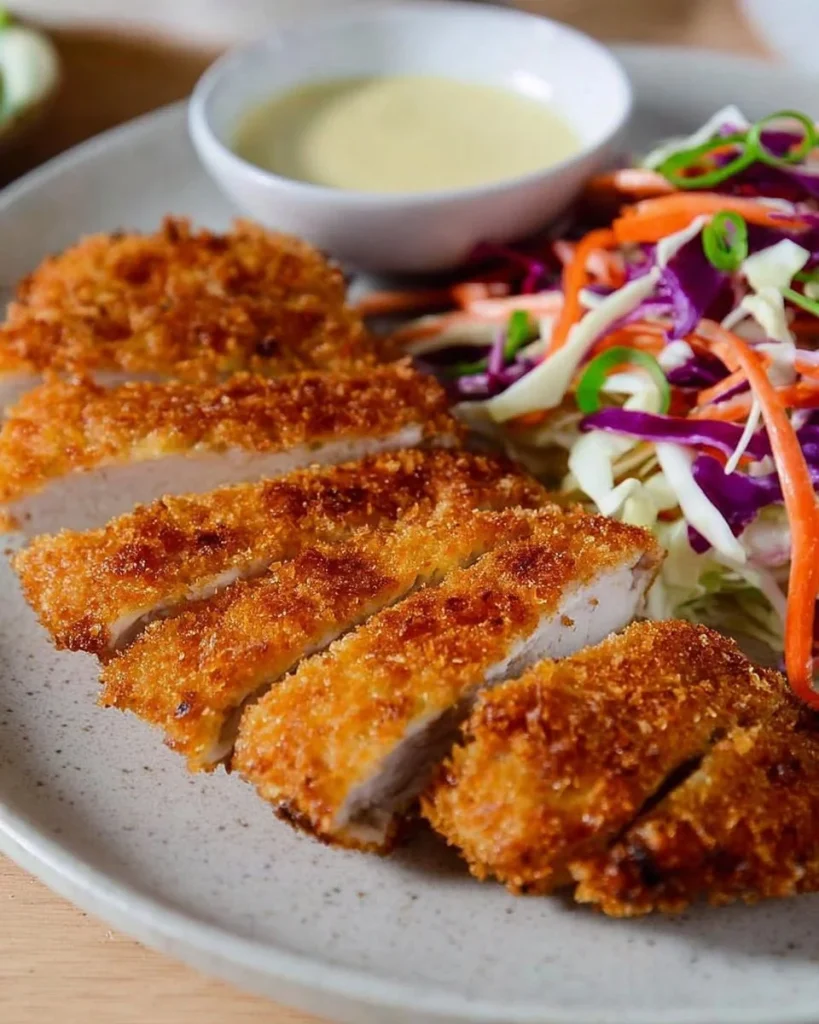
Cooking oil is a staple in every kitchen, yet the myriad of options available can leave many home cooks scratching their heads. My journey into the world of cooking oils truly transformed how I prepare food. This Cooking Oil Guide by Nicole Maguire from Simple Home Edit isn’t just a recipe; it’s a comprehensive dive into the different types of cooking oils, their unique uses, and some invaluable tips for navigating this essential ingredient. Whether you’re searing, sautéing, or baking, understanding oils is fundamental to achieving flavor perfection in your dishes.
In this recipe
Why You’ll Love This Guide
This guide is not just another list of cooking oils; it’s a detailed exploration that will elevate your cooking game. By understanding the smoke points, flavor profiles, and health benefits of various oils, you not only enhance the taste of your meals but also cater to dietary needs effectively. Whether you’re looking for a heart-healthy option or the perfect oil for high-heat cooking, this guide has got you covered.
"This guide completely changed the way I approach cooking! I never realized how much the right oil could impact my dishes." – A happy reader
How This Recipe Comes Together
The Cooking Oil Guide by Nicole Maguire simplifies the world of oils into an easy-to-understand format. First, we’ll explore the diverse types of oils, their best uses, and how to select the right one for your cooking needs. This approach will make your decisions in the kitchen more intuitive, saving time and reducing food waste.
What You’ll Need
To fully benefit from this guide, you won’t need a lot of physical ingredients, but here’s a brief rundown of what you should have on hand:
- Extra virgin olive oil: Perfect for dressings and low-heat cooking.
- Canola oil: A versatile go-to for frying and baking.
- Coconut oil: Adds a unique flavor; great for baked goods.
- Avocado oil: Excellent for high-heat sautéing due to its high smoke point.
- Sesame oil: Ideal for Asian dishes and finishing sauces.
Feel free to explore various oils as you become more comfortable with their applications!
Step-by-Step Instructions
- Understand your oils: Familiarize yourself with the types of oils available. Research their flavor profiles, smoke points, and best uses.
- Choose based on dish: Consider the cooking method (frying, baking, sautéing) and select the oil accordingly. For instance, use olive oil for dressings and canola oil for frying.
- Experiment: Don’t be afraid to mix oils for distinct flavors or healthier options.
Best Ways to Enjoy It
The beauty of this guide is that it opens up a world of possibilities. Pair your chosen oil with fresh herbs and spices to create vibrant dressings or marinades. Serve sautéed vegetables drizzled with sesame oil on the side of your favorite protein, or use a rich olive oil to finish your pasta dishes, enriching flavors beautifully.
Creative Twists
Once you’ve mastered the basics, try experimenting with infused oils. For instance, infusing olive oil with garlic or herbs can add a whole new dimension of flavor to your dishes. Consider incorporating nut oils for a richer taste, or try flavored oils as a finishing touch for salads and roasted vegetables.
Your Questions Answered
What’s the best oil for frying?
Canola or peanut oil is usually preferred for frying due to their high smoke points and neutral flavors.Can I substitute one oil for another?
Yes, you can substitute oils, but be mindful of the flavors and smoke points to ensure your dish turns out as intended.How should I store leftover oil?
Store oils in a cool, dark place and tightly sealed to maintain freshness. For longer storage, refrigerate them but keep in mind that some oils may solidify.
Embarking on this journey through the world of cooking oils will not only simplify your meal preparations but also enhance the flavors of your dishes exponentially. Dive into the Cooking Oil Guide by Nicole Maguire and discover the magic that the right oil can bring to your kitchen!
Cooking Oil Guide
Ingredients
Method
- Familiarize yourself with the types of oils available, including their flavor profiles, smoke points, and best uses.
- Consider the cooking method (frying, baking, sautéing) and select the oil accordingly.
- Experiment with mixing oils for distinct flavors or healthier options.