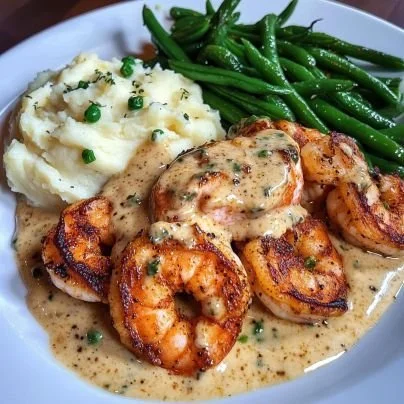
Shrimp Diabla

 235
235
 18
18
 1.30k
1.30k

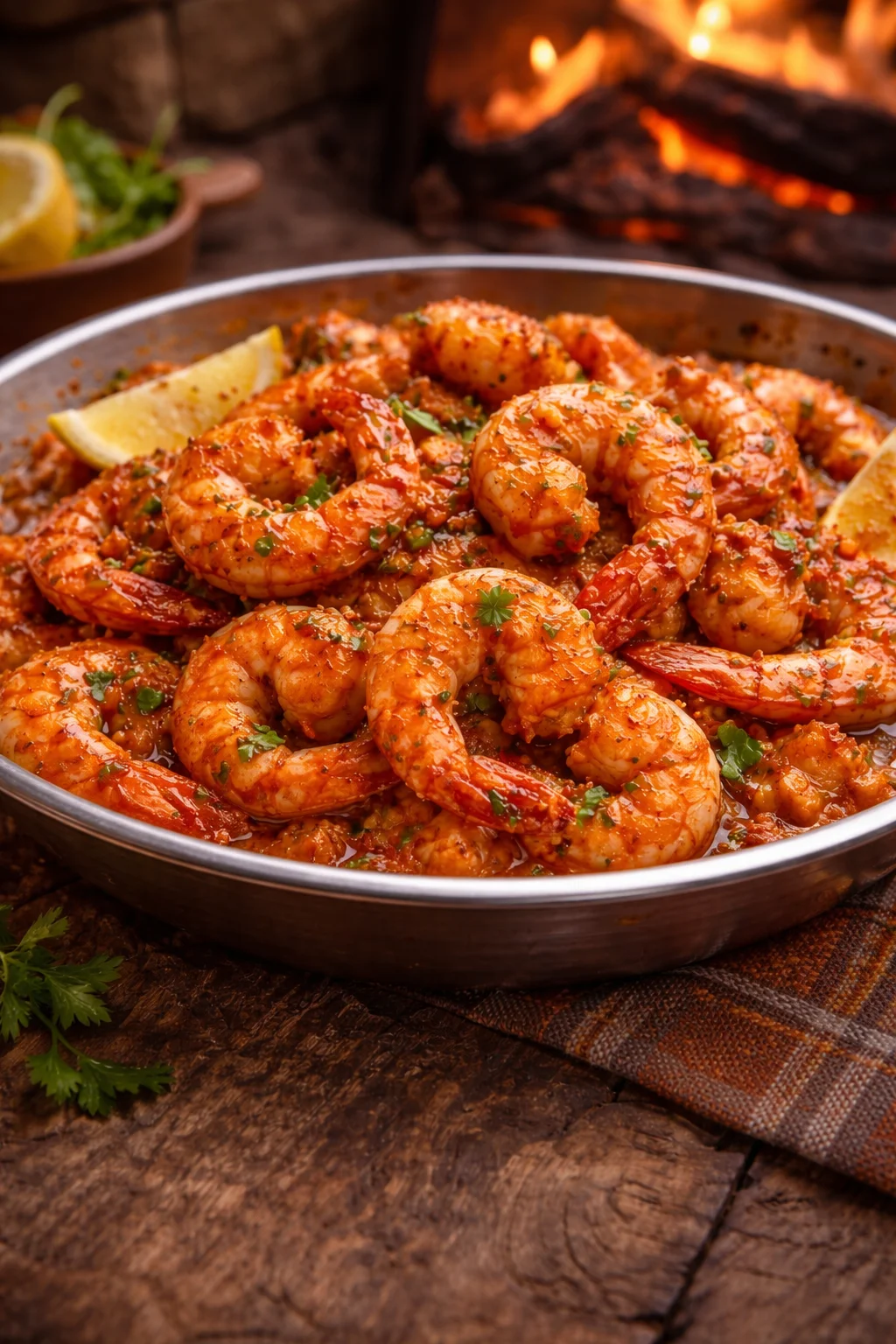
I’ve made shrimp a la diabla more times than I can count, and the version below — bright from roasted tomatoes and smoky from a chipotle — hits the balance of heat, acidity, and shrimp sweetness every time. It’s a classic Mexican preparation where plump shrimp swim in a fiery red sauce; perfect for weeknights when you want big flavor fast, or for a casual dinner that feels celebratory. If you like dishes that come together quickly and pair well with tortillas or rice, this recipe will become a go-to. For other speedy weeknight ideas, try pairing the meal with 20-minute lazy enchiladas.
Why you’ll love this dish
Shrimp Diabla is all about contrast: the natural sweetness and tender texture of shrimp against a smoky, spicy chile sauce. It’s quick to cook, impressive to serve, and scales easily for a crowd or just two.
“We served these at a small family dinner and everyone raved — bold heat without overpowering the shrimp. Fast to make and perfect with warm tortillas.” — home cook review
Benefits at a glance:
- Fast: Most of the active time is sautéing shrimp and finishing the sauce.
- Flavorful: Using guajillo and árbol chiles layers smokiness and chile heat.
- Flexible: Adjust chile quantities to control heat or use the sauce on fish, chicken, or vegetables.
How this recipe comes together
This is the step-by-step logic before you start cooking so you know what to expect:
- Clean and drain whole shrimp so they’re ready to cook.
- Rehydrate and boil dried chiles (guajillo, árbol, and a chipotle) to make a smooth, spicy sauce.
- Sauté fresh tomatoes and onion to build body and sweetness in the pan.
- Blend chiles with garlic to a purée, then simmer with the sautéed vegetables to marry flavors.
- Season shrimp (a pinch of salt, pepper and crushed cloves) and finish by frying them briefly in the hot pan with the sauce until opaque.
This sequence ensures the shrimp remain tender while soaking up the sauce’s spice.
What you’ll need
- 1 kg raw shrimp with heads
- 10 dried guajillo chiles, stemmed and seeded (desvenados)
- 5 chile de árbol
- 1 chipotle chile (canned or dried rehydrated)
- 4 tomatoes
- 1 onion
- 1 clove garlic
- 3 tablespoons olive oil
- Pinch of ground black pepper
- Pinch of salt
Notes and substitutions:
- If guajillos are unavailable, pasilla or ancho can work but they’ll change sweetness and color.
- Use smoked chipotle in adobo for a deeper flavor; reduce quantity if very spicy.
- If you prefer peeled shrimp, remove heads and shells — save the shells to make a quick shrimp stock.
Also, if you want a sweet finish or a simple dessert to follow, try one of these honey lavender cheesecake recipes.
Step-by-step instructions

- Clean shrimp: Rinse the shrimp thoroughly and let them drain in a colander. Pat lightly if needed.
- Prepare chiles: Remove stems and seeds from guajillos. Place guajillos, chiles de árbol, and the chipotle in a pot with enough water to cover. Bring to a gentle boil and simmer 6–8 minutes until softened. Drain but reserve a little cooking liquid.
- Prep vegetables: Dice the tomatoes into small cubes and finely chop the onion. Peel the garlic clove.
- Sauté base: Heat 3 tablespoons olive oil in a large skillet over medium-high heat. Add the chopped onion and sauté until translucent, 3–4 minutes. Add the diced tomatoes and cook until they soften and release juices, about 5 minutes.
- Make the chile sauce: Transfer the softened chiles and garlic to a blender. Add a little of the reserved chile cooking liquid for a smooth texture. Blend until smooth. Pour the puréed chiles into the skillet with the tomato-onion mixture. Reduce heat to low and cook the sauce gently for 5–7 minutes so flavors meld. Taste and add a pinch of salt and pepper.
- Season shrimp: Lightly crush a few whole cloves of clove with a pinch of salt using the back of a knife or a mortar and pestle. Toss the shrimp with the crushed cloves, a tiny bit of salt, and pepper. The clove adds a warm aroma — use sparingly.
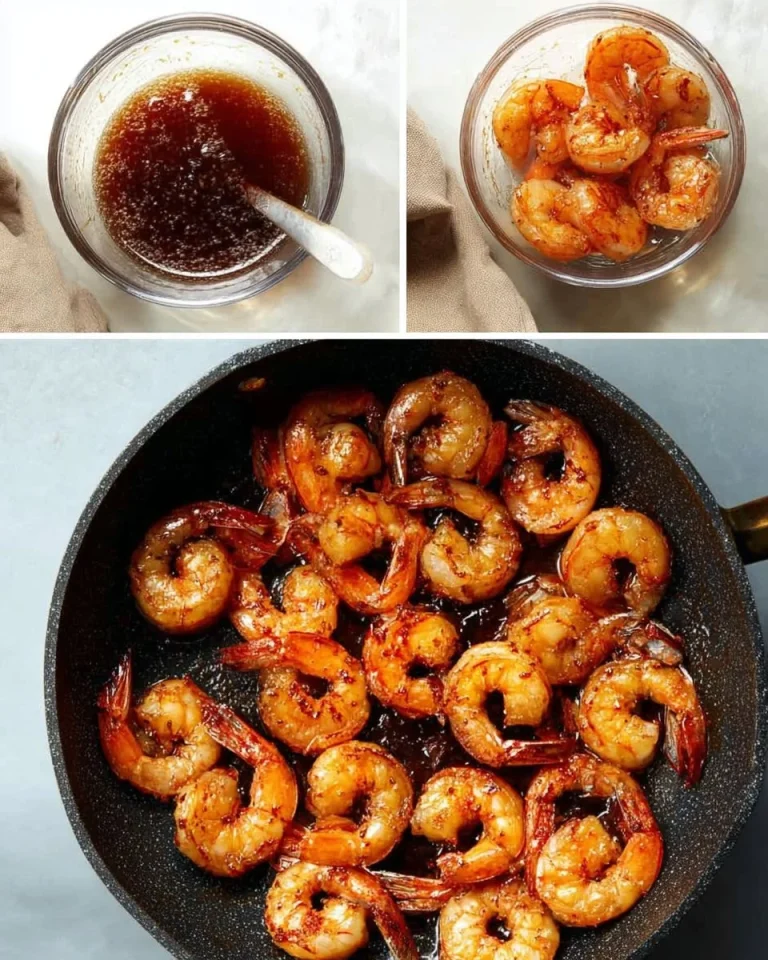
- Cook shrimp: Increase skillet heat to medium-high. Add the seasoned shrimp in a single layer and sauté, turning once, until they turn opaque and firm — about 2–3 minutes per side depending on size. Do not overcook; shrimp should be just opaque.
- Finish and rest: Once cooked, remove from heat and let the shrimp sit in the sauce for a minute so they absorb the flavor. Serve immediately.
Best ways to enjoy it
- Serve with warm corn tortillas and lime wedges for tacos.
- Spoon over steamed white rice or cilantro-lime rice to soak up the sauce.
- Offer simple sides like sautéed greens or grilled corn.
- For a party, arrange shrimp on a platter with extra sauce in a bowl for dipping — great for casual gatherings. You can also pair the dish with crunchy finger foods like last-minute Halloween snacks for an eclectic spread.
Plating tip: Place a small mound of rice or a couple of folded tortillas in the center of the plate, ladle the shrimp and sauce over, and garnish with chopped cilantro and a lime wedge for color and brightness.
Storage and reheating tips
- Refrigerator: Store leftovers in an airtight container for up to 2 days. Seafood is perishable — don’t keep cooked shrimp longer than that.
- Freezing: You can freeze the sauce (without shrimp) for up to 2 months. Thaw in the refrigerator, then reheat and add freshly cooked shrimp. Freezing cooked shrimp is possible but changes texture.
- Reheating: Warm gently on the stove over low heat. Reheat shrimp briefly (just until warmed) to avoid toughness. If sauce is thick, loosen with a splash of water or broth.
Food safety note: Cook shrimp to an internal color change (opaque white/pink). Do not leave cooked shrimp at room temperature more than 2 hours.
Pro chef tips
- Toast chiles briefly in a dry skillet before rehydrating for deeper flavor. Watch them carefully; they burn fast.
- Reserve shrimp heads and shells to make a quick fumet — simmer with water, onion, and carrot for 20 minutes for a flavorful broth.
- Balance heat with acidity: a squeeze of lime just before serving brightens the sauce and calms some spiciness.
- Use a heavy-bottom skillet for even heat and a better sear on the shrimp.
- Don’t overcrowd the pan; cook shrimp in batches if necessary so they brown instead of steaming.
Creative twists
- Milder version: Use fewer chiles de árbol and omit the chipotle. Add a teaspoon of honey to balance heat.
- Smoky-butter finish: Stir a tablespoon of butter into the sauce at the end for a silkier texture.
- Grilled variation: Marinate peeled shrimp briefly in sauce and grill on skewers for a charred note.
- Vegetarian swap: Use firm tofu or cauliflower florets and simmer gently in the sauce until tender.
- Creamy Diabla: Stir in a splash of coconut milk or crema for a rich, creamy sauce that softens the heat.
Your questions answered
Q: Can I use frozen shrimp?
A: Yes. Thaw in the refrigerator overnight and pat dry before cooking. If shrimp are previously cooked and frozen, they’ll be best used in the sauce only briefly to avoid overcooking.
Q: How spicy is Shrimp Diabla?
A: It’s typically medium to hot depending on the chiles. Guajillo adds mild heat and fruity flavor; chiles de árbol and chipotle add more bite. Adjust the number of árbol chiles or omit the chipotle to lower the heat.
Q: Can I make the sauce ahead of time?
A: Absolutely. Make the chile-tomato sauce up to 3 days ahead and refrigerate. Reheat and add freshly cooked shrimp right before serving for the best texture.
Q: How long should shrimp cook?
A: Usually 2–3 minutes per side for medium-large shrimp; cook until they are opaque and slightly firm. Overcooking makes them rubbery.
Conclusion
If you want a reliably spicy, fast seafood dish that tastes like a celebration, this Shrimp Diabla delivers. For more takes on the classic, see The Kitchn’s Camarones a la Diabla recipe, explore a home cook’s version at Isabel Eats’ Camarones a la Diabla, check a branded spice-influenced approach at McCormick’s Camarones a la Diabla recipe, or find a restaurant-style description at MesoMaya’s Camarones A La Diabla.
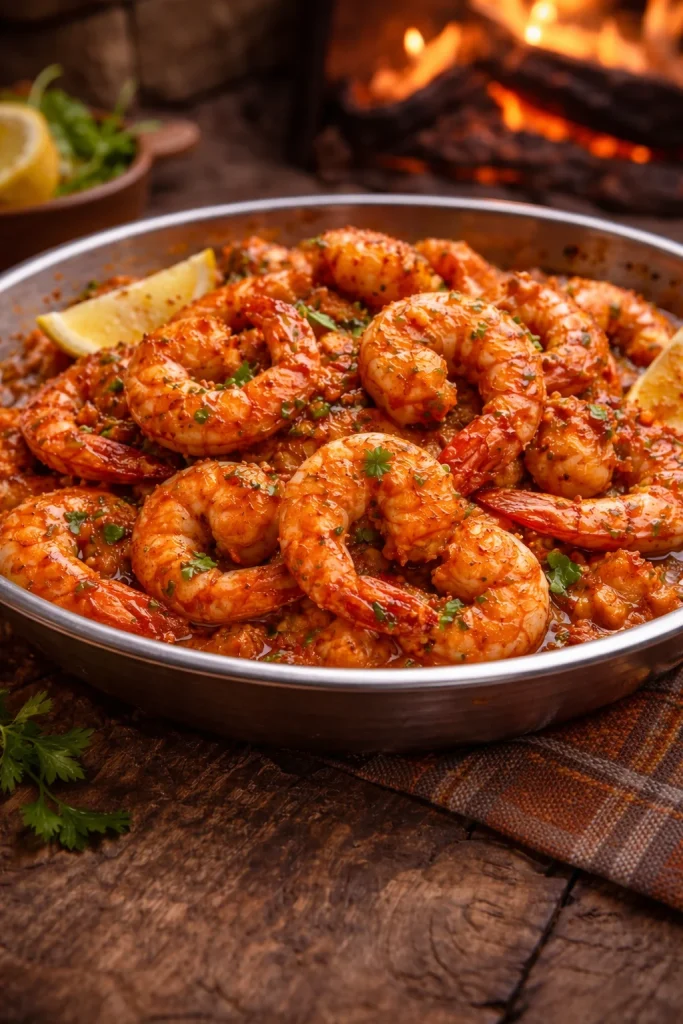
Shrimp Diabla
Ingredients
Method
- Clean the shrimp by rinsing them thoroughly and let them drain in a colander.
- For the chiles, remove stems and seeds from guajillos and place them, the chiles de árbol, and the chipotle in a pot with enough water to cover. Bring to a gentle boil and simmer for 6–8 minutes until softened. Drain but reserve a little cooking liquid.
- Dice the tomatoes into small cubes and finely chop the onion. Peel the garlic clove.
- Heat 3 tablespoons of olive oil in a large skillet over medium-high heat. Add the chopped onion and sauté until translucent, about 3–4 minutes.
- Add the diced tomatoes and cook until they soften and release their juices, about 5 minutes.
- Transfer the softened chiles and garlic to a blender, adding a little reserved chile cooking liquid for a smooth texture. Blend until smooth.
- Pour the puréed chiles into the skillet with the tomato-onion mixture. Reduce heat to low and cook the sauce gently for 5–7 minutes to meld flavors. Taste and add a pinch of salt and pepper.
- Lightly crush a few whole cloves of clove using the back of a knife or a mortar and pestle with a pinch of salt. Toss the shrimp with the crushed cloves, a tiny bit of salt, and pepper.
- Increase skillet heat to medium-high. Add the seasoned shrimp in a single layer and sauté, turning once, until they are just opaque and firm, about 2–3 minutes per side.
- Remove the skillet from heat and let the shrimp sit in the sauce for a minute to absorb the flavor. Serve immediately.