Buttermilk Pound Cake

 235
235
 18
18
 1.30k
1.30k

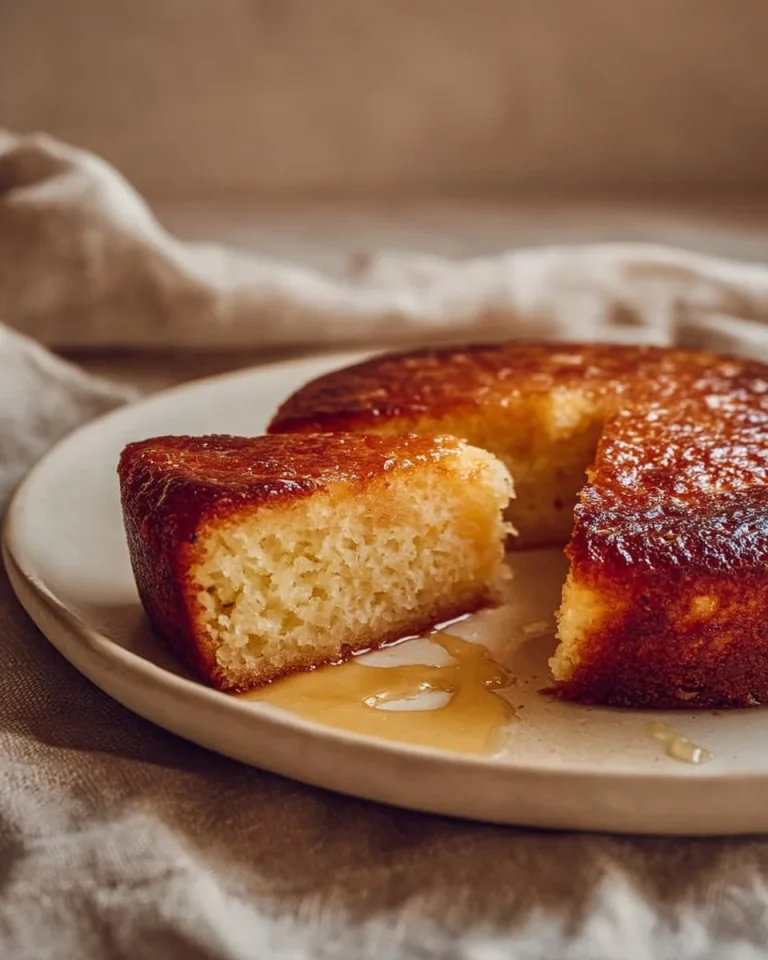
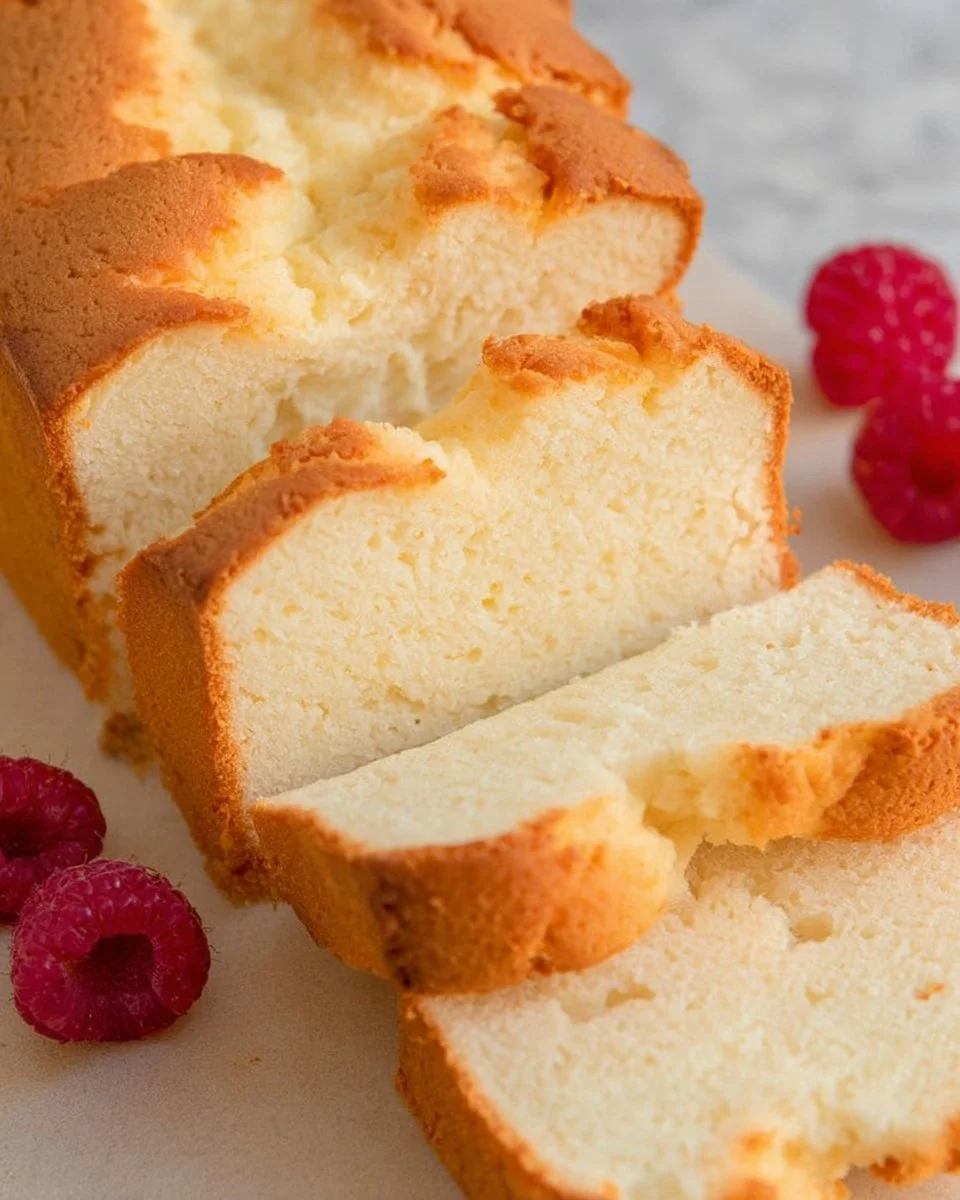
I still remember the first time I baked this buttermilk pound cake—simple ingredients, a forgiving batter, and a dense, tender crumb that felt like nostalgia on a plate. It’s the kind of cake you make for weekend brunches, to bring to a potluck, or when you want slices that hold up for coffee or tea. If you like a classic, no-fuss loaf with a slightly tangy finish, this is for you. For a richer variation with caramel icing, I sometimes pair it with my other recipe for buttermilk–sour-cream pound cake with Southern caramel icing when I want something more indulgent.
Why you’ll love this dish
This pound cake hits a sweet spot: pantry-friendly ingredients, straightforward technique, and a reliably tender crumb thanks to the buttermilk. It’s not overly sweet, slices neatly after chilling, and adapts well to flavor add-ins (lemon, nuts, glaze). Make it when you want a dessert that’s comforting, elegant, and easy to transport.
“A keeper—moist and dense in the best way, with a tangy finish that makes it perfect for afternoon tea.” — home baker review
The cooking process explained
Quick overview so you know what to expect:
- Cream butter and sugar until pale and fluffy.
- Beat in eggs and vanilla until smooth.
- Whisk dry ingredients separately.
- Alternate adding dry mixture and buttermilk to the batter until just combined.
- Divide into two greased 8×4 loaf pans, bake low and slow, then cool briefly before unmolding.
- Chill wrapped overnight for the cleanest slices.
Gather these items
What you’ll need:
- 1 cup unsalted butter, room temperature (about 2 sticks)
- 2 1/2 cups granulated sugar
- 4 large eggs, room temperature
- 2 teaspoons vanilla extract
- 3 cups all-purpose flour
- 1/4 teaspoon baking soda
- 1 cup buttermilk
Notes and small swaps:
- Buttermilk gives the tang and tender crumb; substitute 1 cup milk + 1 tablespoon lemon juice (let sit 5 minutes) in a pinch.
- For a slightly richer flavor, swap half the butter for browned butter.
- To explore a slightly different texture, see this alternate buttermilk–sour-cream pound cake version.
Directions to follow

- Preheat oven to 325°F (163°C). Grease and flour two 8 x 4-inch loaf pans.
- In a large bowl, beat the room-temperature butter and sugar together until light and fluffy (about 3–5 minutes with a stand mixer or a little longer by hand).
- Add eggs one at a time, mixing until each is incorporated, then stir in the vanilla until smooth.
- In another bowl, whisk the flour and baking soda until evenly combined.
- With mixer on low, add about one-third of the dry mixture to the butter mixture. Mix briefly, then pour in about half the buttermilk. Continue alternating—dry, wet, dry—ending with the dry ingredients. Mix only until just combined; don’t overwork the batter.
- Divide the batter evenly between the two prepared loaf pans and smooth the tops with a spatula.
- Bake at 325°F for 60–70 minutes. Rotate the pans halfway through baking to ensure even browning. A toothpick inserted in the center should come out clean or with a few moist crumbs.
- Let loaves cool in their pans for 10 minutes, then turn them out onto a cooling rack to cool completely.
- Wrap tightly in plastic wrap and chill in the refrigerator overnight—this firms the cake and allows you to slice perfect, smooth pieces the next day.
What to serve it with
Best ways to enjoy it:
- Classic: a thin dusting of powdered sugar and a cup of black coffee.
- Fresh fruit: berries or poached peaches and a dollop of whipped cream.
- Glaze ideas: lemon glaze (powdered sugar + lemon juice) or a simple vanilla glaze.
- For a southern take, serve warm slices with pecan praline sauce or a scoop of vanilla ice cream. These pairings keep the cake’s buttery flavor front and center.
Keeping leftovers fresh
How to store and reheat:
- Room temperature: Wrap tightly in plastic wrap or an airtight container and keep for up to 2 days.
- Refrigerator: Wrapped or in a container, the cake will stay good 4–5 days; chilling helps with neat slicing.
- Freezer: Slice and wrap individual pieces in plastic and foil, or wrap the whole loaf; freeze up to 3 months. Thaw overnight in the refrigerator or at room temperature for a couple of hours.
- Reheat slices briefly in a 300°F oven for 8–10 minutes or microwave single slices for 10–12 seconds for a warm bite.
For a denser, slightly different storage approach and frosting ideas, check this related recipe page on buttermilk–sour-cream pound cake with caramel icing.
Pro chef tips
- Use room-temperature eggs and butter so they incorporate evenly and trap air while creaming.
- Measure flour by spooning it into the cup and leveling with a knife—don’t scoop directly from the bag. Too much flour = dry cake.
- Cream butter and sugar long enough for noticeable lightening in color; this creates a finer crumb.
- Alternate dry and wet additions, starting and ending with dry, and stop mixing as soon as the batter comes together.
- Rotate pans halfway through baking to avoid hot-spot browning.
- Chill before slicing—this is the trick for clean, non-crumbly slices. For an alternative take and pecan add-ins, see the recipe I reference below in other variations.
Creative twists
- Lemon-vanilla: Add 1 tablespoon lemon zest to the batter and finish with lemon glaze.
- Brown-butter pecan: Brown the butter and fold in 1 cup toasted pecans for a nutty twist.
- Chocolate swirl: Remove 1/2 cup batter, mix with 2 tablespoons cocoa, and dollop into the pan, swirling gently.
- Gluten-free: Use a 1:1 gluten-free flour blend; expect slight textural differences.
- Dairy-free: Substitute dairy-free margarine and use a plant-based buttermilk (soy or almond milk + acid) but reduce baking time slightly and watch texture.
Your questions answered
Q: Can I use a bundt pan instead of two 8×4 loaf pans?
A: Yes. Baking time will change—usually 50–70 minutes depending on bundt size—so use a toothpick or cake tester and watch for even browning.
Q: What’s the best substitute for buttermilk?
A: Stir 1 tablespoon lemon juice or white vinegar into 1 cup milk and let it sit 5 minutes. That acidity mimics buttermilk’s tenderizing effect.
Q: Why chill the cake overnight?
A: Chilling firms the crumb and reduces crumbling when slicing, making precise, smooth slices possible—the difference between a rustic cut and bakery-style slices.
Q: Can I reduce the sugar?
A: You can reduce sugar slightly (up to 1/4 cup less) but expect a change in texture and browning. Sugar affects moisture and crumb, so avoid drastic reductions.
Conclusion
If you want a reliable, old-fashioned loaf that sings with butter and a subtle tang, this buttermilk pound cake is a weeknight or celebration winner. For more classic takes and regional variations, I often consult resources with different techniques and flavor ideas: try the Southern Bite version for a straightforward southern style at Buttermilk Pound Cake – Southern Bite, compare a traditional approach at Kenneth Temple’s recipe Classic Buttermilk Pound Cake – Kenneth Temple, explore a tangy southern rendition with tips at Buttermilk Pound Cake {Tangy Southern Goodness!}, or see a pecan-studded southern spin at Southern Pecan Buttermilk Pound Cake | Syrup and Biscuits.
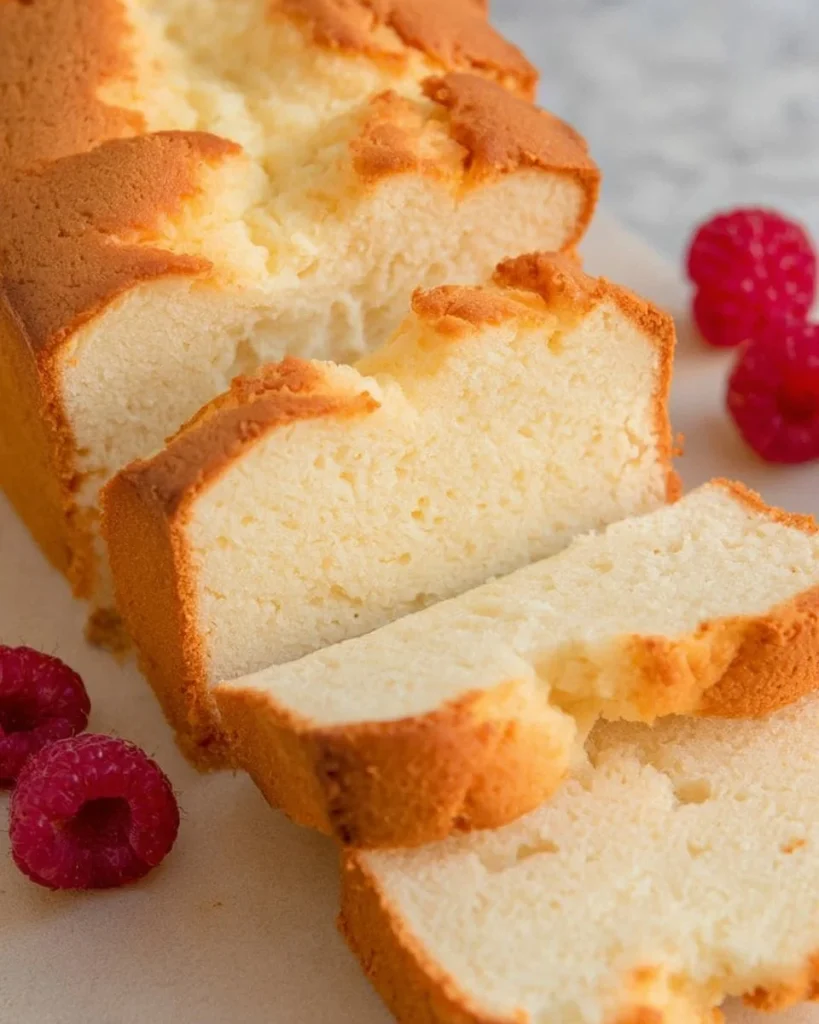
Buttermilk Pound Cake
Ingredients
Method
- Preheat oven to 325°F (163°C). Grease and flour two 8 x 4-inch loaf pans.
- In a large bowl, beat the room-temperature butter and sugar together until light and fluffy (about 3–5 minutes with a stand mixer or a little longer by hand).
- Add eggs one at a time, mixing until each is incorporated, then stir in the vanilla until smooth.
- In another bowl, whisk the flour and baking soda until evenly combined.
- With mixer on low, add about one-third of the dry mixture to the butter mixture. Mix briefly, then pour in about half the buttermilk. Continue alternating—dry, wet, dry—ending with the dry ingredients. Mix only until just combined; don’t overwork the batter.
- Divide the batter evenly between the two prepared loaf pans and smooth the tops with a spatula.
- Bake at 325°F for 60–70 minutes. Rotate the pans halfway through baking to ensure even browning. A toothpick inserted in the center should come out clean or with a few moist crumbs.
- Let loaves cool in their pans for 10 minutes, then turn them out onto a cooling rack to cool completely.
- Wrap tightly in plastic wrap and chill in the refrigerator overnight for the cleanest slices.