Butter Orange Cake

 235
235
 18
18
 1.30k
1.30k

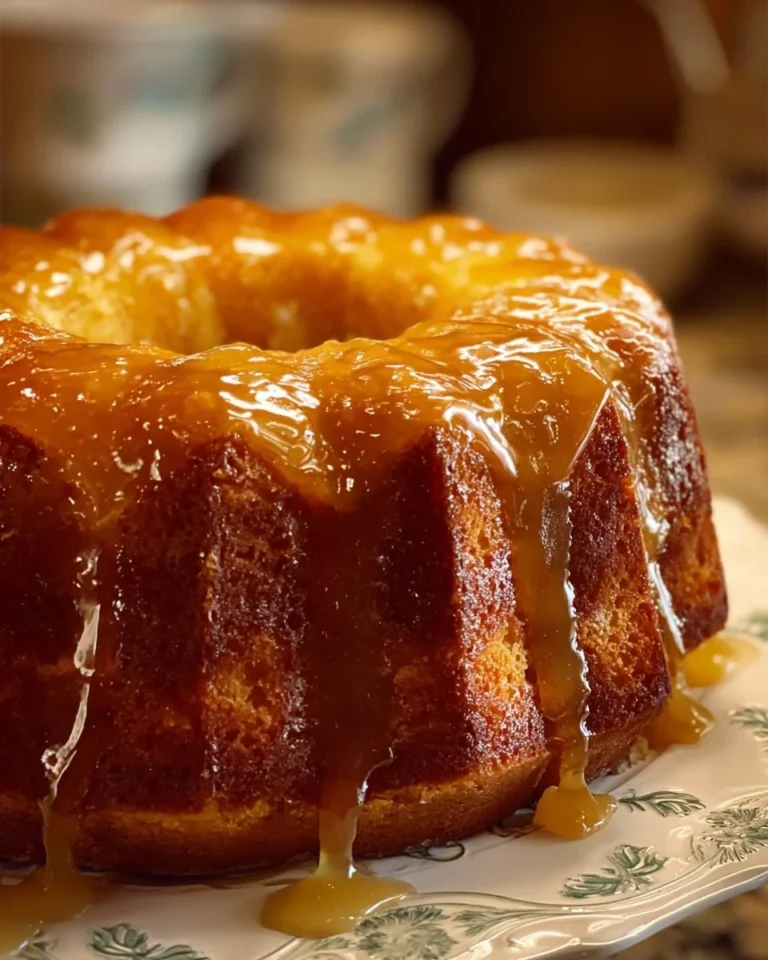
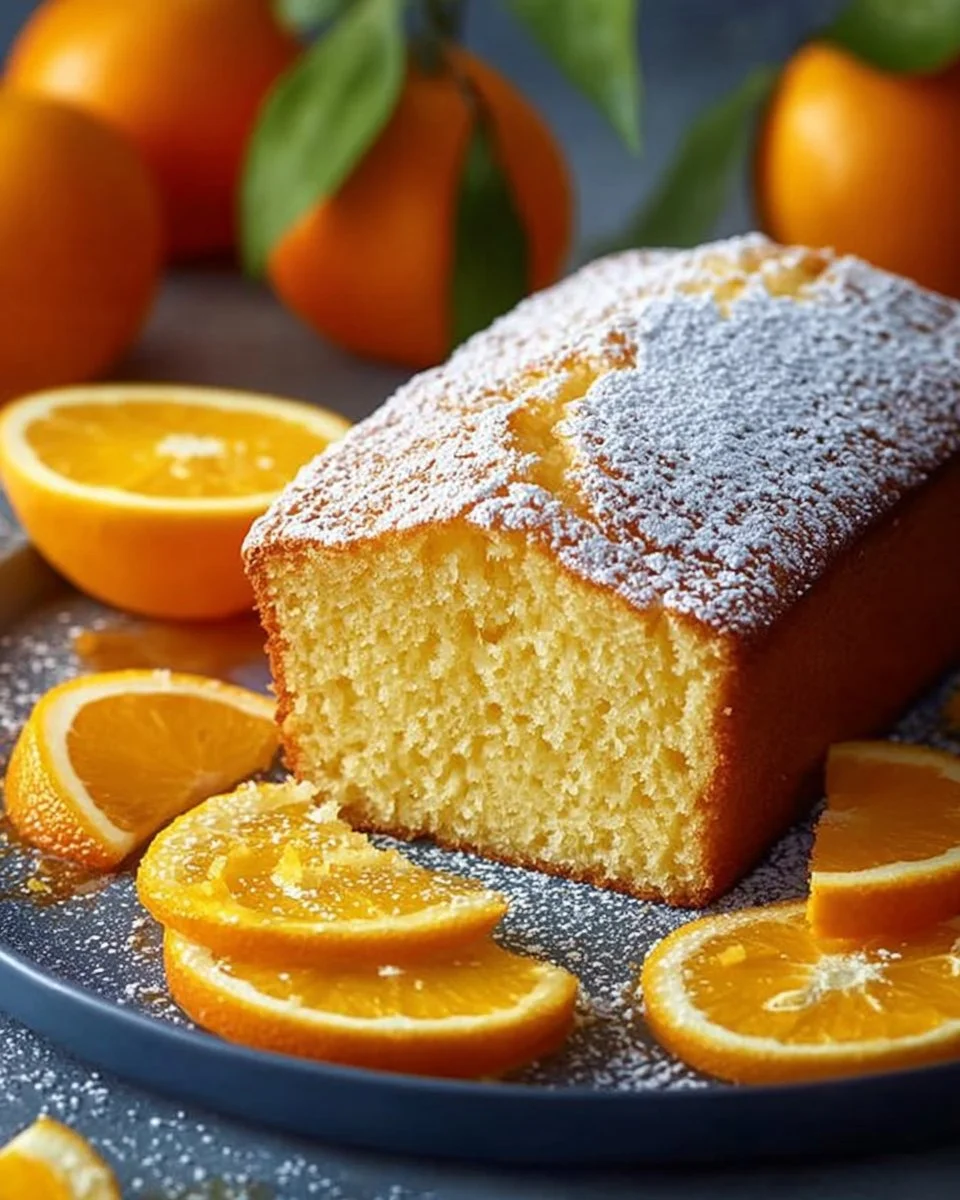
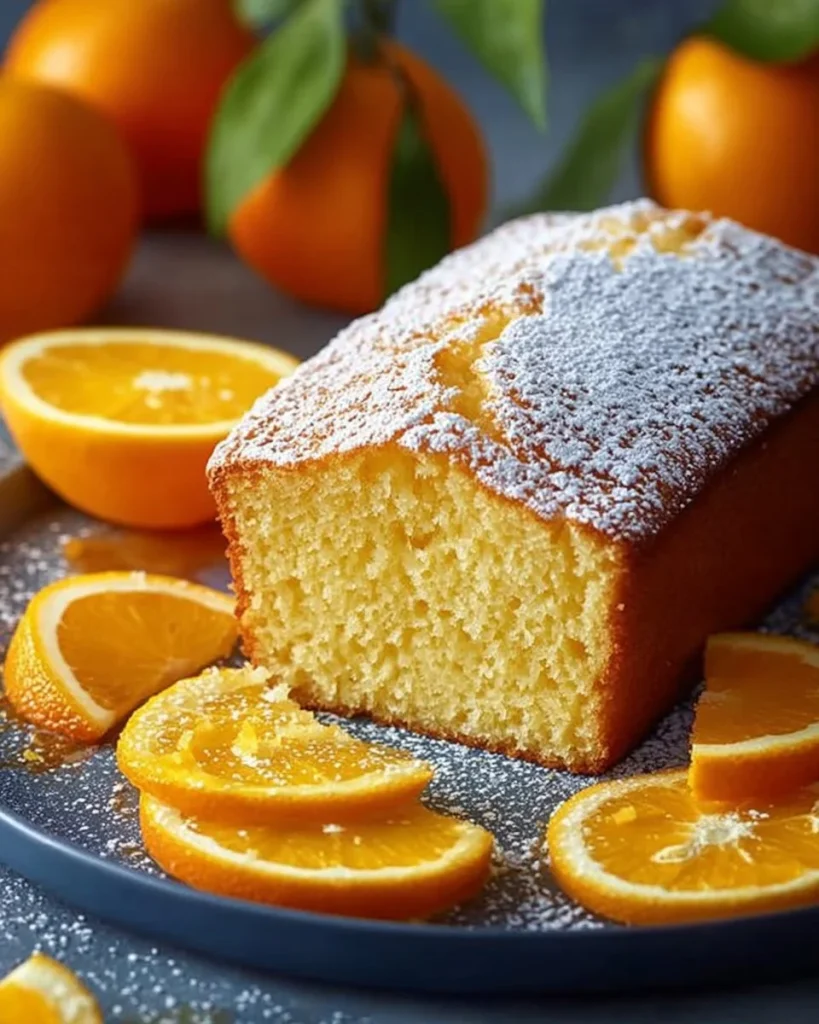
I’ve been making this butter orange cake for years when I want something that smells like sunshine and still feels like a cozy treat. It’s a tender, buttery single-layer cake brightened by orange zest and juice, finished with a simple citrus glaze. It’s perfect for Sunday brunch, an afternoon tea, or whenever you want a cake that’s both homey and a little elegant. If you enjoy citrus-forward desserts, try this orange butter cake with cranberry curd for a festive twist: orange butter cake with cranberry curd.
Why you’ll love this dish
This butter orange cake hits a sweet spot: rich, buttery crumb with fresh citrus throughout. It’s not overly sweet, so the orange shines through without being cloying. The recipe uses pantry-friendly ingredients and comes together quickly, which makes it a go-to when you want an impressive cake without fuss. It also adapts well — swap the glaze for a dusting of powdered sugar, add a few sliced almonds on top, or serve with whipped cream.
“Bright orange zest and a soft, buttery crumb — this cake became our new weekend ritual.” — a happy tester
How this recipe comes together
Start by whisking the dry ingredients. Cream the butter and sugar until light, then add eggs and yolk one at a time for structure and richness. Fold in orange zest and vanilla for aroma. Alternate adding the dry mix with milk and a splash of orange juice so the batter stays tender and well hydrated. Bake until a toothpick comes out clean, cool briefly, then drizzle a citrus glaze made from sifted powdered sugar and fresh orange juice. Total active prep is about 20 minutes; bake time is 30–35 minutes.
What you’ll need
- 2 cups (250 grams) pastry/cake flour (or low-protein all-purpose flour; see notes)
- 1 1/2 teaspoons baking powder
- Pinch of salt
- 1 cup (230 grams) unsalted butter, softened
- Zest from 2 oranges (about 2–3 tablespoons)
- 1 cup (200 grams) granulated sugar
- 2 large eggs, room temperature
- 1 large egg yolk, room temperature
- 1/2 teaspoon vanilla extract
- 1/4 cup + 2 tablespoons (90 grams) milk, room temperature
- 2 tablespoons fresh-squeezed orange juice (for batter)
- 1–2 cups sifted powdered sugar (for glaze)
- 2–3 tablespoons fresh orange juice (for glaze)
Notes and substitutions:
- If you don’t have cake/pastry flour, use all-purpose flour minus 2 tablespoons per cup (or see the flour section below). Cake flour gives a lighter crumb.
- For dairy-free: swap butter for a solid plant-based butter and milk for unsweetened almond or oat milk (texture will vary).
- More orange intensity: add 1/2 teaspoon orange extract, but use sparingly.
To compare richer dessert ideas, you can also look at this banana caramel peanut butter cheesecake: banana caramel peanut butter cheesecake.
Step-by-step instructions

- Preheat the oven to 350°F (175°C). Grease and flour a 9-inch round cake pan (or line with parchment).
- Whisk together the flour, baking powder, and salt in a medium bowl. Set aside.
- In a large bowl, cream the softened butter and granulated sugar until pale and fluffy, about 3–4 minutes with a hand mixer.
- Add the eggs and the extra yolk one at a time, beating well after each addition so the batter remains smooth.
- Stir in the orange zest and vanilla until evenly distributed.
- Begin adding the dry ingredients in thirds, alternating with the milk + 2 tablespoons orange juice: dry, wet, dry, wet, finish with dry. Mix gently and stop as soon as combined.
- Pour the batter into the prepared pan and smooth the top with a spatula.
- Bake for 30–35 minutes, or until the top is lightly golden and a toothpick in the center comes out clean.
- Cool in the pan for 10 minutes, then turn out onto a wire rack to cool completely.
- For the glaze: whisk sifted powdered sugar with fresh orange juice until smooth and pourable. Start with 2 tablespoons juice and add more to adjust consistency.
- Drizzle the glaze over the cooled cake and let it set for 10–15 minutes before slicing.
Serving suggestions
- Serve slices with lightly whipped cream and extra orange zest for a pretty finish.
- Pair with black tea, Earl Grey (the bergamot complements orange), or a bright, not-too-sweet white wine.
- For brunch, plate with fresh berries and a dollop of yogurt or mascarpone.
- To make it a dessert course, warm a slice slightly and top with a scoop of vanilla ice cream.
Storage and reheating tips
- Room temperature: Store covered at room temperature for up to 2 days.
- Refrigerator: Keep in an airtight container for 4–5 days; the chill slightly firms the butter and intensifies flavor.
- Freezing: Wrap whole cake or slices tightly in plastic, then foil. Freeze up to 2 months. Thaw overnight in the fridge, then bring to room temperature before serving.
- Reheating: Warm slices in a 300°F oven for 8–10 minutes or microwave for 10–15 seconds for a just-baked feel.
- Food safety: Because this cake contains eggs and dairy, do not leave it unrefrigerated for more than 2 hours in hot conditions.
Pro chef tips
- Room-temperature ingredients mix more uniformly. Take eggs and milk from the fridge 30 minutes before baking.
- Don’t overmix once you add the flour. Overworking develops gluten and can make the cake dense.
- Zest the oranges before juicing to preserve the bright aromatic oils. Use a microplane for fine zest.
- Measure flour by spooning into the cup and leveling, or weigh it — 250 g is accurate.
- If you want a richer, nutty note, try browning the butter first (cool it slightly before creaming).
- For tips on aerating batters and achieving a light crumb, see this guide to the best fluffy buttermilk pancakes recipe: best fluffy buttermilk pancakes recipe.
Creative twists
- Browned-butter orange cake: brown the butter for brown-butter flavor, then cool slightly before creaming with sugar.
- Orange-almond: replace 1/4 cup flour with almond flour for a tender crumb and nutty taste.
- Citrus combo: zests of orange and lemon together give a complex brightness.
- Boozy glaze: whisk in 1 tablespoon Grand Marnier or Cointreau to the glaze for an adult finish.
- Bundt or loaf: bake in a bundt pan for a more formal presentation; adjust bake time to 40–50 minutes.
Your questions answered
Q: Can I use all-purpose flour instead of pastry/cake flour?
A: Yes. Use all-purpose but remove 2 tablespoons per cup of flour or use the weight (250 g) — the cake will be slightly denser but still very good.
Q: Can I make this ahead for a party?
A: Absolutely. Bake and glaze the cake a day ahead and store under a cake dome at room temperature. Add fresh zest or sliced fruit right before serving.
Q: My cake seemed dense — what went wrong?
A: Likely overmixing after adding flour, or the butter and eggs were too cold. Also check your baking powder — if it’s old, the cake won’t rise properly.
Q: Can I use bottled orange juice for the glaze?
A: Fresh juice gives the best flavor, but bottled works in a pinch. Taste and adjust the glaze sweetness.
Conclusion
If you want to explore a whole-orange approach that uses the fruit more intensively, check this Whole Orange Butter Cake Recipe for inspiration. For a version that emphasizes browned butter alongside orange, this Browned Butter Whole Orange Cake – The Floating Kitchen post is an excellent reference. And if you’re curious about more experimental citrus desserts, read the creative Burnt Honey Cream & Orange Cake – Benjamina Ebuehi for ideas you can adapt to this cake.
Butter Orange Cake
Ingredients
Method
- Preheat the oven to 350°F (175°C). Grease and flour a 9-inch round cake pan (or line with parchment).
- Whisk together the flour, baking powder, and salt in a medium bowl. Set aside.
- In a large bowl, cream the softened butter and granulated sugar until pale and fluffy, about 3–4 minutes with a hand mixer.
- Add the eggs and the extra yolk one at a time, beating well after each addition.
- Stir in the orange zest and vanilla until evenly distributed.
- Begin adding the dry ingredients in thirds, alternating with the milk and orange juice: dry, wet, dry, wet, finish with dry. Mix gently.
- Pour the batter into the prepared pan and smooth the top.
- Bake for 30–35 minutes, or until a toothpick inserted into the center comes out clean.
- Cool in the pan for 10 minutes, then turn out onto a wire rack to cool completely.
- Whisk sifted powdered sugar with fresh orange juice until smooth and pourable. Adjust consistency as needed.
- Drizzle the glaze over the cooled cake and let it set for 10–15 minutes before slicing.