Best shortbead

 235
235
 18
18
 1.30k
1.30k

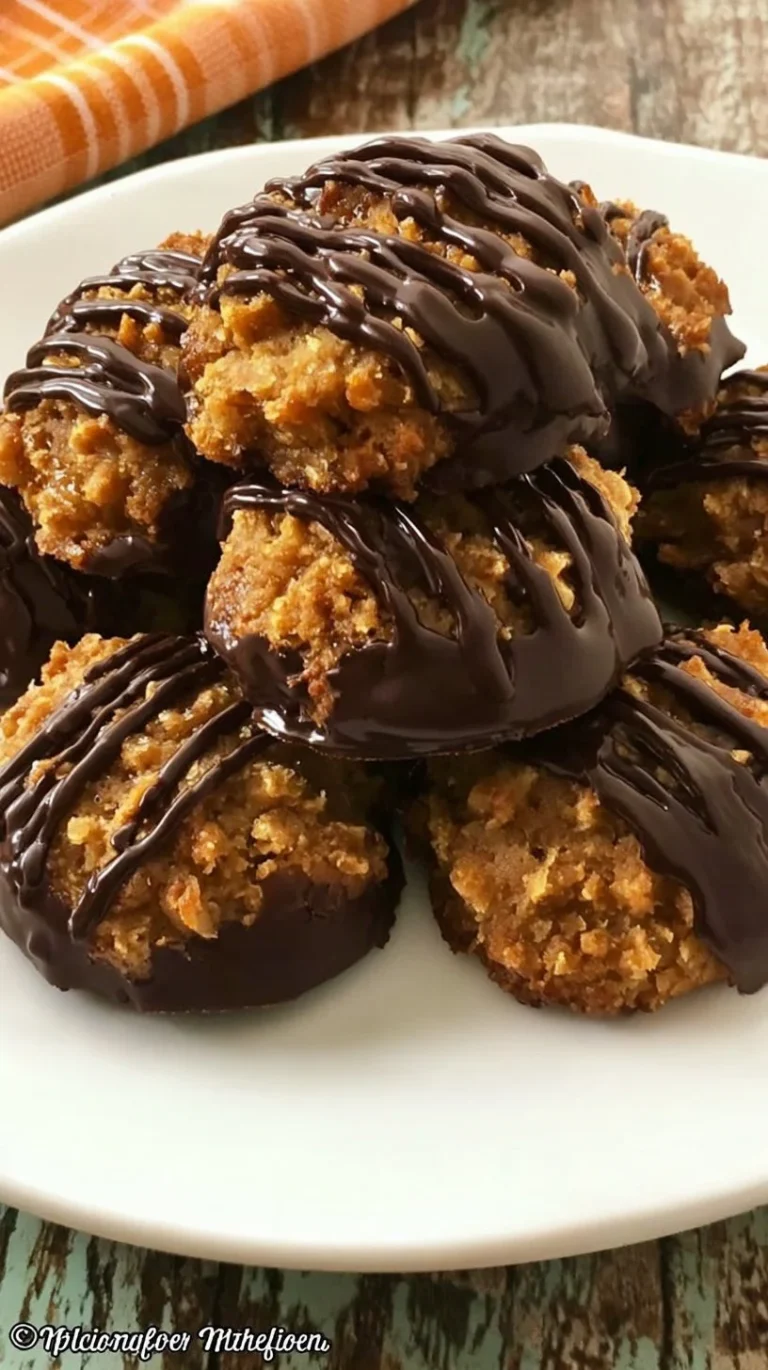
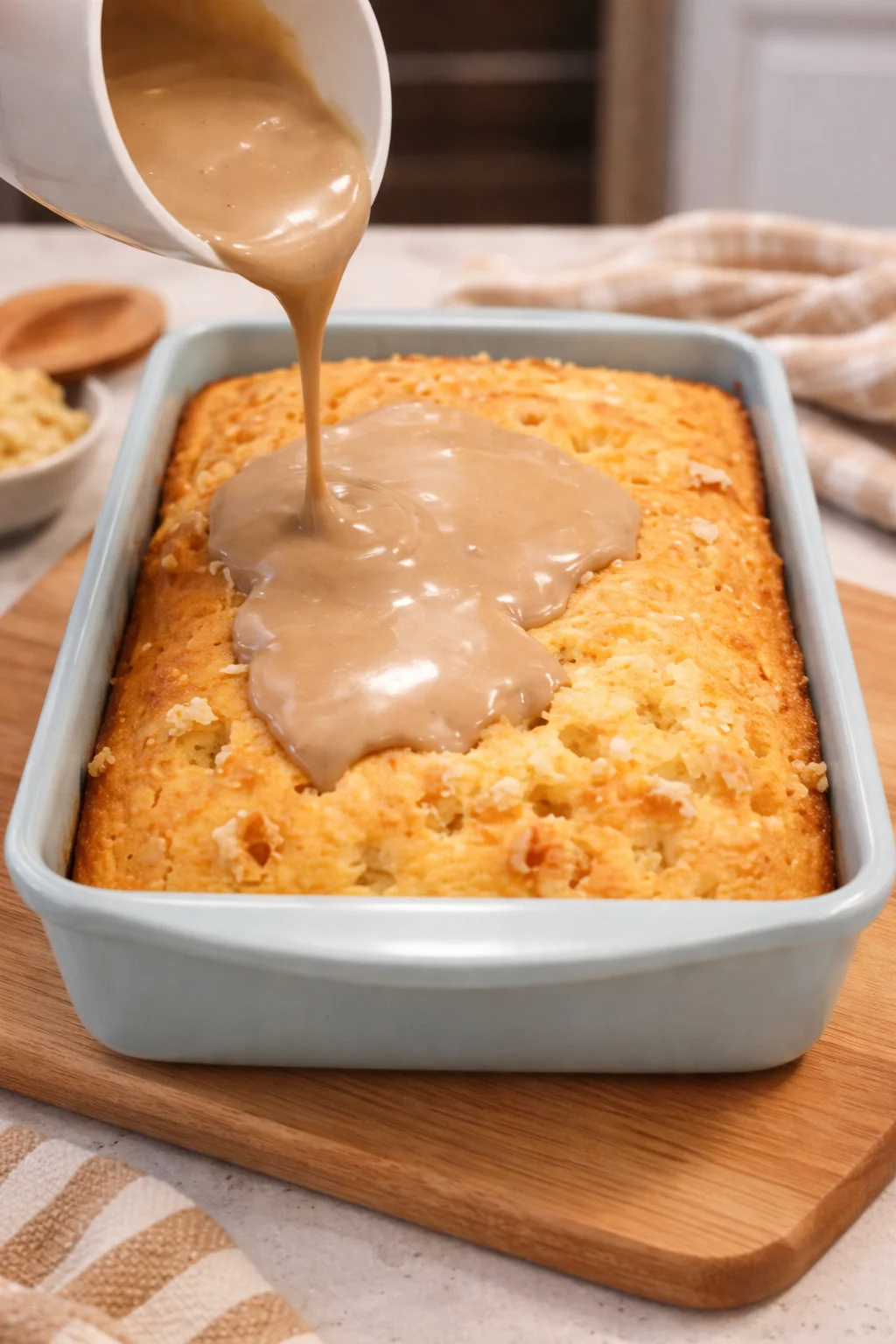
First, my house smells awesome. When I drizzled the filling over I was already drooling. Before it set I ate a tiny piece of a corner. Now I hear it calling me. Wonderful. That sticky, buttery-sweet memory is exactly what these salted caramel chocolate bars deliver: a crisp shortbread base, a molten caramel middle that sets to a chewy finish, and a glossy chocolate drizzle on top. Make them for a weekend bake, to bring to a potluck, or when you need a dessert that feels indulgent but is straightforward to pull together. If you enjoy rich, saucy comfort desserts, you might also like this easy chicken paprikash for a savory dinner that pairs well with cozy baking nights.
Why you’ll love this dish
These salted caramel chocolate bars hit multiple pleasure points: a buttery, slightly crumbly shortbread that gives way to a gooey, slightly chewy caramel, finished with a tempered chocolate drizzle that snaps at the first bite. They’re special because the texture contrast — crisp base, soft center, glossy topping — is immediate and addictive. They’re also:
- Crowd-friendly: easy to slice into squares for parties or school events.
- Make-ahead: the flavors improve a bit after a night in the fridge.
- Flexible: swap chocolate types, add nuts, or make them dairy‑free with smart substitutions.
“I drizzled the filling and couldn’t resist a corner before it cooled — exactly the kind of dessert that demands a second helping.” — a happy bake tester
Step-by-step overview
Before you dive into ingredient measurements, here’s the quick process so you know what to expect:
- Make a shortbread dough and press it into a lined pan; blind‑bake briefly to set the base.
- Cook a smooth, golden caramel on the stove until it reaches a soft‑ball / just-below firm stage, then pour it over the hot shortbread.
- Chill so the caramel firms up to a chewy texture.
- Melt dark or milk chocolate and drizzle (or spread) over the chilled bars for a shiny finish.
- Let the chocolate set, slice into squares, and serve.
This is a two-stage bake (shortbread first, caramel second) with a cooling pause, so total time includes hands-on cooking, short baking, and chilling.
What you’ll need
- 1 cup (225 g) unsalted butter, softened (or use vegan butter)
- 1/2 cup (100 g) granulated sugar
- 1/2 cup (100 g) light brown sugar, packed
- 2 cups (260 g) all-purpose flour
- 1/2 tsp fine sea salt (plus extra sea salt flakes to finish)
- 1 tsp vanilla extract
- For the caramel:
- 1 cup (200 g) granulated sugar
- 6 tbsp (85 g) unsalted butter, cubed
- 1/2 cup (120 ml) heavy cream, warm (use coconut cream for dairy-free)
- 1/2 tsp sea salt (or to taste)
- For the topping:
- 6 oz (170 g) dark or milk chocolate, chopped
- 1 tsp neutral oil (optional, for shine)
Substitutions/notes: Swap gluten-free 1:1 flour for a GF version (texture will be a touch more fragile). If you prefer a softer base, reduce the shortbread bake time by 3–4 minutes.
Directions

- Preheat the oven to 350°F (175°C). Line a 9×9-inch square pan with parchment, leaving an overhang to lift the bars.
- Make the shortbread: beat the softened butter with both sugars until pale and fluffy, about 2–3 minutes. Mix in vanilla. Add flour and salt and pulse or stir until the dough comes together.
- Press the dough evenly into the prepared pan. Use the bottom of a measuring cup to smooth the surface.
- Bake the crust 15–18 minutes, until edges are just turning golden. Remove and let cool slightly while you make the caramel.
- Make the caramel: place sugar in a medium, heavy-bottomed saucepan over medium heat. Let it melt without stirring; swirl the pan gently or use a heatproof spatula to encourage even melting. When sugar is a deep amber, add the butter carefully (it will bubble).
- Stir until the butter melts, then slowly pour in the warmed cream while stirring. Boil gently for 1–2 minutes until slightly thickened. Remove from heat and stir in salt. Let the caramel cool for 3–5 minutes so it’s warm but not scalding.
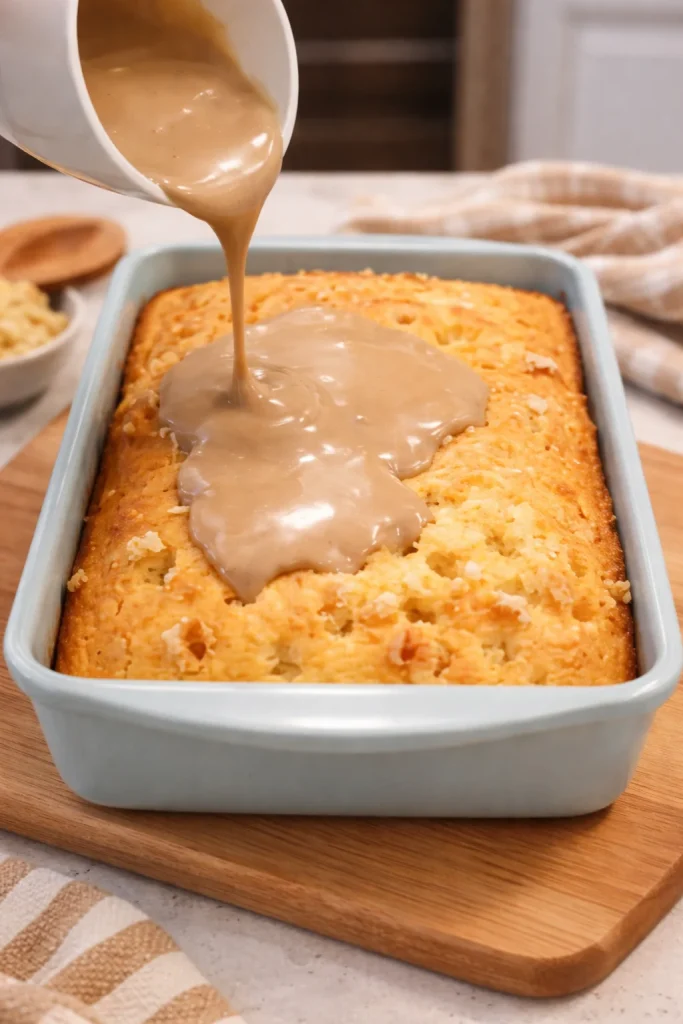
- Pour the caramel over the shortbread in an even layer. Smooth gently and tap the pan to remove air pockets.
- Chill the pan in the refrigerator for at least 2 hours until the caramel firms.
- Melt the chocolate: use a double boiler or microwave in 20-second bursts, stirring between, until smooth. Stir in oil if using.
- Drizzle or spread the chocolate over the chilled caramel. Sprinkle a few sea salt flakes on top.
- Let the chocolate set at room temperature or chill briefly until firm. Use the parchment overhang to lift the slab and cut into squares. Store as below.
Best ways to enjoy it
These bars are delightful on their own with coffee, but you can elevate the experience:
- Serve slightly chilled for neat slices, or at room temperature if you prefer a gooier chew.
- Pair with a small scoop of vanilla ice cream or a dollop of mascarpone for contrast.
- For a grown-up touch, serve with an espresso or a glass of tawny port. If you like restaurant-style sweet-salty combinations, consider pairing the bars with a savory, comforting entree; a recipe for a restaurant-style steakhouse recipe makes a satisfying main for a special dinner that finishes perfectly with a caramel square.
How to store & freeze
- Room temperature: Keep bars in an airtight container for up to 2 days to maintain chewiness.
- Refrigerator: Store in a single layer or separated with parchment for up to 10 days. Chilling firms the caramel and makes clean slices easier.
- Freezing: Wrap individual squares in plastic wrap and place in a freezer bag or container for up to 3 months. Thaw overnight in the fridge to avoid condensation on the chocolate. Food safety note: because these contain butter and cream, keep them refrigerated if your kitchen is warm (above 70°F / 21°C) or if storing longer than a day.
Pro chef tips
- Even caramel: Use a heavy-bottomed saucepan and keep heat moderate to avoid burning sugar. Remove from heat a shade earlier; residual heat continues to caramelize.
- Test caramel doneness: If you have a candy thermometer, aim for 245–250°F (118–121°C) for a chewy finish. Without one, it should coat a spoon and thicken noticeably after adding cream.
- Clean cuts: Chill well, then warm a sharp knife under hot water and dry it before each cut. Wipe between slices.
- Texture control: For a softer set, stop cooking the caramel a few degrees earlier. For firmer, cook slightly longer. For additional inspiration on balancing sauces and finishing touches, I sometimes reference a tried-and-true restaurant copycat steakhouse favorite technique — the same principles (temperature control, timing) apply when finishing sweets.
Creative twists
- Nutty crunch: Sprinkle toasted pecans or almonds on the caramel before it sets.
- Chocolate swap: Use white chocolate and fold in a teaspoon of lemon or orange zest for brightness.
- Boozy caramel: Stir 1–2 tablespoons of bourbon into the caramel off the heat for depth.
- Vegan version: Use vegan butter and full-fat coconut cream; be mindful coconut flavor will come through.
- Mini bars: Bake in a muffin tin lined with paper for portable single-serve bites.
Common questions
Q: How long does the whole process take? A: Hands-on time is about 35–45 minutes. Baking and chilling add around 2–3 hours total; most of that is passive chilling time.
Q: Can I make the caramel ahead of time? A: Yes — pour it into a heatproof container, cover, and refrigerate for up to 3 days. Warm gently before pouring over the crust so it spreads smoothly.
Q: My caramel seized or became grainy. What went wrong? A: Grainy caramel usually means sugar crystallized. To fix minor graininess, add a small splash of hot water and stir over low heat to dissolve crystals. Prevent it by avoiding stirring while the sugar first melts; if crystals form on the pan rim, brush with a damp pastry brush as it cooks.
Q: Can I use store-bought caramel or dulce de leche? A: You can. Store-bought caramel is a shortcut — gently warm it to pourable consistency. Taste for salt and adjust, since shop-bought versions vary in sweetness and thickness.
Q: Why did my chocolate bloom after chilling? A: Bloom (a whitish film) happens when chocolate experiences temperature swings or moisture. To avoid it, bring chocolate to room temp gradually and store finished bars in a stable, cool place; use tempered chocolate if you want a glossy, long-lasting sheen.
If you want a printable version of the ingredient list or a shopping checklist, let me know — I can format that next for easy baking.
Salted Caramel Chocolate Bars
Ingredients
Method
- Preheat the oven to 350°F (175°C). Line a 9×9-inch square pan with parchment, leaving an overhang to lift the bars.
- Make the shortbread: beat the softened butter with both sugars until pale and fluffy, about 2-3 minutes. Mix in vanilla. Add flour and salt and pulse or stir until the dough comes together.
- Press the dough evenly into the prepared pan. Use the bottom of a measuring cup to smooth the surface.
- Bake the crust for 15-18 minutes, until edges are just turning golden. Remove and let cool slightly while you make the caramel.
- Place sugar in a medium, heavy-bottomed saucepan over medium heat. Let it melt without stirring; swirl the pan gently or use a heatproof spatula to encourage even melting.
- When sugar is a deep amber, add the butter carefully (it will bubble). Stir until the butter melts, then slowly pour in the warmed cream while stirring.
- Boil gently for 1-2 minutes until slightly thickened. Remove from heat and stir in salt. Let the caramel cool for 3-5 minutes so it’s warm but not scalding.
- Pour the caramel over the shortbread in an even layer. Smooth gently and tap the pan to remove air pockets.
- Chill the pan in the refrigerator for at least 2 hours until the caramel firms.
- Melt the chocolate using a double boiler or microwave in 20-second bursts, stirring between, until smooth. Stir in oil if using.
- Drizzle or spread the chocolate over the chilled caramel. Sprinkle a few sea salt flakes on top.
- Let the chocolate set at room temperature or chill briefly until firm. Use the parchment overhang to lift the slab and cut into squares.