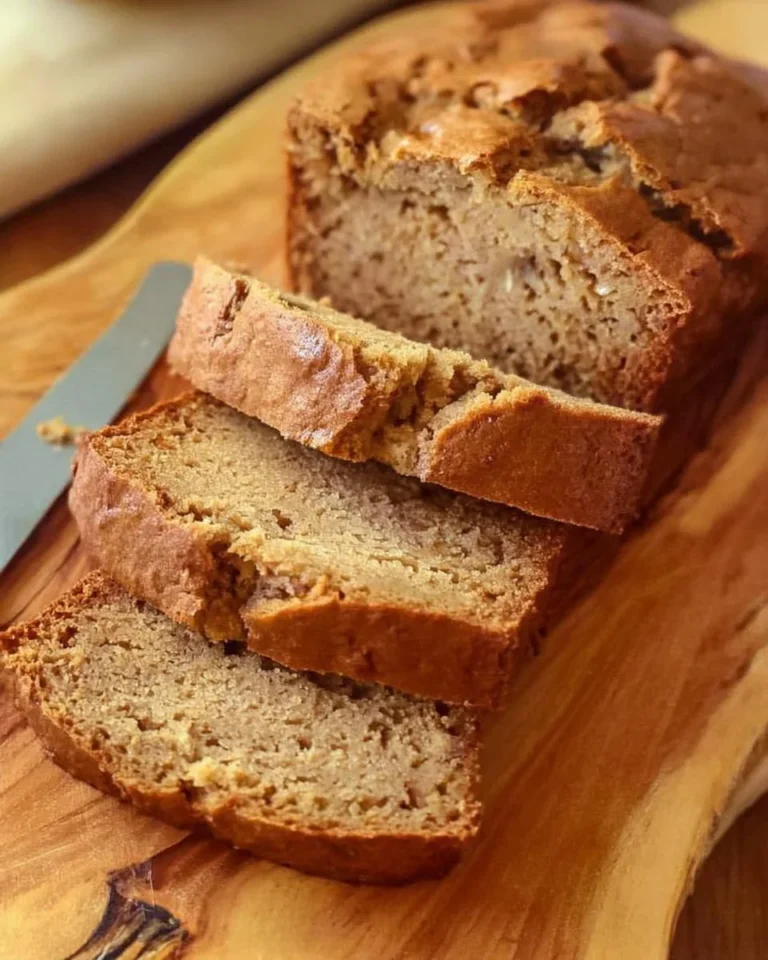
Amish Bread

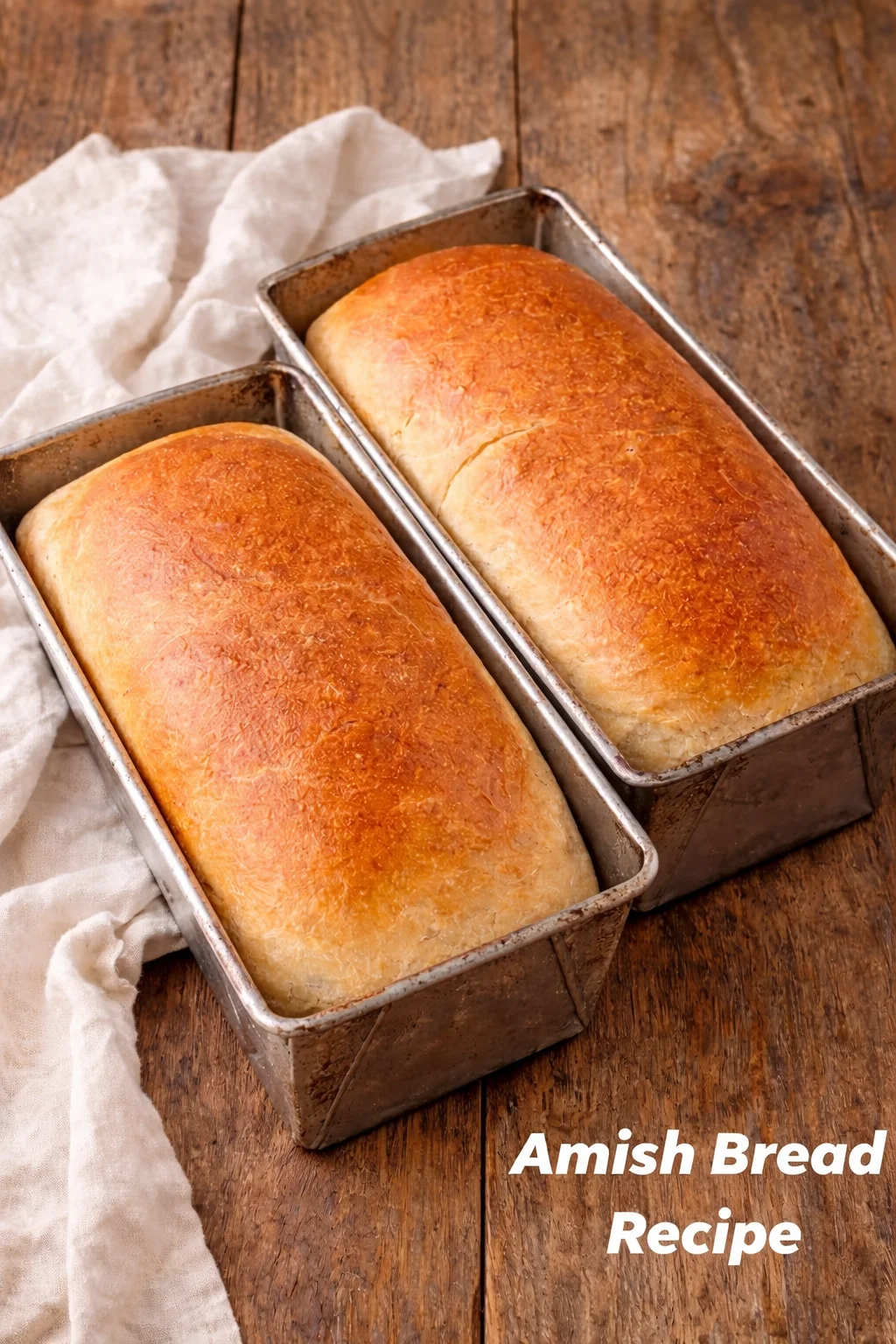
 235
235
 18
18
 1.30k
1.30k

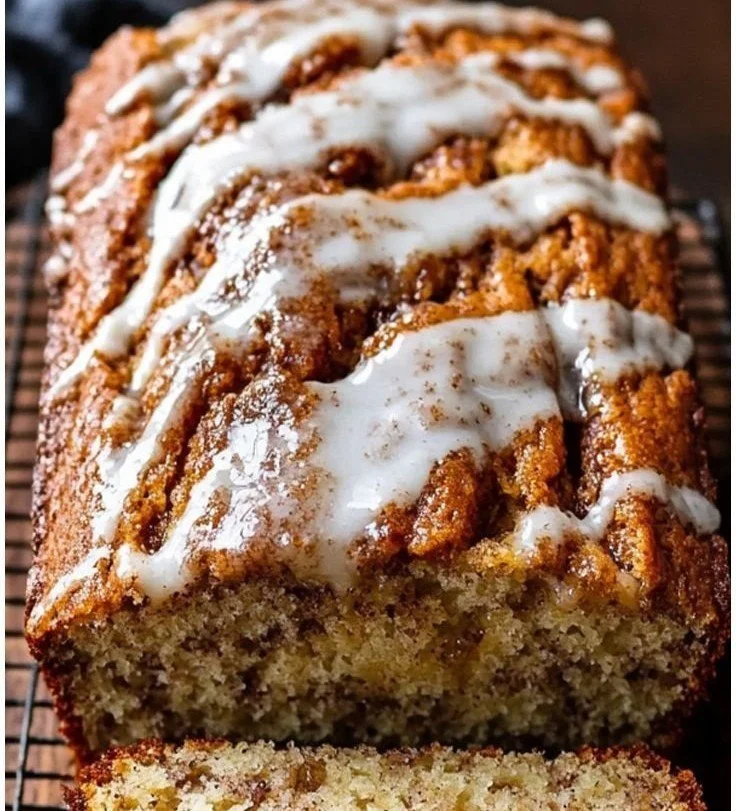
I grew up watching a neighbor mix a few simple pantry staples into a loaf that always came out soft, slightly sweet, and perfect for buttering. This Amish bread recipe is that kind of everyday comfort: straightforward, forgiving, and ideal when you want fresh homemade bread without fuss. If you like sweet quick-bread variations, you might also enjoy this take on Amish apple fritter bread for a brunch twist.
Why you’ll love this dish
This version of Amish bread is great because it’s:
- Pantry-friendly: common ingredients you probably already have.
- Fast for yeast bread: two short rises and minimal kneading.
- Kid-approved: soft crumb and mild sweetness make it lunchbox-friendly.
- Versatile: serves as sandwich bread, toast, or a buttery dinner side.
“We made this for Sunday dinner — the kids asked for seconds and we used it all week for toast. Simple, reliable, and better than store bread.” — a quick reader review
If you want similar cozy-bread ideas with a different flavor profile, check out this Amish apple fritter bread variation that swaps in warm spices and fruit.
How this recipe comes together
Before you begin: you’ll activate yeast in warm water with sugar, mix in oil and salt, then add flour to form a soft dough. Knead briefly, let it rise until doubled, shape into a loaf, proof again, and bake at 350°F (175°C) for about 30–35 minutes. Expect about 1 hour 30 minutes total including rises; most of that is hands-off.
A quick note: this loaf is meant to be tender and slightly sweet — the richness comes from the oil (and the optional egg), not heavy buttering.
What you’ll need
- 4 cups all-purpose flour (substitute up to 1 cup whole wheat for a denser loaf)
- 1 cup warm water (about 105–115°F / 40–46°C; too hot can kill yeast)
- 1/4 cup sugar (honey or maple syrup can be used, reduce liquid slightly)
- 2 tablespoons active dry yeast (or use 1 tablespoon instant yeast; adjust activation)
- 1 teaspoon salt
- 1/4 cup vegetable oil (neutral-tasting; melted butter gives more flavor)
- 1 egg (optional — for a richer crumb and golden crust; use an egg wash if desired)
For alternative breads with similar technique and different flavors, you might like this version with cinnamon and apple.
Step-by-step instructions

- Warm the water to about 105–115°F and stir in the sugar until dissolved. Sprinkle the active dry yeast over the top and let it sit 8–10 minutes until foamy.
- Stir in the salt and vegetable oil until combined.
- Add most of the flour, then mix with a wooden spoon or your hands until a soft dough forms. Add remaining flour a little at a time only if the dough is too sticky.
- Turn the dough onto a lightly floured surface and knead for about 5 minutes until smooth and slightly elastic.
- Place the dough in a greased bowl, turning once to coat the surface. Cover with plastic wrap or a kitchen towel and let rise in a warm spot for about 1 hour, or until doubled in size.
- Punch down the dough to deflate, shape it into a loaf, and place it into a greased 9×5-inch bread pan.
- Cover and let rise again for about 30 minutes, until puffy and nearly doubled.
- Preheat the oven to 350°F (175°C). If using, brush the top with a beaten egg for shine.
- Bake 30–35 minutes until golden brown and the loaf sounds hollow when tapped — or measures 190–200°F (88–93°C) internal temperature.
- Remove from the pan and cool on a rack before slicing to set the crumb.
If you prefer a simpler method or a different baking appliance, this technique pairs well with a bread machine for mixing and first rise — see more tips below and a complementary variation at a related recipe.
Best ways to enjoy it
- Warm slices with salted butter and a sprinkle of flaky sea salt.
- For breakfast, toast and top with jam, peanut butter, or ricotta and honey.
- Use for classic deli sandwiches — it holds fillings without crumbling.
- Make French toast the next morning: richer crumb soaks custard beautifully.
- For dinner, serve alongside soup or a hearty stew to sop up juices.
Storage and reheating tips
- Room temperature: store wrapped in a bread bag or airtight container for up to 3 days.
- Refrigeration: avoid refrigerating — it dries bread faster. Freeze instead.
- Freezing: slice and freeze in a zip-top bag for up to 3 months. Thaw slices in the fridge or toast from frozen.
- Reheating: refresh slices in a toaster or warm whole loaves at 325°F for 10–12 minutes, loosely covered with foil.
- Food safety: discard if you see mold or an off smell. Homemade bread without preservatives doesn’t last as long as store-bought.
Pro chef tips
- Water temperature matters: 105–115°F wakes yeast without killing it. If you don’t have a thermometer, the water should feel warm but not hot to the touch.
- Flour measurement: spoon flour into your measuring cup and level it — packing flour makes a heavy loaf.
- Kneading: 5 minutes is enough for this soft dough; over-kneading can make it tight and chewy.
- Proofing environment: proof in an oven with just the light on, or place the bowl on top of a warm (not hot) stove.
- Test for doneness: use an instant-read thermometer (190–200°F internal) or tap the bottom for a hollow sound.
- Optional egg: adds richness and a shinier crust; brush on before baking.
For a variation that swaps in fruit and spices but uses the same hands-off approach, try this creative riff at Amish apple fritter bread.
Creative twists
- Cinnamon-swirl: roll out dough, spread melted butter and cinnamon sugar, roll into a loaf and bake.
- Savory herb-cheese: stir 1/2–3/4 cup shredded cheddar and 1 tbsp chopped fresh herbs into dough for a dinner loaf.
- Whole-wheat swap: replace 1–2 cups of flour with whole-wheat flour and add a tablespoon more water if needed.
- Sweet upgrade: brush warm slices with butter and sprinkle with cinnamon sugar for an easy dessert toast.
Helpful answers
Q: Can I use instant yeast instead of active dry yeast?
A: Yes. Reduce the yeast by about half (use 1 tablespoon instant) and mix it directly with the flour — skip the proofing step for activation. Keep an eye on rise times; they may be faster.
Q: How do I know the bread is fully baked?
A: The crust should be golden brown, the loaf should sound hollow when tapped on the bottom, or read 190–200°F with an instant-read thermometer.
Q: Can I make this dough ahead of time?
A: Yes. After the first rise, you can refrigerate the dough (covered) for up to 24 hours — bring it to room temperature, punch down, shape, and continue with the final proof and bake.
Q: Is the egg necessary?
A: No — the egg is optional. It adds richness and helps brown the crust if used as a wash, but the bread is perfectly good without it.
Conclusion
If you want a classic baseline, the Allrecipes Amish White Bread is a dependable reference that mirrors the simple techniques here. For the sweeter friendship-bread tradition and starter-based variations, the Friendship Bread Kitchen’s Amish Friendship Bread page explains the history and the starter approach. If you prefer a video guide and a no-starter recipe, Lil’ Luna’s Amish Friendship Bread {No Starter Required!} + VIDEO walks through each step. For a beginner-friendly baking video focused on a soft Amish white loaf, Feast and Farm’s Soft Amish White Bread (Video) is a great visual companion.
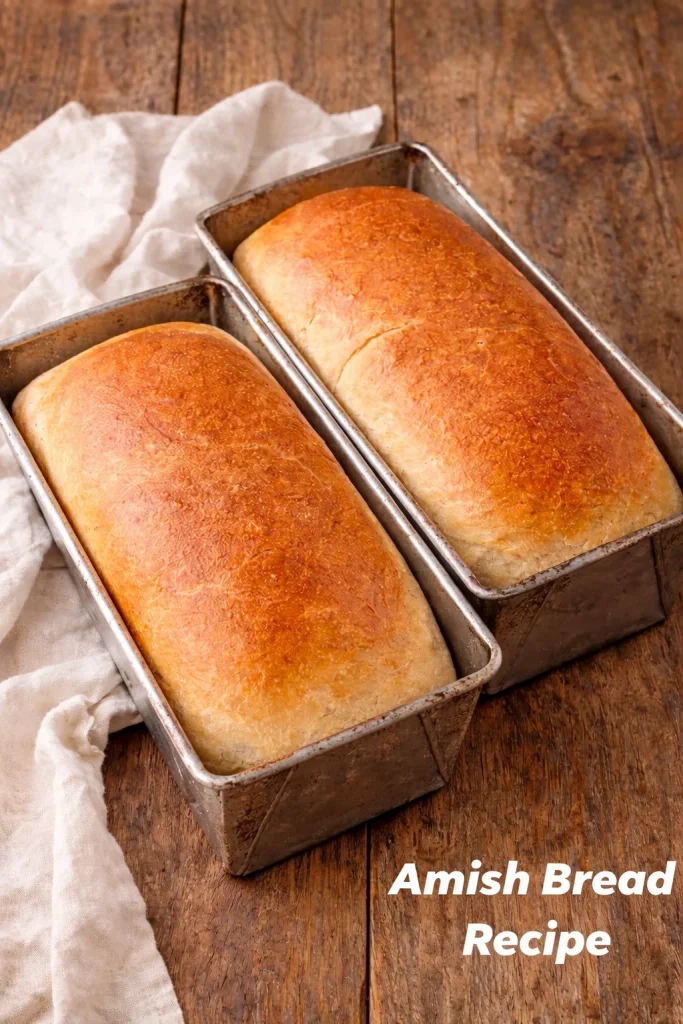
Amish Bread
Ingredients
Method
- Warm the water to about 105–115°F and stir in the sugar until dissolved. Sprinkle the active dry yeast over the top and let it sit for 8–10 minutes until foamy.
- Stir in the salt and vegetable oil until combined.
- Add most of the flour, then mix with a wooden spoon or your hands until a soft dough forms. Add remaining flour a little at a time only if the dough is too sticky.
- Turn the dough onto a lightly floured surface and knead for about 5 minutes until smooth and slightly elastic.
- Place the dough in a greased bowl, turning once to coat the surface. Cover with plastic wrap or a kitchen towel and let rise in a warm spot for about 1 hour, or until doubled in size.
- Punch down the dough to deflate, shape it into a loaf, and place it into a greased 9x5-inch bread pan.
- Cover and let rise again for about 30 minutes, until puffy and nearly doubled.
- Preheat the oven to 350°F (175°C). If using, brush the top with a beaten egg for shine.
- Bake for 30–35 minutes until golden brown and the loaf sounds hollow when tapped — or measures 190–200°F internal temperature.
- Remove from the pan and cool on a rack before slicing to set the crumb.