DANDELION JELLY RECIPE

The Charm of Homemade Dandelion Jelly
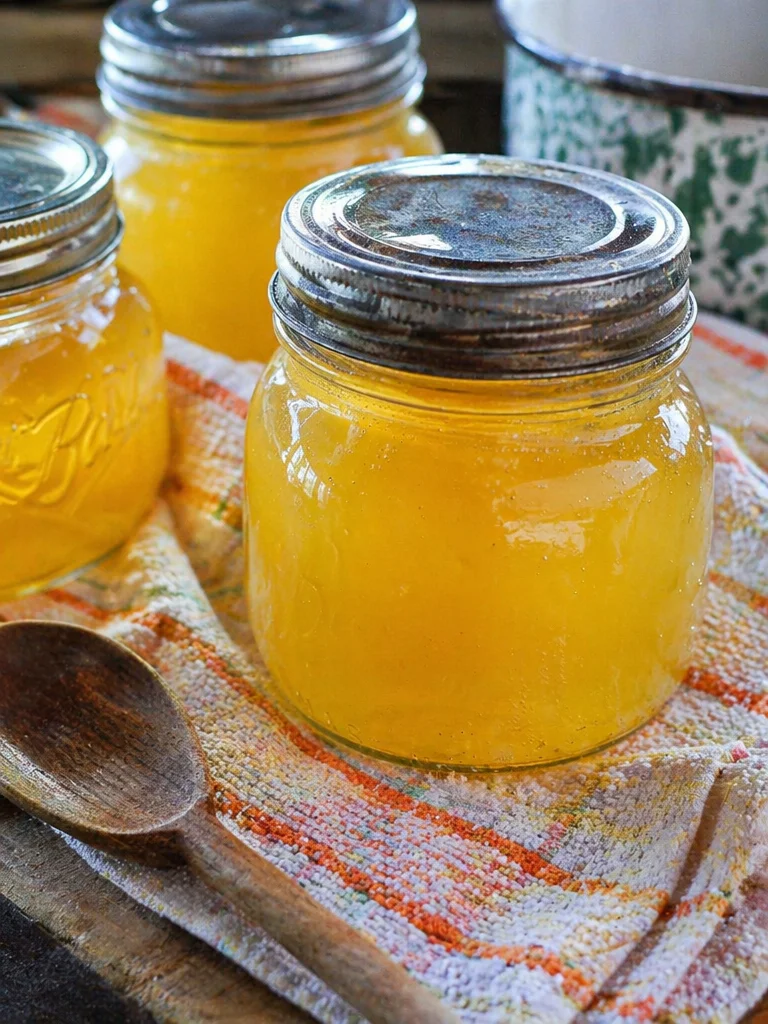
There’s something truly delightful about foraging and using wild ingredients in your kitchen. One of my favorite discoveries has been dandelion jelly, a vibrant, golden spread that not only brightens up your breakfast but also offers a unique taste profile reminiscent of honey. Making dandelion jelly is an art that combines nature’s bounty with a touch of tradition, and it’s a charming way to keep the flavors of spring alive all year long.
What Makes This Recipe Special
Why should you leap into making dandelion jelly? For one, it’s a wonderful way to utilize a common backyard flower in a fun and delicious way. If you’re looking for a budget-friendly recipe that’s also a talking point at brunch, this one hits the mark. Dandelion jelly is naturally sweet, beautiful, and packed with the essence of spring. Plus, it’s a great project to do with kids, who will love plucking the petals and watching as they transform into something magical.
"I never knew dandelions could taste so good! This jelly has quickly become a family favorite for our weekend toasts!" – Emma R.
Step-by-Step Overview of Dandelion Jelly
Making dandelion jelly might sound intimidating, but it’s quite straightforward. This process involves steeping dandelion petals to create a fragrant tea, combining it with pectin and sugar, and finally canning it for storage. Here’s how the journey unfolds:

- Steep dandelion petals to create a fragrant "tea."
- Combine the tea with pectin and bring it to a rolling boil.
- Add sugar, boil again, and finally jar it.
Each step brings you closer to that golden jelly!
What You’ll Need

To make this luscious dandelion jelly, gather the following ingredients:
- 4 cups lightly packed dandelion petals
- 3 to 4 cups boiling water (see notes for details)
- 3 1/2 cups sugar
- 1 box of pectin (1.75 ounces)
While this is a straightforward list, be sure to choose your dandelions from a chemical-free zone to ensure safety and flavor.
Step-by-Step Instructions
Ready to make dandelion jelly? Let’s dive into the details:
- Begin by carefully separating the petals from the dandelion flowers. Fill a large mason jar loosely with the petals.
- Pour 3-4 cups of boiling water over the petals and let them steep for approximately 24 hours, shaking the jar occasionally to mix.
- After steeping, strain the mixture through a fine mesh sieve to collect your dandelion tea.
- Prepare your boiling water bath canner and sterilize your jars and lids.
- In a large pot, combine the dandelion tea and pectin, then bring to a rolling boil.
- Once boiling, add the sugar and stir until dissolved. Bring it back to a rolling boil, skimming off any foam.
- After achieving a boil that cannot be stirred down, allow it to boil for one minute and remove from heat.
- Carefully pour the jelly into hot, sterilized jars, leaving approximately 1 inch of headspace. Wipe the rims to ensure a good seal and apply the lids.
- Process the jars in the boiling water bath for ten minutes, ensuring the water covers the jars by at least 1 inch.
- Once processed, carefully remove the jars and let them sit undisturbed for 24 hours to set.
Best Ways to Enjoy Dandelion Jelly
The versatility of dandelion jelly is one of its best features. Spread it on toast for breakfast, use it as a filling in pastries, or pair it with cheese on a charcuterie board. You can even drizzle it over pancakes or yogurt for a sweet touch. The floral notes complement both sweet and savory dishes beautifully!
How to Store Your Jelly
Proper storage ensures you can enjoy your dandelion jelly for months. After sealing the jars, store them in a cool, dark place. Once opened, keep any leftover jelly in the refrigerator for up to a month. If you want to maximize your storage, this jelly can also be frozen—in a freezer-safe container, it will retain its delightful flavor for much longer.
Pro Chef Tips for Success
- Petal Selection: Choose fresh dandelion petals that are free from dirt and chemicals. The best flavor comes from vibrant, unwilted flowers.
- Steeping Time: Ensure you let the petals steep long enough—24 hours provides an optimal infusion for flavor.
- Foam Management: Skimming foam during boiling helps achieve a beautiful, clear jelly.
Creative Twists on Dandelion Jelly
Feel free to experiment with the base recipe! You can infuse different flavors, such as lemon zest or cinnamon, to give your jelly a unique twist. Or, for an herbal version, add a few sprigs of mint or lavender during the steeping process. Each variation offers a new taste experience you and your loved ones will enjoy!
Common Questions
How long does it take to make dandelion jelly?
From steeping to processing, expect the entire process to take a bit over 24 hours due to steeping time, but the hands-on time is minimal.
Can I use another type of sweetener?
Sure! While sugar is traditional, alternatives like honey or maple syrup can be experimented with, keeping in mind that it may alter the consistency.
Is it safe to eat dandelions?
Yes, as long as they’ve been sourced from a chemical-free area. Always ensure you harvest them from a clean environment.
Conclusion
Making dandelion jelly is not just a culinary adventure; it’s a journey into the flavors of springtime that you can savor all year long. Whether you’re spreading it on your morning toast or giving it as a homemade gift, this jelly is sure to impress. If you’re curious about different styles of jelly, check out the Dandelion Jelly recipe on Allrecipes. For additional insights into the art of jelly-making, Practical Self Reliance has some great tips available at this link. Lastly, if you’re wondering about flavors, explore whether Dandelion Jelly really tastes like honey by visiting Simply Canning. Happy jarring!
Dandelion Jelly
Ingredients
Method
- Begin by carefully separating the petals from the dandelion flowers. Fill a large mason jar loosely with the petals.
- Pour 3-4 cups of boiling water over the petals and let them steep for approximately 24 hours, shaking the jar occasionally to mix.
- After steeping, strain the mixture through a fine mesh sieve to collect your dandelion tea.
- Prepare your boiling water bath canner and sterilize your jars and lids.
- In a large pot, combine the dandelion tea and pectin, then bring to a rolling boil.
- Once boiling, add the sugar and stir until dissolved. Bring it back to a rolling boil, skimming off any foam.
- After achieving a boil that cannot be stirred down, allow it to boil for one minute and remove from heat.
- Carefully pour the jelly into hot, sterilized jars, leaving approximately 1 inch of headspace. Wipe the rims to ensure a good seal and apply the lids.
- Process the jars in the boiling water bath for ten minutes, ensuring the water covers the jars by at least 1 inch.
- Once processed, carefully remove the jars and let them sit undisturbed for 24 hours to set.