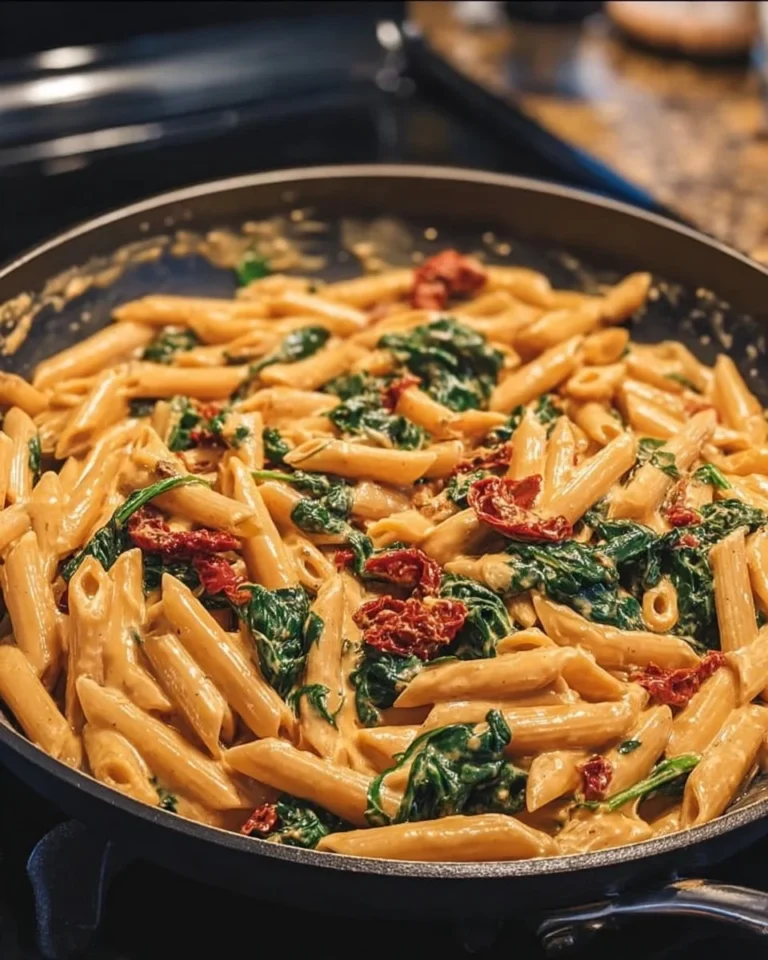
Italian Garlicky Pasta

I first learned this garlicky spaghetti from a friend who cooked it in under 15 minutes on a busy weeknight. It’s the sort of pasta that tastes like care and time even when you’ve got neither. Simple ingredients—pasta, lots of good olive oil, thinly sliced garlic and a pinch of red pepper—come together to make a bright, comforting plate. If you enjoy quick Italian pantry meals, you might also like 30-minute Italian sausage pasta for another speedy dinner option.
Why you’ll love this dish
This recipe is a masterclass in doing more with less. It’s fast (ready in about 15–20 minutes), inexpensive, and hits savory, slightly spicy, and aromatic notes with only a handful of ingredients. It’s also easily adaptable: add protein, vegetables, or a squeeze of lemon and you’ve got a new dinner every time.
“Quick, honest, and un-fussy — the kind of pasta you crave after a long day.” — a regular fan
Reasons to cook this at home:
- Speed: Ideal for weeknights or when you want something satisfying without planning.
- Pantry-friendly: No special shopping required; most kitchens already have these staples.
- Customizable: Make it mild for kids or amped-up for garlic lovers.
- Authentic comfort: This is the home-cook version of classic aglio e olio.
If you enjoy minimalist pasta plates, try pairing this approach with a richer slow-cooker comfort dish like 4-ingredient slow cooker creamy Italian pasta on days you want hands-off cooking.
Step-by-step overview
Before you start: bring a large pot of salted water to a rolling boil and prep your garlic and parsley. Here’s the short workflow so you know what to expect:
- Boil the pasta until al dente.
- While pasta cooks, gently infuse olive oil with minced garlic and red pepper flakes.
- Drain pasta, reserving a little pasta water.
- Toss pasta with the garlic oil, adjust seasoning, finish with parsley and optional Parmesan.
This overview keeps the hands-on time short and prevents the garlic from burning while the pasta finishes.
What you’ll need
- 200 g spaghetti or pasta of your choice (spaghetti keeps tradition; bucatini or linguine also work; use gluten-free pasta if needed)
- 4 cloves garlic, minced (increase to 6–8 if you love garlic)
- 1/4 cup high-quality olive oil (extra virgin for flavor; don’t use low-grade olive oil)
- 1/4 teaspoon red pepper flakes (more or less to taste)
- Salt to taste (for boiling water and final seasoning)
- Fresh parsley, chopped, for garnish (sub: basil for a sweeter herb note)
- Optional: grated Parmesan cheese (omit for a vegan version or swap for nutritional yeast)
Notes/substitutions inline:
- Olive oil: a neutral oil plus a knob of butter works if you prefer a silkier finish.
- Garlic form: thin slices give a different texture and blister nicely; minced disperses flavor more evenly.
- Add lemon zest for brightness (see variations).
Step-by-step instructions

Cooking the pasta
- Fill a large pot with water, salt it generously (it should taste like the sea), and bring to a boil.
- Add 200 g spaghetti and cook according to package instructions until al dente (usually 8–10 minutes).
- Before draining, scoop out 1/2 cup of the starchy pasta water and set aside. Drain the pasta.
Preparing the sauce
- While the pasta boils, heat 1/4 cup olive oil in a large skillet over medium-low heat.
- Add the minced garlic and 1/4 teaspoon red pepper flakes. Cook gently, stirring, for 1–2 minutes until the garlic is fragrant and just turning pale gold. Do not let it brown or it will taste bitter.
- Remove the skillet from heat briefly if the garlic starts to color too quickly; residual heat will continue to infuse the oil.
Combining
- Add the drained pasta to the skillet (or transfer the oil to the pasta pot), pour in a few tablespoons of reserved pasta water, and toss vigorously to coat. Add more pasta water a little at a time to create a silky emulsion.
- Taste and season with salt. Finish with chopped parsley and a sprinkling of grated Parmesan if using.
- Serve immediately so the sauce clings to the hot pasta.
Keep steps short and move steadily—timing matters to avoid overcooked garlic or clumped pasta.
Best ways to enjoy it
This pasta is brilliant solo, but you can elevate it in many simple ways:
- Plate it in a shallow bowl for a restaurant feel, twirling with a fork and spoon.
- Add grilled shrimp or thinly sliced, sautéed chicken for protein.
- Serve with a crisp green salad and crusty bread to mop up the garlic oil.
- For a summer touch, top with halved cherry tomatoes and extra basil.
A lovely companion when serving: a light white wine like Pinot Grigio or a chilled sparkling water with lemon. If you want a warm, slow-cooked side on the same night, consider making a comforting tomato pasta in the slow cooker like 4-ingredient slow cooker Italian tomato pasta for another option on rotation.
Storage and reheating tips
- Refrigerating: Cool leftovers to room temperature and store in an airtight container in the fridge for up to 3 days.
- Reheating: Rewarm gently in a skillet over low heat with a splash of water or olive oil to re-emulsify the sauce. Microwaving is okay; add a teaspoon of water and heat in short bursts to avoid drying.
- Freezing: Not ideal—garlic oil and parsley textures change after freezing. If you must, freeze plain cooked pasta without parsley for up to 1 month and reheat thoroughly.
- Food safety: Do not leave cooked pasta at room temperature for more than 2 hours. Reheat leftovers to 165°F (74°C) when possible.
Pro chef tips
- Reserve pasta water: The starchy water is your secret emulsifier. Add gradually until the sauce coats each strand.
- Low and slow garlic: Cook garlic over medium-low heat so it softens without browning. Browned garlic tastes bitter and sharp.
- Timing: Start the sauce when the pasta goes in the water. That way everything finishes together.
- Aggressive seasoning: Salt the pasta water well. The pasta itself needs seasoning since the sauce is light.
- Texture: For a silkier finish, add one tablespoon of butter or a tablespoon of olive oil off the heat and toss just before serving.
Creative twists
- Lemon garlic pasta: Finish with a tablespoon of lemon juice and zest for brightness.
- Anchovy boost: Melt a minced anchovy into the oil for an umami depth.
- Veg-forward: Toss in sautéed spinach, peas, or roasted cherry tomatoes.
- Protein add-ins: Sliced Italian sausage, shrimp, or crispy pancetta all pair beautifully.
- Vegan swap: Omit Parmesan and use toasted breadcrumbs for a crunchy, savory topping.
Your questions answered
Q: How long does this take to make?
A: About 15–20 minutes start to finish if your water is already boiling. Active hands-on time is closer to 10 minutes.
Q: Can I make this without garlic (or less garlic)?
A: Yes. Reduce the garlic or use roasted garlic for a milder, sweeter profile.
Q: Is this spicy?
A: It’s subtly spicy from the red pepper flakes. Adjust from 0 to 1/2 teaspoon depending on your tolerance.
Q: Can I prepare this ahead of time?
A: Prepare the garlic oil and cook the pasta ahead, but toss them together just before serving for the best texture. Reheat gently as described above.
Q: Why did my garlic taste bitter?
A: Garlic turns bitter when it browns or burns. Keep the heat low and remove from direct heat if it starts to color.
Conclusion
This Italian garlicky pasta is proof that pantry ingredients can make a memorable meal when handled with care—attention to timing, good olive oil, and a little reserved pasta water. For historical context and a classic take on the same flavor profile, read this piece on Aglio, olio e peperoncino (Pasta with Garlic, Oil and Hot Pepper). If you want a parsley-forward traditional approach, this write-up on Pasta with Garlic, Olive Oil, and Parsley is a great reference. For a lemony variation you can try later, here’s a useful recipe for Lemon Garlic Pasta (Pasta Al Limone).

Garlicky Spaghetti
Ingredients
Method
- Fill a large pot with water, salt it generously, and bring to a boil.
- Add the spaghetti and cook according to package instructions until al dente, usually about 8–10 minutes.
- Before draining, scoop out 1/2 cup of the starchy pasta water and set aside. Then, drain the pasta.
- While the pasta boils, heat 1/4 cup olive oil in a large skillet over medium-low heat.
- Add the minced garlic and red pepper flakes. Cook gently, stirring, for 1–2 minutes until fragrant and just turning pale gold. Do not let it brown.
- Remove the skillet from heat briefly if the garlic starts to color too quickly.
- Add the drained pasta to the skillet, pour in a few tablespoons of reserved pasta water, and toss vigorously to coat.
- Add more pasta water a little at a time until you achieve a silky emulsion.
- Taste and season with salt. Finish with chopped parsley and a sprinkling of grated Parmesan if using.
- Serve immediately so the sauce clings to the hot pasta.