Earthquake Cake

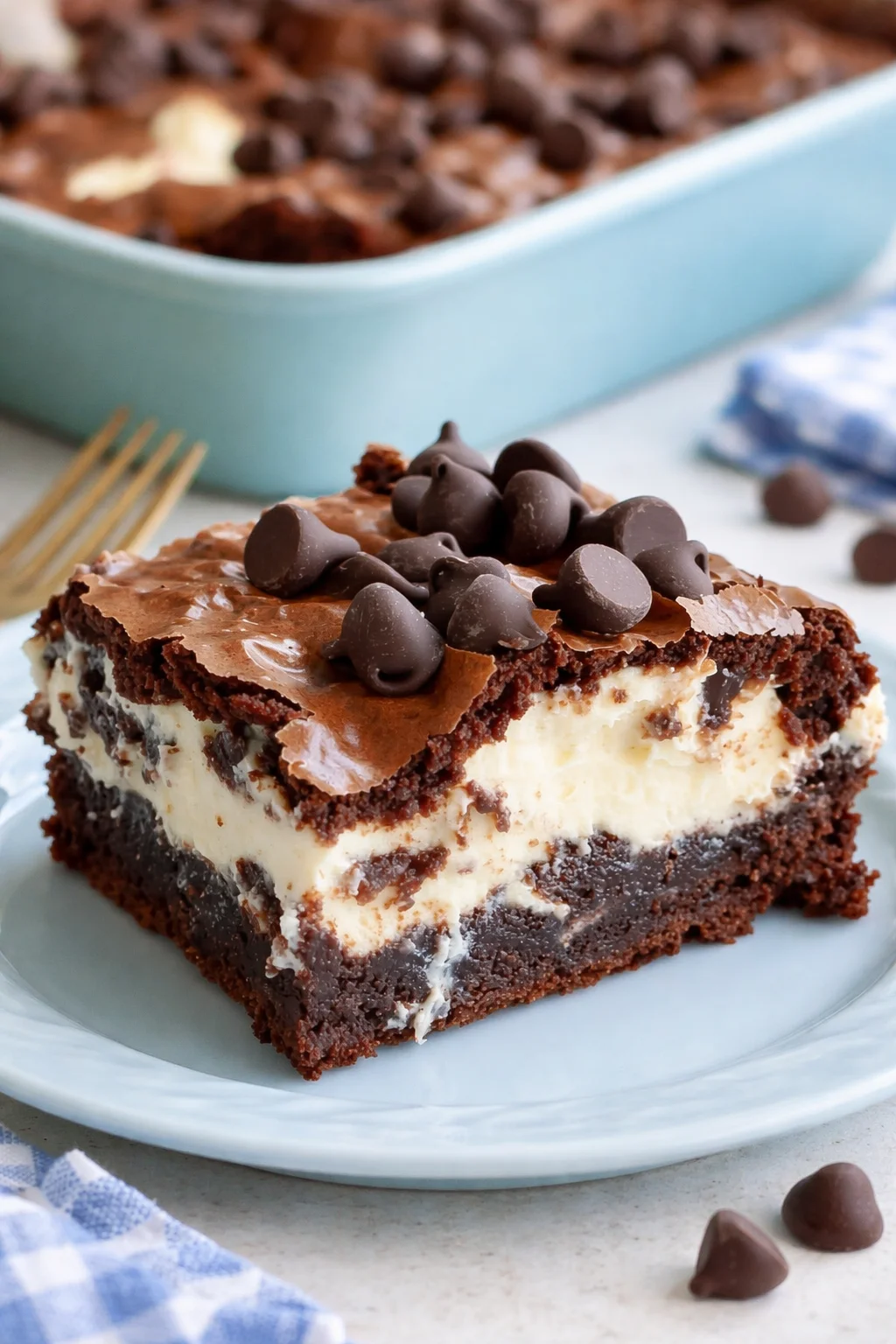
I grew up with a version of earthquake cake that showed up at potlucks and holiday tables—rich chocolate cake base, pockets of tangy cream cheese, chewy coconut, and crunchy pecans. It’s an easy, crowd-pleasing dessert that looks fancy because of the marbled cream cheese and the “cracked” top that gives it the playful name. If you want a quick, nostalgic bake that feeds a crowd and travels well to gatherings, this is the one I reach for most; you can also compare other takes on this classic if you want more inspiration: a full Earthquake Cake write-up.
Why you’ll love this dish
Earthquake cake checks a lot of boxes: it’s simple to make, uses a boxed cake mix for speed, and finishes with a textured topping that feels homemade and indulgent. Families love it because kids enjoy the contrast of gooey cream cheese and coconut against chocolate cake, while hosts appreciate that it’s easy to scale and holds up well at room temperature for parties.
"Every bite balances chocolate, tang, and crunch—like a celebration inside a single pan." — a potluck regular
This cake is perfect for holidays, potlucks, or any time you want an impressive dessert without a long ingredient list.

How this recipe comes together
Before you bake, here’s the high-level flow so you know what to expect:
- Make a quick batter from the boxed mix (eggs, oil, water).
- Spread the batter in a greased 9×13-inch pan.
- Whip a soft cream cheese mixture and drop spoonfuls over the batter.
- Swirl lightly so you get marbling and pockets of cream cheese.
- Top with shredded coconut and chopped pecans.
- Bake until set and slightly crackled on top, then cool and slice.
The whole process is straightforward and requires only one pan and a bowl for the cream cheese filling, which keeps cleanup minimal.
What you’ll need
- 1 box chocolate cake mix — the shortcut that keeps this recipe fast and consistent.
- 3 large eggs — for structure and moisture.
- 1/2 cup vegetable oil — keeps the cake tender; can substitute light olive oil or melted coconut oil.
- 1 cup water — to hydrate the mix and make a smooth batter.
- 8 oz cream cheese, softened — room temperature ensures you can beat it smooth for pretty swirls.
- 1 cup powdered sugar — sweetens the cream cheese mixture without graininess.
- 1 cup shredded coconut — sweetened or unsweetened both work; unsweetened reduces overall sweetness.
- 1 cup chopped pecans — toast them briefly for extra flavor.
Note: if you’re curious about why the top cracks and looks earthquake-like as it bakes, this page explains how the structure develops during baking and why those crevices form: how the cake cracks during baking.
Step-by-step instructions

Preparation
- Preheat oven to 350°F (175°C). Grease a 9×13-inch baking pan or line it with parchment for easier removal.
- Soften the cream cheese to room temperature so it blends smoothly.
Making the Cake
3. In a mixing bowl, combine the chocolate cake mix, 3 large eggs, 1/2 cup vegetable oil, and 1 cup water. Beat with a hand mixer or whisk until smooth, about 30–60 seconds.
4. Pour and spread the batter evenly into the prepared 9×13 pan.
Preparing the Cream Cheese Swirls
5. In a separate bowl, beat 8 oz softened cream cheese with 1 cup powdered sugar until smooth and lump-free. Don’t overbeat; you want it spreadable.
6. Drop tablespoon-sized dollops of the cream cheese mixture over the cake batter, leaving small gaps so the batter peaks through.
Adding Toppings
7. Evenly sprinkle 1 cup shredded coconut and 1 cup chopped pecans over the top. Press lightly—don’t push the cream cheese completely into the batter. (If you prefer, fold half the nuts into the batter for extra crunch in every bite.)
Baking
8. Bake at 350°F for 35–45 minutes. Check at 35 minutes: the cake should be set at the center but still moist. A toothpick inserted near the center should come out mostly clean with a few moist crumbs. The top will develop cracks and browned coconut edges.
Cooling and Serving
9. Cool the cake on a rack for at least 20–30 minutes so the cream cheese sets slightly. Serve warm or at room temperature. Leftovers are excellent chilled.
If you want to try a nutty spin on the same method, there’s a popular peanut butter twist you can explore for inspiration: a peanut butter Earthquake Cake variation.
Best ways to enjoy it
- Serve slightly warm with a scoop of vanilla ice cream or a dollop of whipped cream for contrast.
- For brunch, cut into small squares and plate alongside coffee or a lightly sweetened latte.
- At potlucks, lay slices on a platter and garnish with extra toasted pecans for presentation.
- Pair with fresh berries to cut through the richness.
How to store & freeze
- Refrigerate: Because of the cream cheese, store leftovers in an airtight container in the fridge. They’ll keep well for 3–4 days.
- Freeze: Wrap individual slices in plastic wrap and store in a freezer-safe container up to 2 months. Thaw in the refrigerator overnight.
- Reheat: Warm slices at 300°F (150°C) for 8–10 minutes or microwave a single slice for 15–25 seconds if you want it warm—watch closely so the cream cheese doesn’t overheat.
- Food safety: Do not leave cut cake with cream cheese at room temperature for more than 2 hours.
Pro chef tips
- Soften cream cheese fully. Cold lumps will make uneven pockets and prevent smooth swirls.
- Don’t overmix the cake batter once you add eggs and oil; mix until combined to avoid a dense cake.
- Toast the pecans for 5–7 minutes at 350°F before chopping—this amplifies flavor.
- If your coconut browns too much before the cake is done, tent loosely with foil for the last 10 minutes.
- Use powdered sugar in the cream cheese so it dissolves smoothly; granulated sugar can be a little gritty.
Creative twists
- Nut-free: Replace pecans with toasted sunflower seeds for crunch.
- Tropical: Add diced pineapple (drained) into the batter for extra tropical flair.
- Frosting swap: For a lighter finish, skip powdered sugar in the cream cheese and top with a lightly sweetened whipped cream after cooling.
- Gluten-free: Use a gluten-free chocolate cake mix and confirm coconut/pecan sources are GF.
- From-scratch: Use your favorite chocolate cake recipe in place of the box mix for a deeper chocolate profile.
Your questions answered
Q: How long does this take from start to finish?
A: Active prep is about 15–20 minutes. Baking takes 35–45 minutes and cooling 20–30 minutes, so plan roughly 1.5 to 2 hours total.
Q: Can I make this without coconut or nuts for allergies?
A: Yes. Omit coconut and pecans and replace with toasted oats or a crumb topping. If serving guests, label the dish to indicate it’s nut-free.
Q: Can I use low-fat cream cheese?
A: You can, but full-fat gives a creamier swirl and better texture. Low-fat may be slightly runnier—chill the cream cheese filling briefly before dolloping if using low-fat.
Q: Is this safe to leave on a buffet table?
A: Because of the cream cheese, do not leave it out for longer than 2 hours at room temperature. Keep leftovers refrigerated.
Conclusion
If you want another cream cheese–layered version with helpful photos and tips, check out Earthquake Cake With a Cream Cheese Layer – The First Year for inspiration. For a classic presentation and variations, Classic Earthquake Cake – 12 Tomatoes has a clear step-through. And if you’re exploring multiple family recipes to compare textures and toppings, Earthquake Cake Recipe | Small Town Woman is another solid resource.
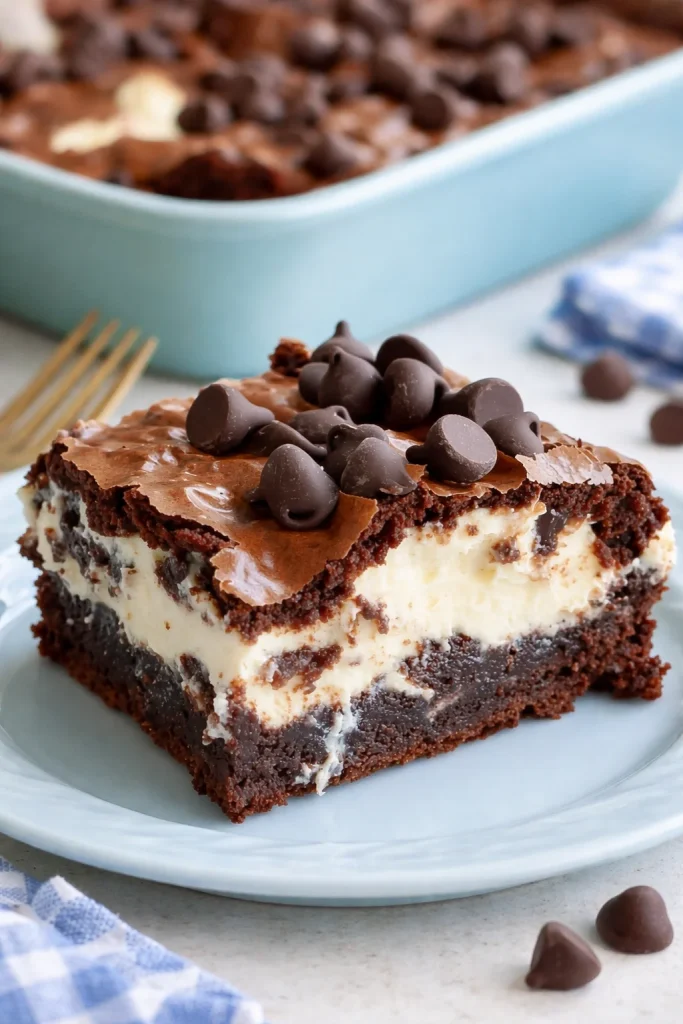
Earthquake Cake
Ingredients
Method
- Preheat oven to 350°F (175°C) and grease a 9×13-inch baking pan.
- Soften the cream cheese to room temperature.
- In a mixing bowl, combine the chocolate cake mix, eggs, vegetable oil, and water. Beat until smooth, about 30–60 seconds.
- Pour and spread the batter evenly into the prepared pan.
- In a separate bowl, beat softened cream cheese with powdered sugar until smooth.
- Drop tablespoon-sized dollops of the cream cheese mixture over the batter.
- Evenly sprinkle shredded coconut and chopped pecans over the top and press lightly.
- Bake at 350°F for 35–45 minutes. The center should be set but still moist.
- Cool the cake on a rack for at least 20–30 minutes. Serve warm or at room temperature.