Dinner Rolls

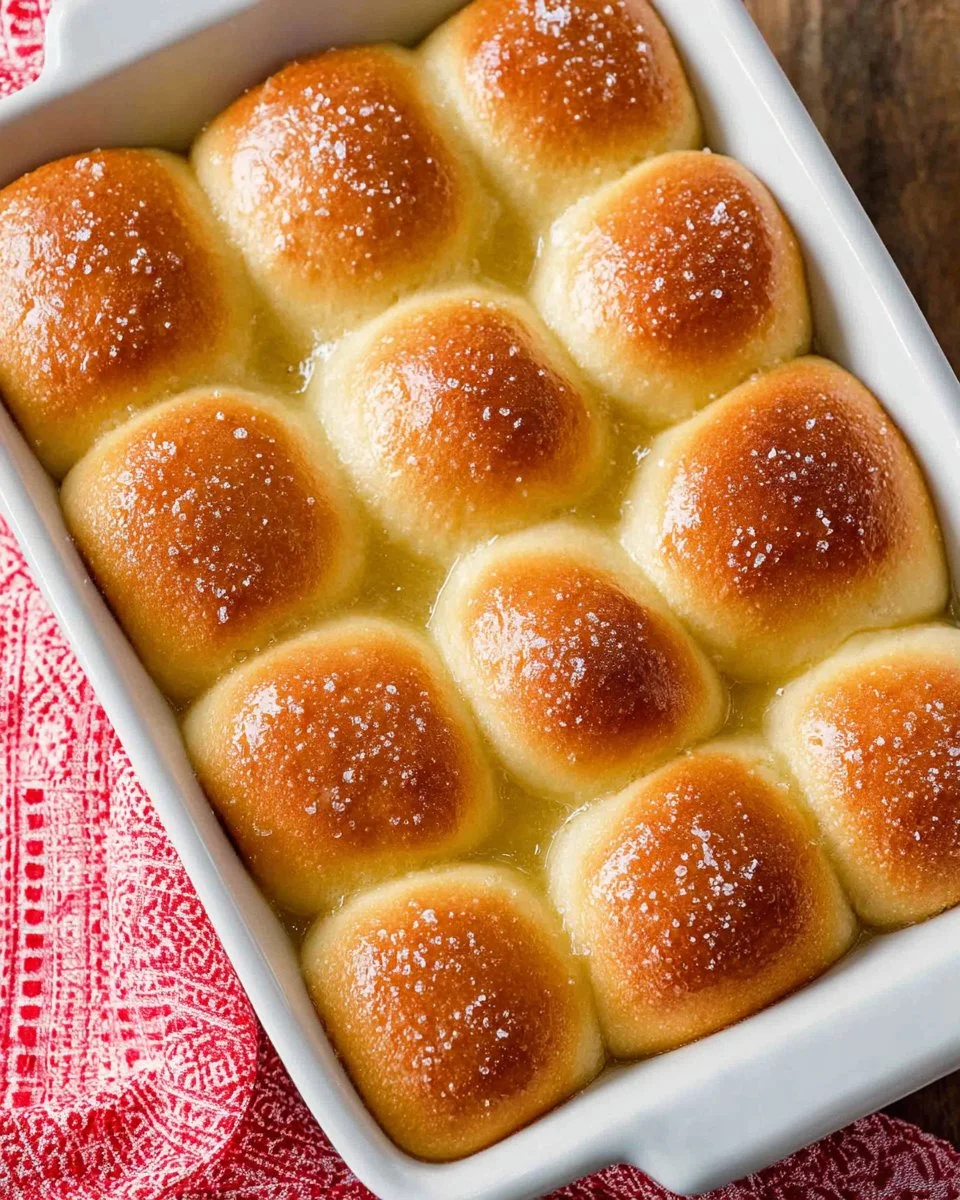
I’ve made these classic, pillowy dinner rolls more times than I can count—soft crumb, buttery tops, and the kind of brown-golden crust everyone fights over at the table. They’re an easy, comforting addition to weeknight dinners, Sunday roasts, and holiday spreads, and the method is forgiving enough for a home baker who isn’t afraid to get their hands a little floury. If you want a quick contrast, try a tiny shortcut version like the two-ingredient dinner roll shortcut for busy nights, but read on for the classic, reliably tender recipe below.
Why you’ll love this dish
These rolls are the kind of thing people search for when they want bakery-level softness without complicated techniques. They rise twice for a light interior, use simple pantry staples, and finish with melted butter so every bite tastes rich without being heavy. They’re kid-approved, great for feeding a crowd, and easy to scale up.
“We served these at Thanksgiving and everyone asked for seconds—soft inside, perfectly browned, and irresistibly buttery.” — a satisfied home baker
They’re perfect when:

- You want warm, homemade bread for dinner.
- You need a reliable roll for holidays and potlucks.
- You want a soft roll that toasts well the next day.
Step-by-step overview
This recipe is straightforward: bloom yeast, mix dough, knead, let it double, shape into balls, proof again, and bake. Expect two rises (about 2–3 hours total active waiting time). You’ll switch from a whisk to a dough hook if using a mixer, or knead by hand for about 10 minutes.
What you’ll need
- 1 1/2 cup whole milk, warmed to 110°F (43°C) — warm, not hot, to wake the yeast
- 4 Tbsp unsalted butter, melted — plus 1 Tbsp more for brushing tops
- 1 Tbsp active dry yeast
- 1/3 cup granulated sugar (divided: 1 Tbsp for yeast bloom, rest for dough)
- 1 1/4 tsp fine sea salt
- 4 cups all-purpose flour (measure correctly; start with 4 cups minus 1–3 Tbsp)
- 1/2 tsp kosher salt (for sprinkling finished rolls)
Substitutions/notes:
- Milk: whole milk gives the best tenderness. You can use 2% or a non-dairy milk (almond/soy/oat), but texture will be slightly different.
- Yeast: active dry yeast is called for. If using instant yeast, use about 2 1/4 tsp and add directly to the flour; reduce proofing time slightly.
Step-by-step instructions

- Warm milk to 110°F. In the mixer bowl, whisk warm milk with 1 Tbsp of the sugar.
- Sprinkle the yeast over the milk. Let sit 1 minute, then whisk gently. Wait about 5 minutes until the yeast is foamy. If it doesn’t foam, the yeast may be dead—start over with fresh yeast.
- Add melted butter, the remaining sugar, and the 1 1/4 tsp salt to the yeast mixture. Whisk to combine.
- Add flour 1/2 cup at a time. When the dough becomes too stiff for a whisk, switch to the dough hook.
- Knead with the mixer on medium for 2 minutes, or knead by hand for about 10 minutes, until the dough is smooth, slightly tacky, and elastic. If it’s sticky, add the reserved 1–3 Tbsp flour a little at a time.
- Lightly oil a large bowl and place the dough inside. Cover tightly with plastic wrap. Let rise in a warm place for about 2 hours, or until doubled in size.
- Turn dough onto a lightly floured surface. Divide into 15–24 pieces depending on how large you want your rolls. Shape each piece into a smooth ball.
- Place rolls in an oiled baking dish with the seams facing down. Cover with plastic wrap and let rise another 30–60 minutes, until puffy.
- Preheat the oven to 375°F (190°C). Bake the rolls for 23–25 minutes, rotating the pan once if your oven runs hot, until golden brown on top.
- Brush the hot rolls with 1 Tbsp melted butter and sprinkle lightly with 1/2 tsp kosher salt. Cool slightly before serving.
Key ingredients
This dough relies on balanced ratios: milk and butter add fat and tenderness, sugar feeds the yeast and softens crust, and two rises build lightness. Be careful measuring the flour—too much makes dense rolls.
Best ways to enjoy it
Serve warm with extra melted butter, herb compound butter, or a smear of honey-butter. These rolls are perfect with:
- Roast chicken, turkey, or ham
- Stews and pot roasts — they soak up gravies beautifully
- A bread basket for brunch with jam and scrambled eggs
For a casual twist, split and fill them with pulled pork or sliders. If you want a crunchy finish, brush with egg wash before baking for a shinier, firmer crust.
You might also like a quick, different approach to handheld bread like the air-fryer pizza rolls for snack-time variety.
Storage and reheating tips
Short-term: Store cooled rolls in an airtight container or resealable bag at room temperature for up to 2 days. For longer storage, refrigerate up to 4 days but expect some loss of softness.
Freezing: Freeze cooled rolls on a tray until solid, then transfer to a freezer bag for up to 3 months. Reheat from frozen wrapped in foil at 325°F (160°C) for 10–15 minutes, or thaw overnight then warm for 5–10 minutes.
Reheating: Microwave a roll for 10–12 seconds wrapped in a damp paper towel for quick softness, or warm in a 350°F oven for 5–8 minutes. Always check that reheated rolls reach a safe temperature and serve hot.
Food safety: Let rolls cool before sealing in containers to avoid condensation and sogginess. Do not leave perishable fillings at room temperature longer than 2 hours.
Pro chef tips
- Measure flour correctly: spoon it into the cup and level with a knife, or use a kitchen scale (1 cup AP flour ≈ 120 g). The dough should be slightly tacky, not dry.
- Yeast proofing: Milk should be 105–115°F. Too hot kills yeast; too cool slows it. A quick thermometer saves guesswork.
- Windowpane test: If kneading by hand, check gluten by stretching a small piece—if it forms a thin translucent film, it’s ready.
- Warm proofing: For quick rises, place the covered dough in an oven with the light on, or over a warm stovetop. Avoid hot spots above 110°F.
- Even browning: Rotate the pan halfway through baking for consistent color. For softer tops, tent with foil in the last few minutes.
Creative twists
- Garlic-herb rolls: Mix 1–2 tsp garlic powder and 1 Tbsp chopped fresh herbs into the dough; brush with garlic butter after baking.
- Sweet dinner rolls: Add 2 Tbsp honey to the dough and a cinnamon-sugar butter glaze after baking.
- Whole wheat swap: Replace up to 1 cup of AP flour with whole wheat; add an extra Tbsp milk if needed.
- Slider size: Make 24–30 small rolls for party sliders; shorten baking time by 3–5 minutes.
- Cheese-stuffed: Press a small cube of cheese into each ball before rolling and baking for melty centers.
Your questions answered
Q: How long does this take start to finish?
A: Active hands-on time is about 30–40 minutes. With two rises, expect 2.5–3 hours total, depending on room temperature.
Q: Can I use instant yeast instead of active dry?
A: Yes. Use ~2 1/4 tsp instant yeast and add it directly to the flour mixture. You can skip the initial foam step, but letting the dough rest briefly still improves flavor.
Q: Can I make the dough ahead?
A: Yes. After kneading, refrigerate the dough in an oiled bowl, covered, for up to 24 hours. When ready, shape, proof, and bake. Cold fermentation deepens flavor but requires a longer second rise.
Q: Why subtract 1–3 Tbsp of the flour?
A: Flour absorption varies by brand and humidity. Holding back a few tablespoons prevents over-dry, dense rolls—add those tablespoons only if the dough is sticky.
Q: Is brushing with melted butter necessary?
A: It’s optional but recommended. Butter softens the crust, adds flavor, and helps any finishing salt or herbs stick.
Conclusion
If you want more inspiration or alternate methods for soft dinner rolls, check these trusted recipes: Sally’s reliable technique in Soft Dinner Rolls Recipe – Sally’s Baking Addiction, a crowd-pleasing variation at The BEST Dinner Rolls – Mom On Timeout, and a beloved classic from The Best Dinner Rolls of Your Life – Amateur Gourmet.
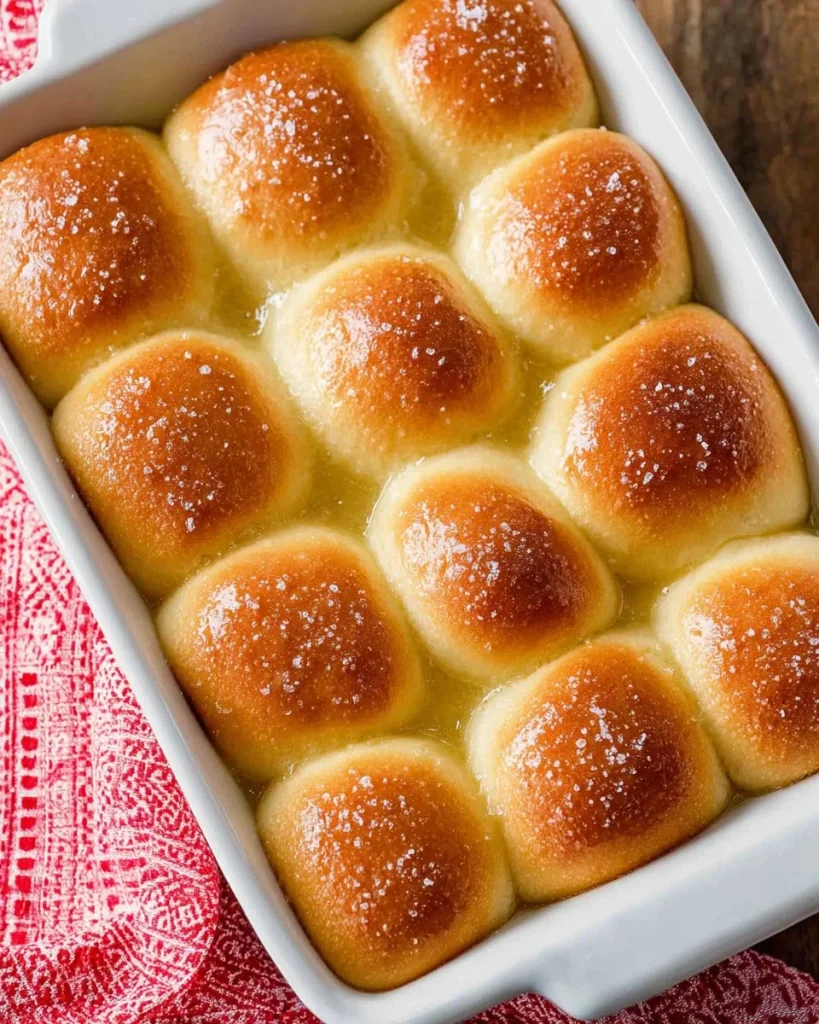
Classic Dinner Rolls
Ingredients
Method
- Warm milk to 110°F. In the mixer bowl, whisk warm milk with 1 Tbsp of sugar.
- Sprinkle the yeast over the milk. Let sit for 1 minute, then whisk gently. Wait about 5 minutes until the yeast is foamy.
- Add melted butter, the remaining sugar, and 1 1/4 tsp salt to the yeast mixture. Whisk to combine.
- Add flour 1/2 cup at a time. When the dough becomes too stiff for a whisk, switch to the dough hook.
- Knead with the mixer on medium for 2 minutes, or knead by hand for about 10 minutes until the dough is smooth, slightly tacky, and elastic.
- Lightly oil a large bowl and place the dough inside. Cover tightly with plastic wrap. Let rise in a warm place for about 2 hours, or until doubled in size.
- Turn dough onto a lightly floured surface. Divide into 15–24 pieces depending on how large you want your rolls.
- Shape each piece into a smooth ball. Place rolls in an oiled baking dish with the seams facing down.
- Cover with plastic wrap and let rise another 30–60 minutes, until puffy.
- Preheat the oven to 375°F (190°C). Bake the rolls for 23–25 minutes, rotating the pan once if your oven runs hot, until golden brown on top.
- Brush the hot rolls with the remaining 1 Tbsp melted butter and sprinkle lightly with 1/2 tsp kosher salt. Cool slightly before serving.