Spring Pasta

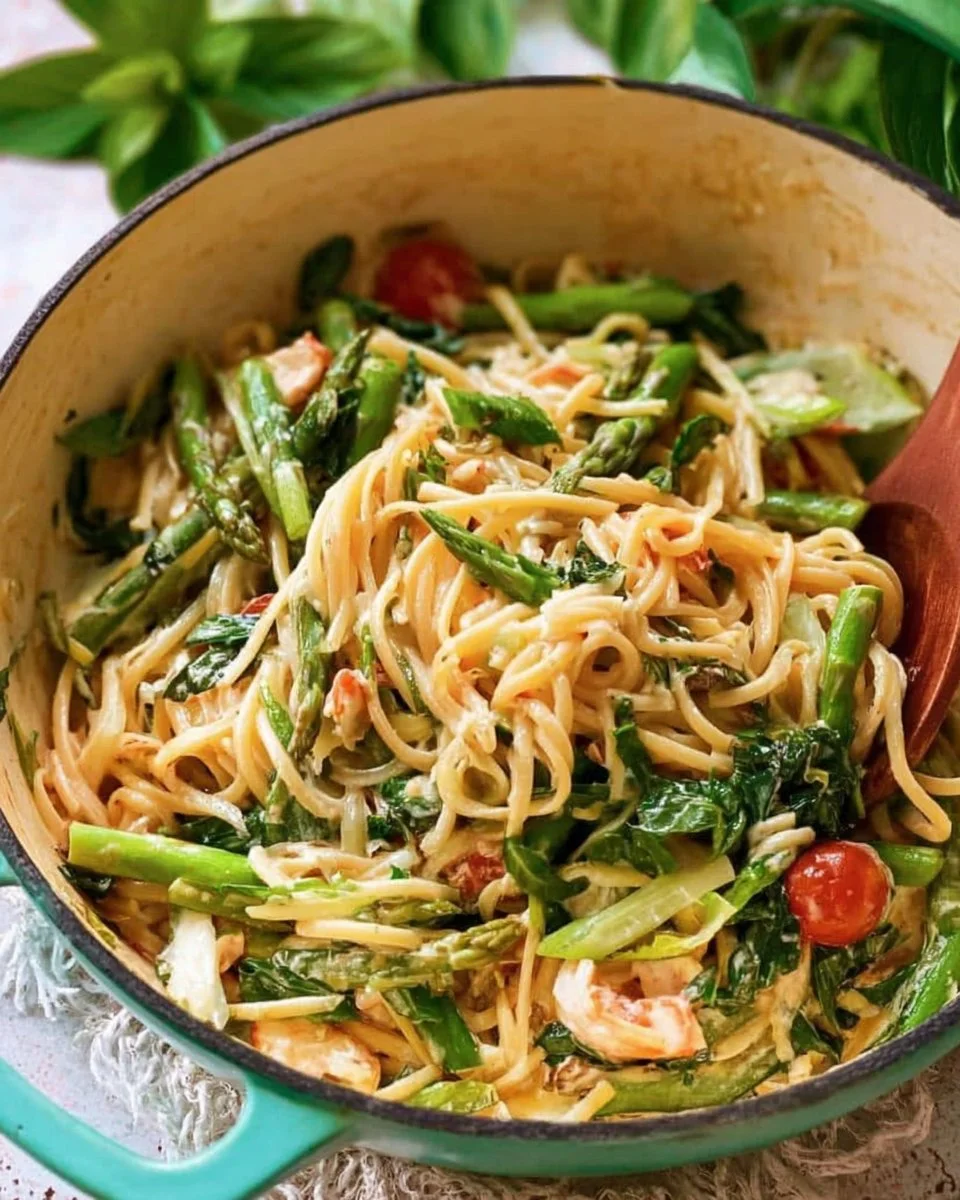
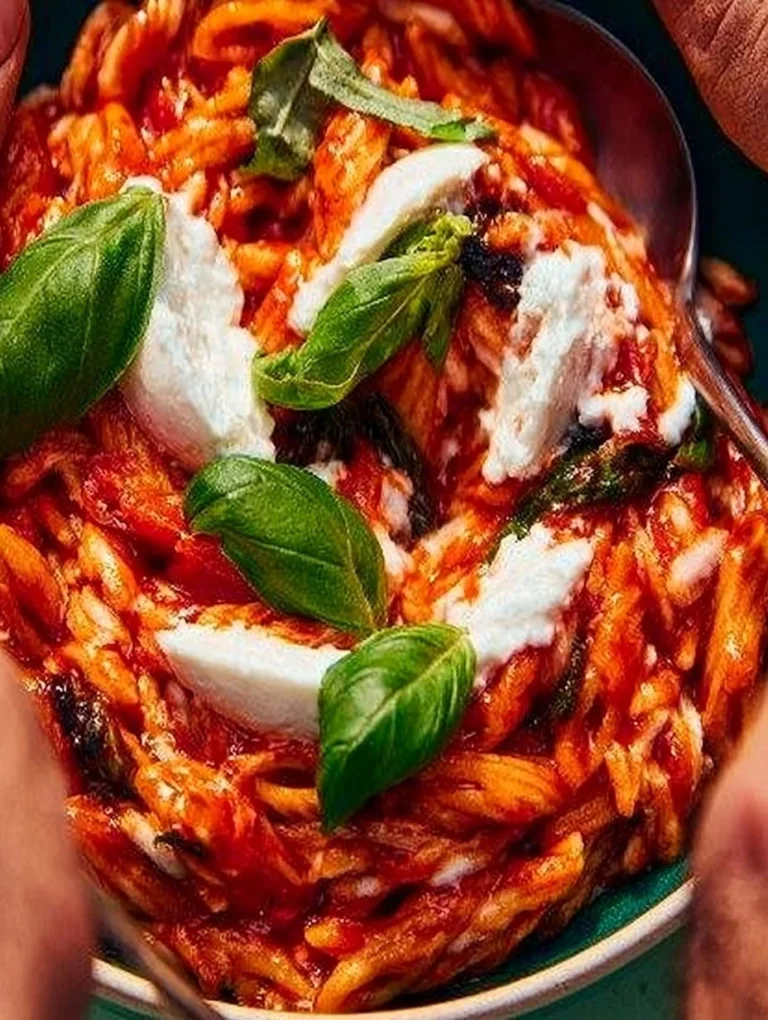
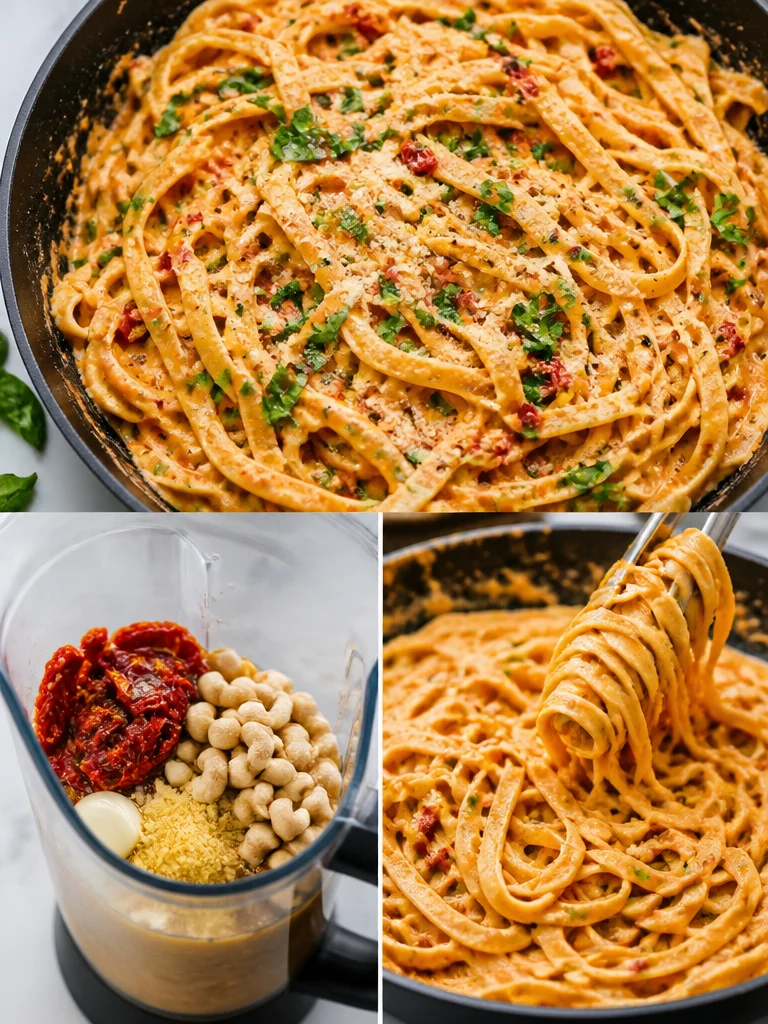
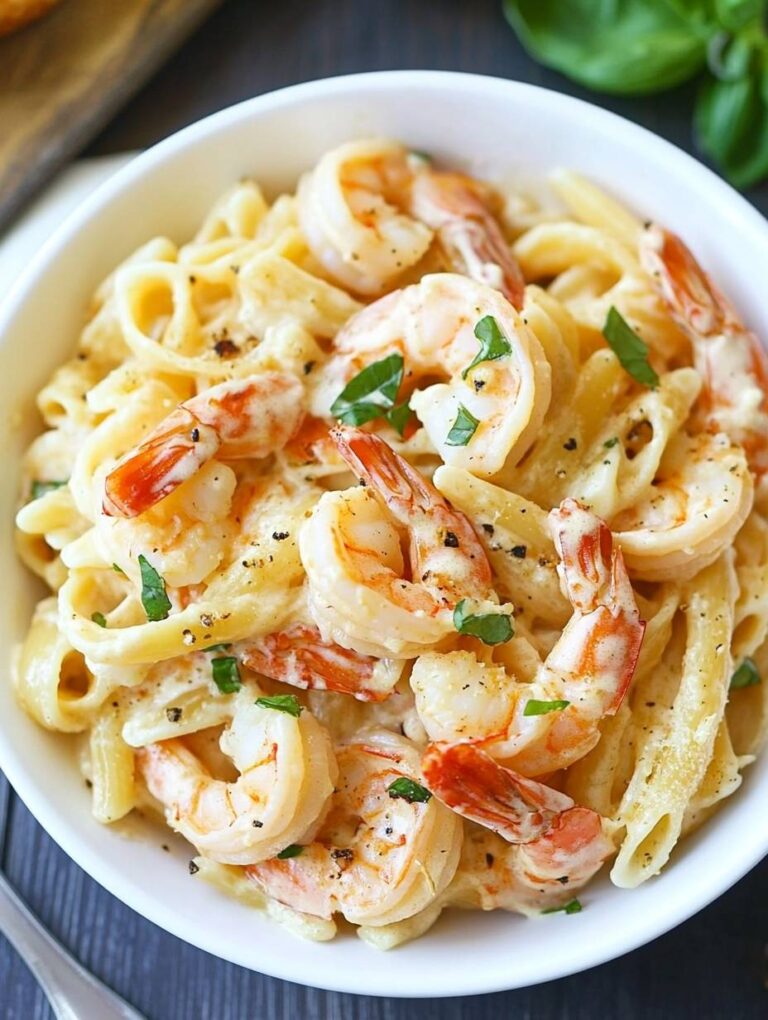
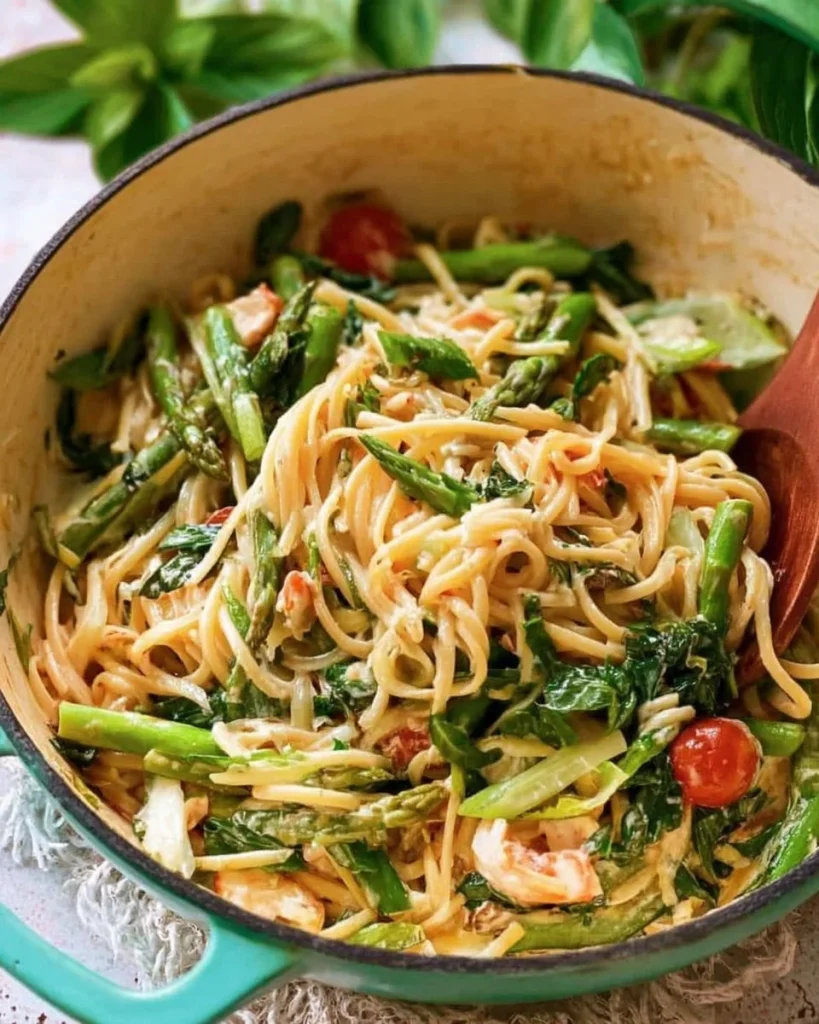
I’ve made this Spring Pasta more times than I can count when the market is full of green things — it’s a creamy, herb-bright linguine that sings of early summer. Bright cherry tomatoes, snap peas, tender asparagus and broccolini are swept into a silky cream and Parmigiano sauce, finished with basil and toasted pine nuts for crunch. It’s perfect for a quick weeknight that still feels celebratory.
If you like make-ahead, vegetable-forward pasta dishes, you might also enjoy this slow-cooker spinach pasta primavera for a hands-off alternative.
Why you’ll love this dish
This Spring Pasta is one of those rare dinners that manages to be indulgent and light at the same time. The cream and Parmigiano give the sauce richness, but the boatload of spring vegetables—zucchini, mushrooms, snow peas and asparagus—keeps every bite fresh and colorful. It’s fast, flexible and shows well when friends drop by.
"A weeknight dinner that looks like a celebration—creamy, herb-scented and loaded with spring vegetables." — home cook review
Reasons to make it:
- Quick: from boiling water to plate in about 25–30 minutes if your mise en place is ready.
- Seasonal: makes the most of spring produce.
- Family-friendly: mild, creamy flavors and tender pasta appeal to kids and adults alike.
- Flexible: swap ingredients for what’s in your fridge or to meet dietary needs.
Step-by-step overview
Before you begin, here’s what this recipe asks you to do, in plain terms:
- Prep: slice mushrooms, round-cut zucchini, halve tomatoes, trim broccolini and asparagus, mince garlic and shred basil.
- Boil: cook linguine (or fettuccine) to al dente and reserve pasta water.
- Sauté: soften garlic and vegetables in butter and olive oil until tender-crisp.
- Finish: add cream and Parmigiano, then toss in pasta and a splash of pasta water to make a glossy sauce.
- Serve: fold in fresh basil and toasted pine nuts and plate promptly.
This overview helps you pace the steps so vegetables stay bright and the sauce emulsifies properly.
What you’ll need
- 300 g linguine or fettuccine (use gluten-free if needed)
- 150 g white mushrooms, thinly sliced
- 1/2 large zucchini, cut into rounds
- 1 bunch broccolini, trimmed into bite-sized pieces
- 1 1/2 cups snow peas, strings removed
- 1 bunch green asparagus, trimmed and cut into 2–3 cm pieces
- 1 cup frozen green peas, defrosted
- 10 cherry tomatoes, halved
- 2 garlic cloves, finely minced
- 5 tbsp unsalted butter
- 1 cup thickened cream (heavy cream)
- 1/2 cup Parmigiano Reggiano, finely grated
- 3 tbsp extra virgin olive oil
- 1/3 cup reserved pasta cooking water (plus more if needed)
- 1 tsp kosher/cooking salt (for pasta water use ~1 tbsp per 4–6 L)
- 1/4 tsp freshly ground black pepper
- 1/2 cup fresh basil leaves, finely sliced (chiffonade)
- 2 tbsp pine nuts, toasted
Ingredient notes and substitutions:
- Swap linguine for fettuccine or penne if you prefer shorter pasta. Use gluten-free pasta if needed (cook to package directions).
- For a lighter version, replace half the cream with whole milk, though the sauce will be thinner.
- To make it dairy-free, use vegan butter and a creamy plant milk plus a sprinkle of nutritional yeast for umami.
- Toast pine nuts in a dry skillet until fragrant and light golden; they burn quickly—watch them.
Step-by-step instructions

- Prep all vegetables: slice mushrooms, cut zucchini into rounds, trim broccolini and asparagus, halve tomatoes, mince garlic, and chiffonade basil. Toast pine nuts and set aside.
- Bring a large pot of water to a boil. Salt generously (it should taste like the sea). Add 300 g pasta and cook until al dente. Before draining, scoop out 1/3 cup of the starchy pasta water, then drain the pasta.
- Heat a large skillet over medium. Add 3 tbsp olive oil and 5 tbsp butter. Once butter melts and foams, add the minced garlic and sauté briefly until fragrant (20–30 seconds).
- Add sliced mushrooms first and cook 2–3 minutes until they begin to soften. Then add zucchini rounds, broccolini, snow peas, and asparagus. Sauté, stirring occasionally, until vegetables are tender-crisp (about 4–6 minutes). Stir in the defrosted green peas and halved cherry tomatoes just to warm through.
- Pour in 1 cup thickened cream and bring to a gentle simmer. Stir in 1/2 cup finely grated Parmigiano Reggiano until melted and the sauce becomes glossy and slightly thickened. If the sauce is too thick, add a splash of reserved pasta water.
- Add the drained pasta to the skillet. Toss vigorously to coat; add the reserved 1/3 cup pasta water as needed to loosen and emulsify the sauce. Season with 1 tsp salt and 1/4 tsp black pepper, tasting and adjusting.
- Remove from heat. Stir in 1/2 cup sliced fresh basil and fold in toasted pine nuts. Serve immediately with extra cheese at the table.
Best ways to enjoy it
- Plate with a generous nest of pasta and scatter extra basil on top for aroma.
- Pair with a crisp, acidic white wine (Sauvignon Blanc or Pinot Grigio) to cut through the creaminess, or a light-bodied red like Beaujolais if you prefer red.
- Serve alongside a simple green salad with lemon vinaigrette or a crusty baguette to mop up the sauce.
- For a heartier meal, add grilled shrimp or sliced Italian sausage on the side — and if you want a quick meaty option, consider trying a related dish like this 30-minute Italian sausage pasta.
Storage and reheating tips
- Refrigerator: Store leftovers in an airtight container for up to 3–4 days. Cream-based pasta can thicken in the fridge; loosen when reheating.
- Reheating stovetop: Gently reheat over low heat with a splash of water, milk or reserved pasta water, stirring until saucy and warmed through. Avoid high heat to prevent the cream from breaking.
- Microwave: Use 50–70% power and stir every 30–45 seconds; add a tablespoon of water or milk between intervals.
- Freezing: Cream-based pastas don’t freeze as well—the sauce can separate and vegetables may turn mushy. If you must freeze, keep pasta and sauce/vegetables separate: blanch vegetables and freeze them, and freeze the sauce without dairy (or use a milk-free base). Reheat and recombine for best texture.
Pro chef tips
- Salt your pasta water well — it’s the primary seasoning for the pasta itself. Aim for water that tastes like the sea.
- Reserve pasta water: the starch helps the cream and cheese bind to the noodles, yielding a glossy, clingy sauce.
- Keep vegetables tender-crisp by staggering their addition: mushrooms first (they release moisture), then firmer veg like broccolini/asparagus, then delicate snow peas and tomatoes.
- Use room-temperature cream and cheese to help them melt smoothly into the sauce.
- Don’t overcook the pasta — cook to al dente because it will finish cooking briefly when tossed with the sauce.
- For nut-free households, swap pine nuts for toasted breadcrumbs or crispy fried capers for texture. Also see a quick shortcut or base idea in this 4-ingredient slow cooker creamy Italian pasta if you want to simplify prep.
Creative twists
- Lemon and herb: add zest and a squeeze of lemon to brighten the cream, and stir in chopped parsley for a herb-forward finish.
- Protein add-ons: grilled chicken, seared scallops, or sautéed shrimp fold in beautifully.
- Vegan version: use vegan butter, full-fat coconut cream or cashew cream, vegan Parmesan or nutritional yeast, and skip the pine nuts if allergic.
- Cheesy variation: stir in a dollop of mascarpone for extra silkiness or finish with shaved Pecorino for sharper flavor.
- Roast instead of sauté: roast asparagus, zucchini and mushrooms on a tray with olive oil and salt for deeper flavor, then toss into the cream sauce.
Common questions
Q: How long does this take from start to finish?
A: With prep done, expect 25–30 minutes total. Prep (slicing veggies and toasting pine nuts) can take about 10–15 minutes.
Q: Can I make this dairy-free or vegan?
A: Yes. Replace butter with olive oil or vegan butter, use cashew cream or a rich plant-based cream, and swap Parmigiano for nutritional yeast or a vegan Parmesan alternative.
Q: Is it okay to use frozen vegetables?
A: Frozen peas work perfectly (the recipe calls for them). For other frozen veggies, thaw and drain excess water to avoid watering down the sauce. Roasting or sautéing frozen veg can make them too soft—use fresh where texture matters.
Q: What if I have a nut allergy (pine nuts)?
A: Skip the pine nuts and replace with toasted pumpkin seeds, toasted sunflower seeds, or crisped panko breadcrumbs for crunch.
Q: Can I make this ahead for guests?
A: Partially: chop vegetables and toast the pine nuts ahead of time. Cook pasta and sauce last-minute so everything is hot and bright. Fully assembling and reheating will result in a softer vegetable texture.
Conclusion
If you want more ideas or a different take on Pasta Primavera, Love and Lemons offers a fresh Pasta Primavera Recipe – Love and Lemons that emphasizes seasonal produce. For another well-tested home-cook version with clear technique notes, see Pasta Primavera (Delicious Easy Recipe!) – Cooking Classy. And for a reliably comforting, vegetable-first approach, RecipeTin Eats has a straightforward Pasta Primavera – RecipeTin Eats you can compare for variations.
Spring Pasta
Ingredients
Method
- Slice mushrooms, cut zucchini into rounds, trim broccolini and asparagus, halve tomatoes, mince garlic, and chiffonade basil.
- Toast pine nuts in a dry skillet until fragrant and light golden; set aside.
- Bring a large pot of salted water to a boil. Add pasta and cook until al dente. Reserve 1/3 cup of pasta water before draining.
- Heat a large skillet over medium heat. Add olive oil and butter. Once melted, add garlic and sauté until fragrant.
- Add sliced mushrooms to the skillet and cook for 2–3 minutes. Then add zucchini, broccolini, snow peas, and asparagus. Sauté until tender-crisp.
- Stir in defrosted green peas and halved cherry tomatoes just to warm through.
- Pour in cream and bring to a gentle simmer. Stir in grated Parmigiano until melted and the sauce thickens, adjusting with reserved pasta water if too thick.
- Add drained pasta to the skillet and toss vigorously to coat. Season with salt and pepper.
- Remove from heat and fold in fresh basil and toasted pine nuts. Serve immediately.