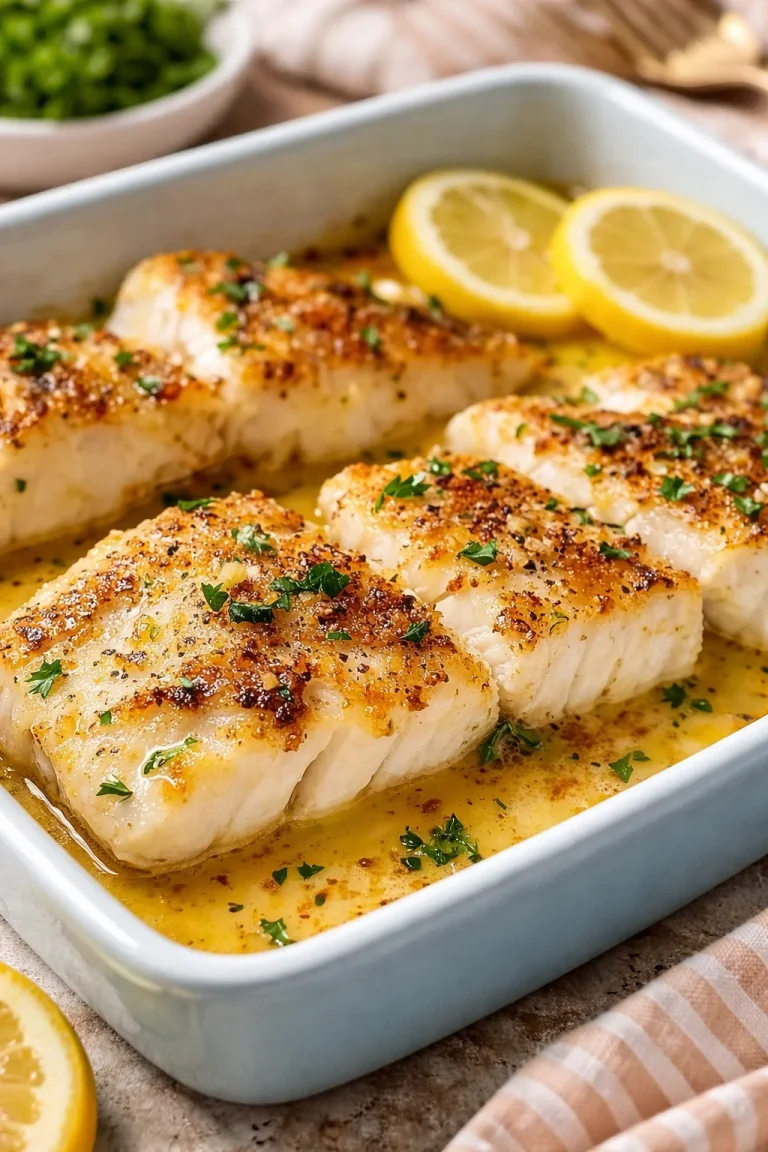
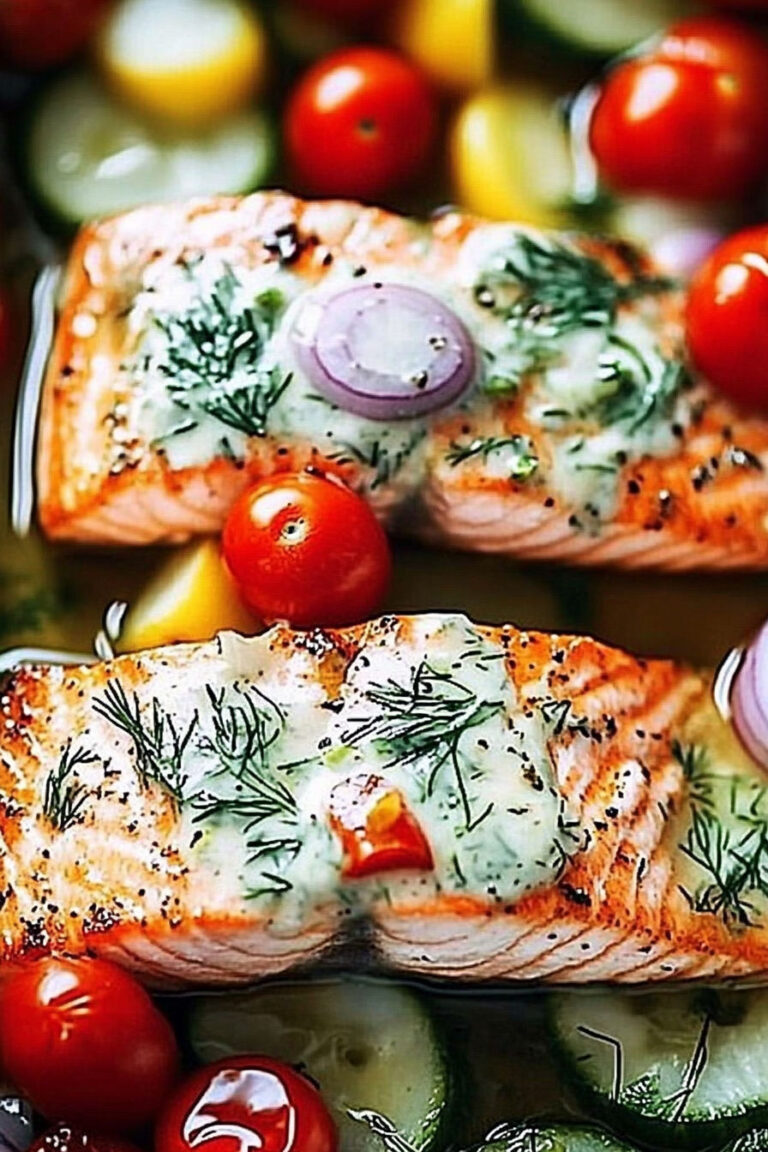
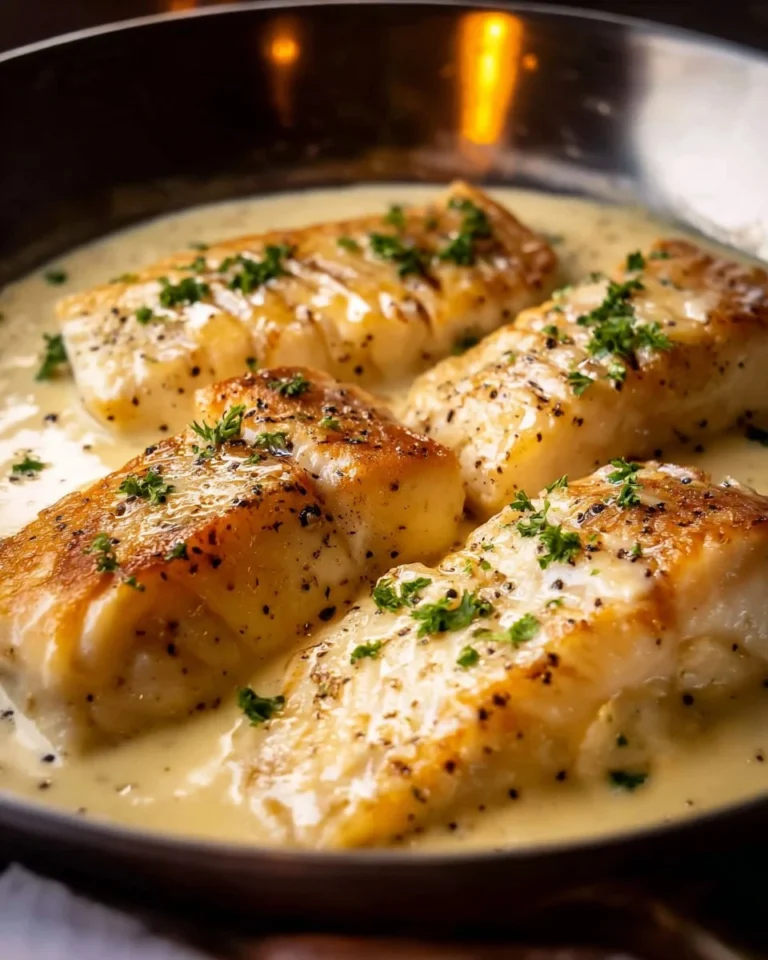
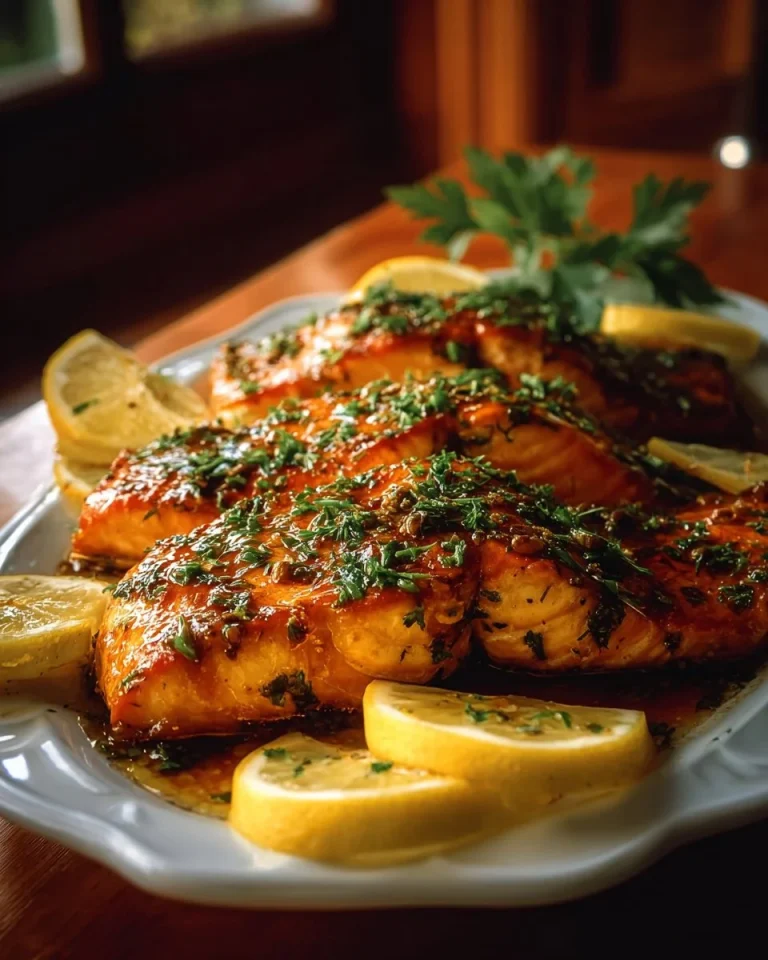
Slow Cooker Lemon Butter Salmon

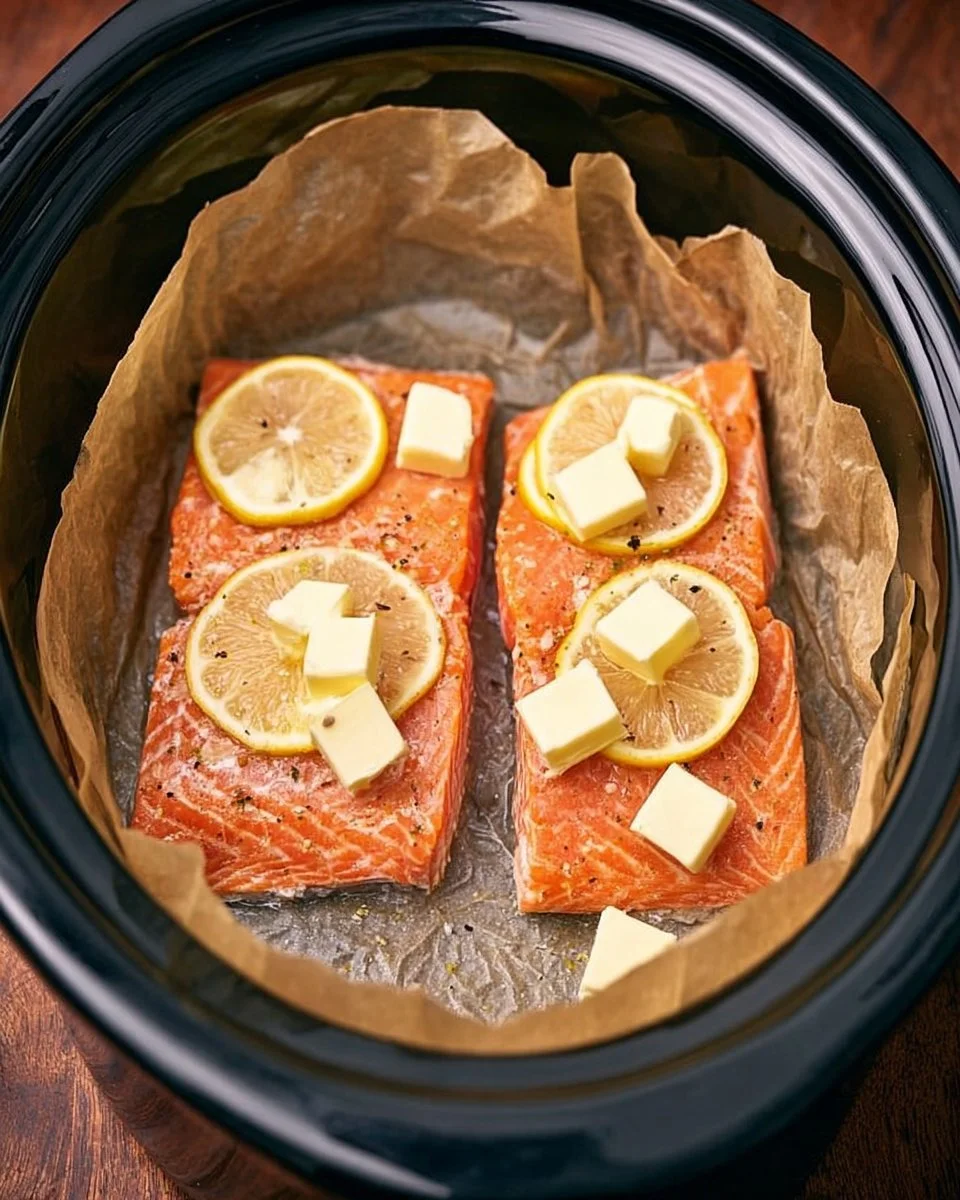
I first made this slow cooker lemon butter salmon on a rainy weeknight when I didn’t want to babysit the stove. The result was flaky, buttery salmon infused with bright lemon — and the parchment made cleanup delightfully easy. This method is ideal when you want hands-off cooking with restaurant-style flavor, especially for busy weeknights, simple dinner parties, or when feeding a family without fuss.
Why you’ll love this dish
This slow cooker lemon butter salmon gives you tender, evenly cooked fish with minimal effort. Because it cooks gently in a sealed parchment “tent,” the salmon stays moist and absorbs lemon-butter aromatics without drying out. It’s also forgiving: you can adjust cook time for thicker or thinner fillets, and the recipe is easy to scale.
“Moist, buttery, and bright — I served this for guests and nobody guessed it was from the slow cooker. Clean-up was a breeze.” — home cook review
This recipe is great for:

- Weeknight dinners when you want hands-off prep
- Small dinner parties where you prefer to free up oven space
- Anyone who wants a simple, healthy protein (salmon is rich in omega-3s)
The cooking process explained
Step-by-step overview: you’ll season the salmon, whisk a lemon-butter sauce, line the slow cooker with parchment, assemble the fish in a single layer, loosely tent the parchment, and cook on LOW until the salmon flakes easily. Total active time is about 10–15 minutes, with 1 1/2–2 1/2 hours of passive cooking depending on thickness.
If you want a slightly different lemon-butter approach, see this lemon garlic butter salmon variation for comparison.
What you’ll need
- 1 1/2 to 2 pounds salmon fillet, skin-on or skinless, cut into 4 portions (choose wild or farmed according to preference)
- 1 teaspoon kosher salt, or to taste
- 1/2 teaspoon black pepper
- 1/2 teaspoon garlic powder OR 2 cloves fresh garlic, minced (fresh garlic gives a brighter flavor)
- 4 tablespoons unsalted butter, melted (plus a little extra for brushing, optional)
- 1 large lemon, thinly sliced
- 2 tablespoons fresh lemon juice (about half a lemon)
- 1 tablespoon olive oil (optional, adds richness and keeps sauce glossy)
- 2 tablespoons fresh parsley, chopped (or 1 teaspoon dried parsley)
- Parchment paper — enough to line the bottom of your slow cooker and loosely wrap the salmon
- Nonstick cooking spray or a little extra butter for greasing the parchment
Substitutions/notes:
- Butter can be replaced with ghee for a slightly nuttier flavor or with a neutral oil for dairy-free (but you’ll lose some buttery richness).
- If you prefer more herb flavor, add a tablespoon of chopped dill or tarragon.
- For a garlicky punch, use minced garlic instead of garlic powder.
If you’d like to compare slow-cooker textures to an oven method, check this oven-baked lemon garlic butter salmon for another technique.
Step-by-step overview

- Prepare the slow cooker: tear a large sheet of parchment and line the bottom, leaving an overhang. Lightly oil or butter the parchment to prevent sticking.
- Season the salmon: pat fillets dry and season both sides with salt, pepper, and garlic. Cut into 4 pieces if needed so they fit flat.
- Make the lemon butter: whisk melted butter with lemon juice and olive oil (if using). Stir in chopped parsley.
- Assemble: place salmon skin-side down on the parchment in a single layer. Pour the lemon butter evenly over the fillets and top with lemon slices.
- Tent the parchment: fold the excess parchment into a loose packet, leaving room for steam to circulate.
- Cook: cover and cook on LOW for 1 1/2 to 2 1/2 hours. Start checking at ≈1 hour 15 minutes. The fish is done when it flakes easily with a fork.
- Rest and serve: lift the parchment packet out, let the salmon rest 3–5 minutes, then spoon the buttery juices over the fish and serve.
Directions
- Line your slow cooker: tear a parchment sheet so it covers the bottom with extra to fold up the sides. Grease lightly.
- Prep the salmon: pat dry with paper towels. Rub salt, pepper, and garlic powder or minced garlic over both sides. Cut into portions if needed.
- Mix the sauce: in a small bowl combine melted butter, lemon juice, olive oil (optional), and parsley. Whisk until blended.
- Arrange the fish: place pieces in a single layer on the parchment, skin-side down if applicable. Pour the lemon-butter sauce evenly over the fillets. Top with overlapping lemon slices.
- Make a tent: fold the excess parchment loosely over the salmon, creating a packet that leaves a little air space.
- Slow-cook: cover the slow cooker and cook on LOW. Check for doneness beginning at about 1 hour 15 minutes. Thicker fillets may need up to 2 1/2 hours. The salmon is ready when it flakes easily with a fork.
- Finish and serve: carefully lift the parchment, let the salmon rest 3–5 minutes, then spoon any juices over the fish and serve.
Best ways to enjoy it
- Plate with herbed rice pilaf or lemon-parsley quinoa and steamed asparagus for a balanced meal.
- Spoon the buttery juices over mashed potatoes or creamy polenta for a comfort-food twist.
- Serve flaked over a salad of baby greens, cucumber, and cherry tomatoes for a lighter option.
- Garnish with extra parsley, a squeeze of fresh lemon, and cracked black pepper for a bright finish.
Storage and reheating tips
- Refrigerate: store leftovers in an airtight container for up to 3 days. Keep juices with the fish to preserve moisture.
- Reheat gently: warm salmon in a 275°F (135°C) oven for 8–10 minutes covered with foil, or microwave on low power in short bursts. Avoid high heat that will dry it out.
- Freeze: cool completely, wrap tightly in plastic wrap and foil, or use a freezer-safe container. Freeze up to 2 months. Thaw overnight in the refrigerator before reheating.
- Food safety note: the USDA recommends cooking fish to an internal temperature of 145°F for safety, though many cooks prefer slightly lower temps for texture; use a thermometer if unsure.
Pro chef tips
- Pat the fish dry — removing surface moisture helps the butter sauce cling and improves flavor concentration.
- Use parchment, not foil: parchment keeps the fish from steaming too aggressively on the bottom and prevents a metallic taste some people get from foil in long cooks.
- Watch thickness, not time: measure the thickest part of the fillet. Thicker portions need more time; start checking at the lower end of the window.
- For a glossy sauce, add the parsley after whisking the butter so it doesn’t cook into the fat too long.
- If you want a touch of smokiness, finish briefly under a broiler for 1–2 minutes to brown the top (watch carefully).
For a different slow-cooker protein idea, try these high-protein slow cooker garlic butter beef bites which use a similar buttery technique.
Creative twists
- Mediterranean: add olives, capers, and a sprinkle of oregano to the lemon butter. Serve with couscous.
- Spicy citrus: add 1/4 teaspoon red pepper flakes and a splash of orange juice to the butter for heat and sweet-citrus balance.
- Herb butter crust: top with a small spoonful of compound butter (butter mixed with herbs and lemon zest) during the last 10 minutes of cooking.
- Coconut-lime: swap butter for coconut oil and use lime slices and cilantro for a tropical flavor (dairy-free).
Helpful answers
Q: Can I start with frozen salmon?
A: It’s best to thaw salmon first for even cooking. Frozen fish can release extra water and lengthen cook time — if you must, thaw in the refrigerator overnight and pat dry before proceeding.
Q: How do I know when the salmon is done?
A: The fillet should flake easily with a fork and be opaque throughout. If you use a thermometer, the USDA recommends 145°F. Many chefs prefer 125–130°F for medium doneness and the most tender texture.
Q: Can I use foil instead of parchment?
A: You can, but foil may conduct heat differently and can make the bottom cook faster. Parchment gives a gentler steam and prevents any metallic taste.
Q: Is this suitable for meal prep?
A: Yes — cook and portion into containers with sides like rice and steamed vegetables. Refrigerate for up to 3 days or freeze for up to 2 months.
Conclusion
This slow cooker lemon butter salmon on parchment is a low-effort way to deliver a tender, flavorful main course with minimal cleanup. For a broiled, golden-topped spin on lemon-butter salmon, see Baked Lemon Garlic Butter Salmon – Savory Nothings. If you prefer a slow-baked oven method with compound butter for ultra-rich flavor, try Tender, Slow Baked Salmon with Compound Butter – Well Seasoned Studio. And for another slow-cooker salmon idea with a creamy lemon sauce, take a look at Slow Cooker Salmon with Creamy Lemon Sauce | Diethood.
Enjoy a flaky, lemon-butter dinner with almost no fuss — and remember the parchment trick next time you want tasty salmon without the mess.
Slow Cooker Lemon Butter Salmon
Ingredients
Method
- Tear a large sheet of parchment and line the bottom of the slow cooker, leaving an overhang.
- Lightly oil or butter the parchment to prevent sticking.
- Pat the salmon fillets dry and season both sides with salt, pepper, and garlic.
- Cut the fillets into 4 portions if needed.
- In a small bowl, whisk together the melted butter, lemon juice, and olive oil (if using). Stir in the chopped parsley.
- Place the salmon skin-side down on the parchment in a single layer.
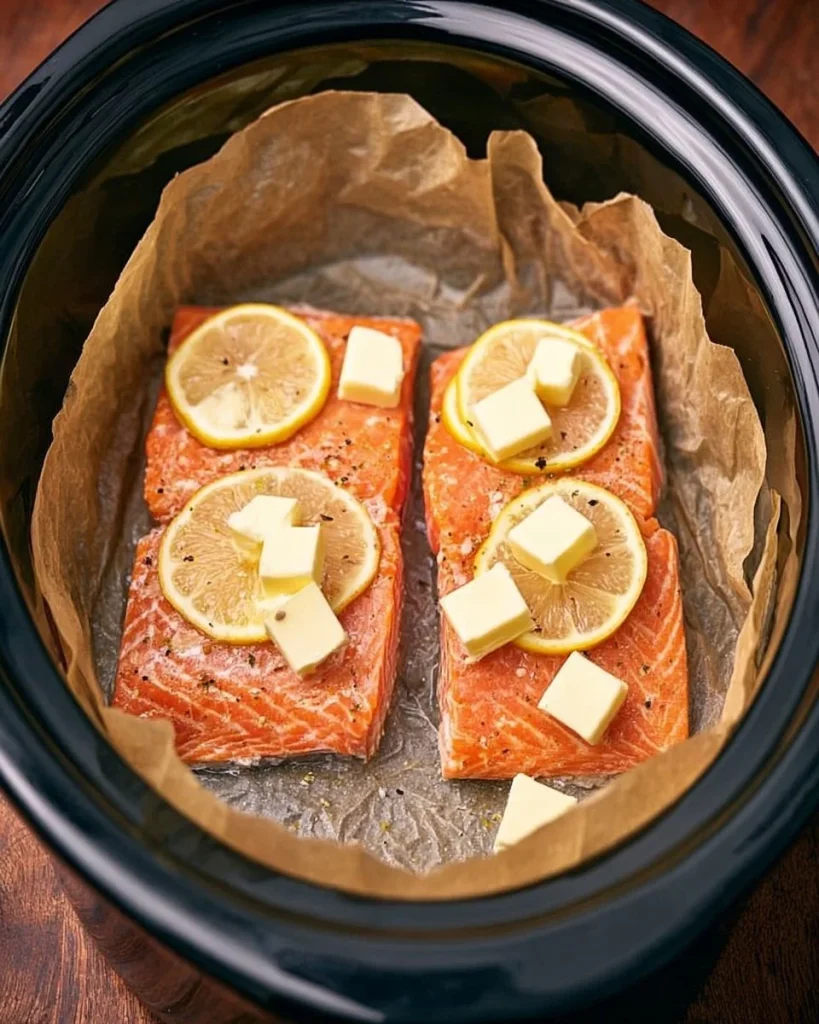
- Pour the lemon butter sauce evenly over the fillets and top with lemon slices.
- Fold the excess parchment loosely over the salmon, creating a packet that leaves room for steam to circulate.
- Cover and cook on LOW for 1.5 to 2.5 hours. Start checking for doneness at approximately 1 hour and 15 minutes.
- Carefully lift the parchment packet out, let the salmon rest for 3–5 minutes.
- Spoon any buttery juices over the fish and serve.