Homemade Sourdough Bread

Let’s Make Homemade Sourdough Bread
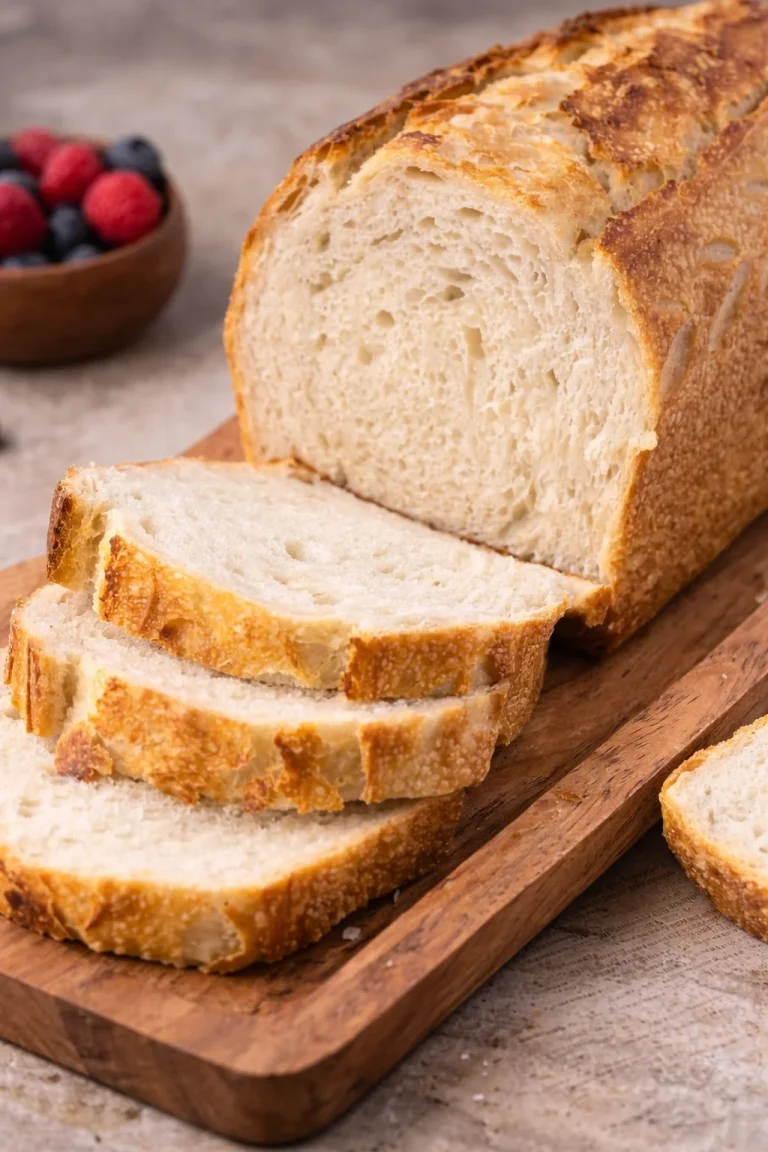
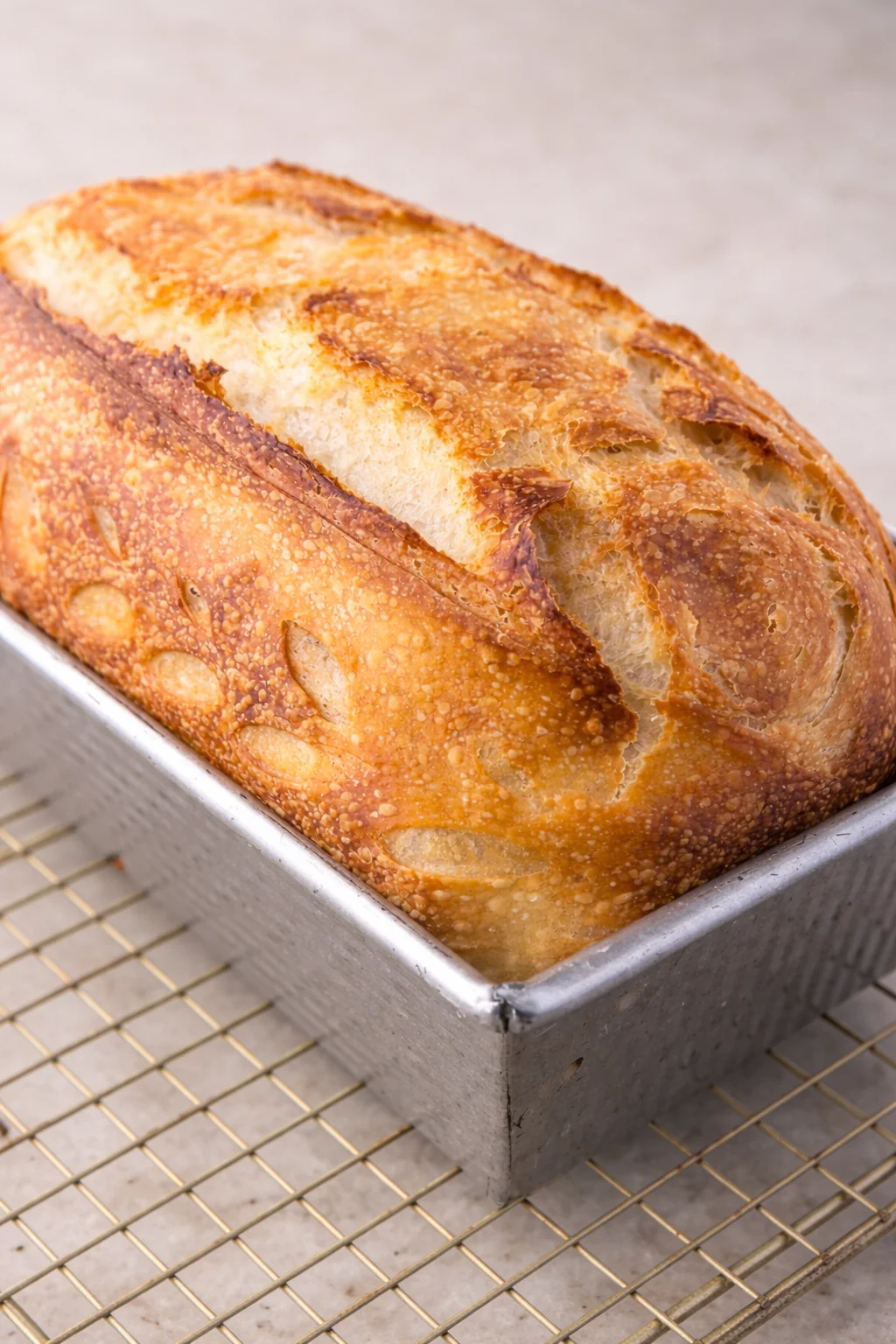
There’s something exquisitely satisfying about the aroma of freshly baked sourdough wafting through your home. This recipe for homemade sourdough bread not only fills your kitchen with warmth and deliciousness but also invites a sense of accomplishment that comes with baking from scratch. Whether you’re a novice in the kitchen or an experienced home baker, this process is an authentic journey into the heart of bread-making. With its crispy crust and a chewy, airy interior, this sourdough bread is a testament to patience and a little bit of love.
Reasons to Try This Delightful Recipe
This homemade sourdough bread isn’t just another loaf; it’s a heartfelt experience. Why should you add it to your baking repertoire? For starters, it’s a great way to impress family and friends, whether at a cozy weekend brunch or a gathering for special occasions. It’s also a cost-effective choice, bacon from ingredients that are often found in your kitchen pantry. Plus, it offers the satisfaction of creating something truly homemade, free from preservatives and artificial additives.
"Making this sourdough bread was a game changer for my family. We loved the crunchy crust and soft, fluffy inside. I’ve stopped buying bread from the store!" – Jenna, avid home baker
The Cooking Process Explained
Baking homemade sourdough bread involves a combination of straightforward steps and a bit of waiting, which allows the gluten to develop and flavors to deepen. You’ll begin with mixing your ingredients, let the dough rest, and then knead and shape it into a beautiful loaf. Don’t worry if it feels a bit sticky; that’s a sign of good hydration, which helps create that coveted chewy crumb later during baking.
Gather These Ingredients

To create your delicious loaf of sourdough, you’ll need the following ingredients:
- 125 g active sourdough starter (ensure it’s fed and bubbly)
- 325 g warm filtered water (about 90°F for optimal fermentation)
- 20 g neutral oil (options include avocado, olive, or canola oil)
- 12 g honey (adds a hint of sweetness)
- 12 g fine sea salt (for flavor enhancement)
- 500 g bread flour (your go-to for robust structure)
Feel free to adjust the types of oil or to substitute based on dietary preferences. For instance, agave syrup can replace honey in vegan diets.
Step-by-Step Instructions for Baking
Let’s dive right into the actual baking process! Here’s how everything comes together:
- Mix It Up: In a large bowl, combine the sourdough starter, warm water, oil, honey, and salt. Stir until everything is well dissolved.
- Incorporate the Flour: Gradually add the bread flour to the mixture. Stir until there are no dry bits left; the dough will appear shaggy and a bit sticky.
- Initial Rest: Cover your bowl and let this hydrate for 30 minutes. This step is crucial for activating the flour.
- Kneading Time: With wet hands, knead your dough in the bowl for about 3 to 4 minutes. This push-pull motion will help build gluten structure. Wet your hands as needed—sticky dough can be a challenge, but wet hands make it easier!
- Rest and Stretch: Cover again and let it rest for 30 minutes. Do your first set of stretch and folds by gently lifting, stretching, and folding over each side of the dough. Repeat this on all sides, aiming for about 4 to 8 stretches per set. You’ll perform this process a total of three times, with 30-minute rests in between.
- Let It Rise: After your final fold, cover the bowl and let the dough rise until it has grown about 60 to 75 percent in size. This typically takes 5 to 8 hours at room temperature. You’ll recognize it’s ready when it looks slightly domed with bubbles forming along the sides.
- Shape the Loaf: Turn the dough out onto a floured surface. Use flour as needed to prevent sticking. Gently stretch it into a rectangle, folding each side into the middle before rolling it into a log. Place the seam-side down in a greased 9×5 loaf pan.
- Final Rise: Cover the pan and let the dough rise until it domes about half to one inch above the rim. This can take 2 to 4 hours, depending on your environment. Alternatively, you can refrigerate it for up to 48 hours and then let it rise at room temperature before baking.
- Bake: Preheat your oven to 450°F. Score the top of the loaf with a simple slash or create a decorative pattern. Mist it lightly with water, then place an upside-down bread pan on top to trap steam. Bake covered for 25 to 30 minutes.
- Final Touches: Remove the top pan, reduce the heat to 425°F, and bake for another 10 to 15 minutes until golden brown with an internal temperature of 205°F to 210°F. If browning too quickly, cover loosely with foil.
- Cooling Time: Allow the bread to cool completely for 2 hours on a wire rack before slicing to prevent a gummy crumb. It’s challenging to wait, we know, but it will be worth it!
How to Serve and Enjoy This Sourdough Delight
Now that you’ve mastered the art of homemade sourdough, think about the many ways you can enjoy it. Slice it thin for classic toast topped with avocado and poached eggs for breakfast. Or, pile on deli meats and cheese for a gourmet sandwich. Enjoy it as a side with soups and stews, or simply slather it with butter and jam for a delightful snack.
Keeping Your Sourdough Fresh
When it comes to storing your homemade sourdough, keeping it fresh is as important as baking it.
- Room Temperature: Store your loaf in a paper bag or a linen cloth at room temperature to preserve its crustiness.
- Freezing: If you want to save some for later, slice the bread and wrap individual slices in plastic wrap before placing them in a freezer bag. It can last up to 3 months.
- Reheating: To revive the crust, bake slices in the oven for a few minutes at 350°F or toast them to golden perfection.
Pro Chef Tips to Ensure Success
- Patience Is Key: The longer fermentation can enhance the flavor of your sourdough, so don’t rush the rising time if you can help it.
- Hydration Matters: The stickiness of your dough is essential for getting that airy texture; don’t be tempted to add too much extra flour when kneading.
- Temperature Control: Keep your environment warm (but not hot!) during the rise—ideal for yeast activity.
Creative Twists on Sourdough
Feeling adventurous? Think about adding unique flavors or variations! A handful of chopped olives or sundried tomatoes can bring a Mediterranean flair. For a sweet twist, try incorporating seeds like flax or chia or even whole grains to enhance the nutrition.
Common Questions Answered
- How long does it take to prepare? The total time can vary, but expect about 5 to 8 hours for rising and a couple of hours for the additional final rise, plus baking time.
- Can I substitute ingredients? Yes! You can swap out the honey with agave for a vegan-friendly option. Make sure your flour is bread flour for the best texture.
- What should I do if my dough isn’t rising? Ensure that your sourdough starter is active and bubbly. If your kitchen is too cool, find a warm spot to help it rise better.
Baking homemade sourdough bread may seem daunting at first, but with practice and patience, it can become a cherished part of your culinary journey. Enjoy the process and the delightful rewards of your hard work!
Homemade Sourdough Bread
Ingredients
Method
- In a large bowl, combine the sourdough starter, warm water, oil, honey, and salt. Stir until everything is well dissolved.
- Gradually add the bread flour to the mixture. Stir until there are no dry bits left; the dough will appear shaggy and a bit sticky.
- Cover your bowl and let this hydrate for 30 minutes.
- With wet hands, knead your dough in the bowl for about 3 to 4 minutes.
- Cover again and let it rest for 30 minutes. Perform your first set of stretch and folds by gently lifting, stretching, and folding over each side of the dough.
- Cover the bowl and let the dough rise until it has grown about 60 to 75 percent in size, typically taking 5 to 8 hours.
- Turn the dough out onto a floured surface. Shape it into a log and place it seam-side down in a greased loaf pan.
- Cover the pan and let the dough rise until it domes about half to one inch above the rim, taking 2 to 4 hours.
- Preheat your oven to 450°F. Score the top of the loaf, mist it lightly with water, and bake covered for 25 to 30 minutes.
- Remove the top pan, reduce heat to 425°F, and bake for another 10 to 15 minutes until golden brown.
- Allow the bread to cool completely for 2 hours on a wire rack before slicing.