5 Homemade Mexican Salsas

 235
235
 18
18
 1.30k
1.30k

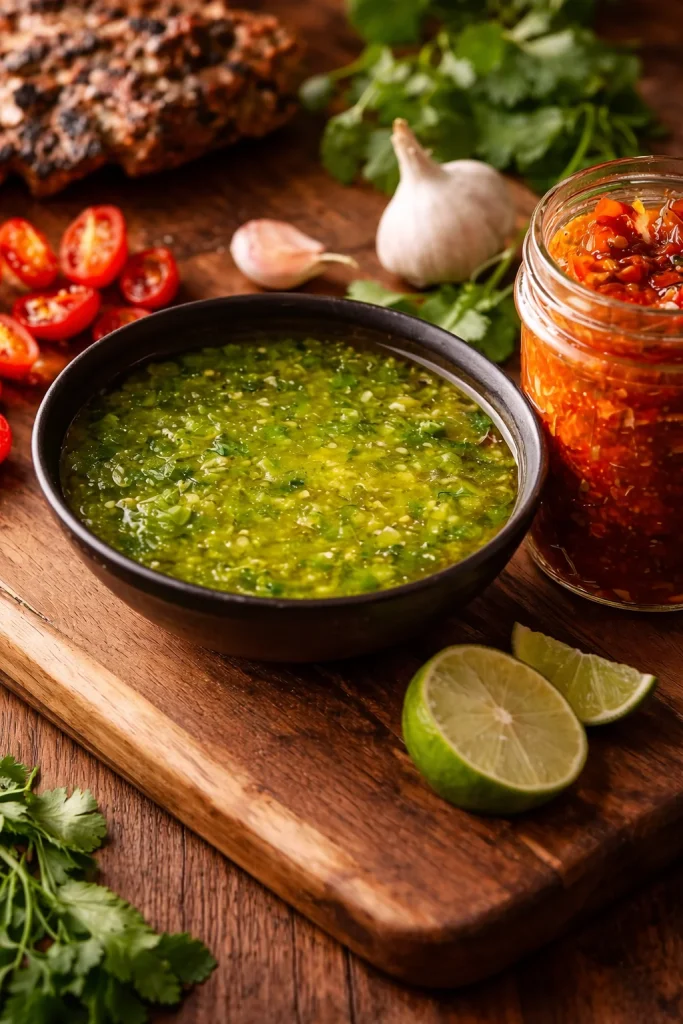
I grew up in a kitchen where every meal had at least two salsas on the table. These five — Guacamole Cremoso, Salsa Roja de Molcajete, Salsa Verde Asada, Salsa Tatemada de Chile de Árbol, and Salsa Macha — cover the full spectrum: creamy, smoky, bright, blistered, and nutty-spicy. They’re quick to pull together, rely on pantry staples, and transform tacos, grilled meats, eggs, or even plain chips into something memorable. If you want a compact guide to making all five at home (with tips for texture, heat control, and storage), this is it — and you can also compare notes with the original full recipe collection I referenced while refining these versions.
Why you’ll love this dish
These five salsas give you instant variety: a table full of contrasts so everyone can pick their favorite. They’re great for weeknight dinners (make a couple and stash them), for weekend barbecues (smoky and tatemada shine with grilled meats), and for feeding crowds at casual gatherings. They’re also budget-friendly — many use the same core ingredients — and each salsa scales easily.
“A spread of fresh salsas like these turns any meal into a celebration — bright, bold, and impossible to stop spooning onto everything.” — home cook review
The cooking process explained
Before you start, here’s the high-level flow so you know what to expect. You’ll be doing five short, separate preparations:
- Guacamole Cremoso: mash and mix — no heat, very fast.
- Salsa Roja de Molcajete: roast or use already-roasted jitomates, then grind or blend for a rustic texture.
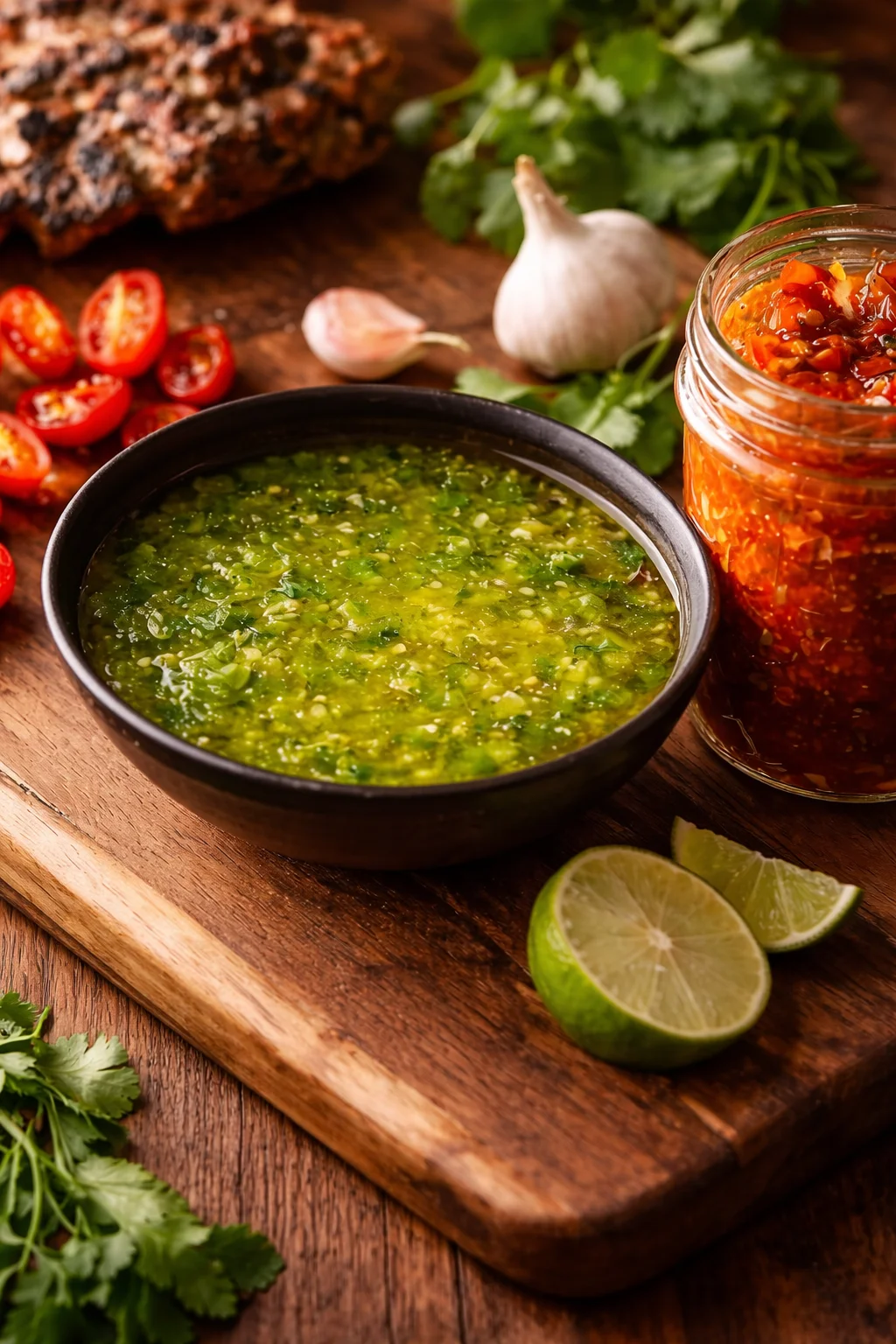
- Salsa Verde Asada: roast tomatillos with aromatics and blend smooth.
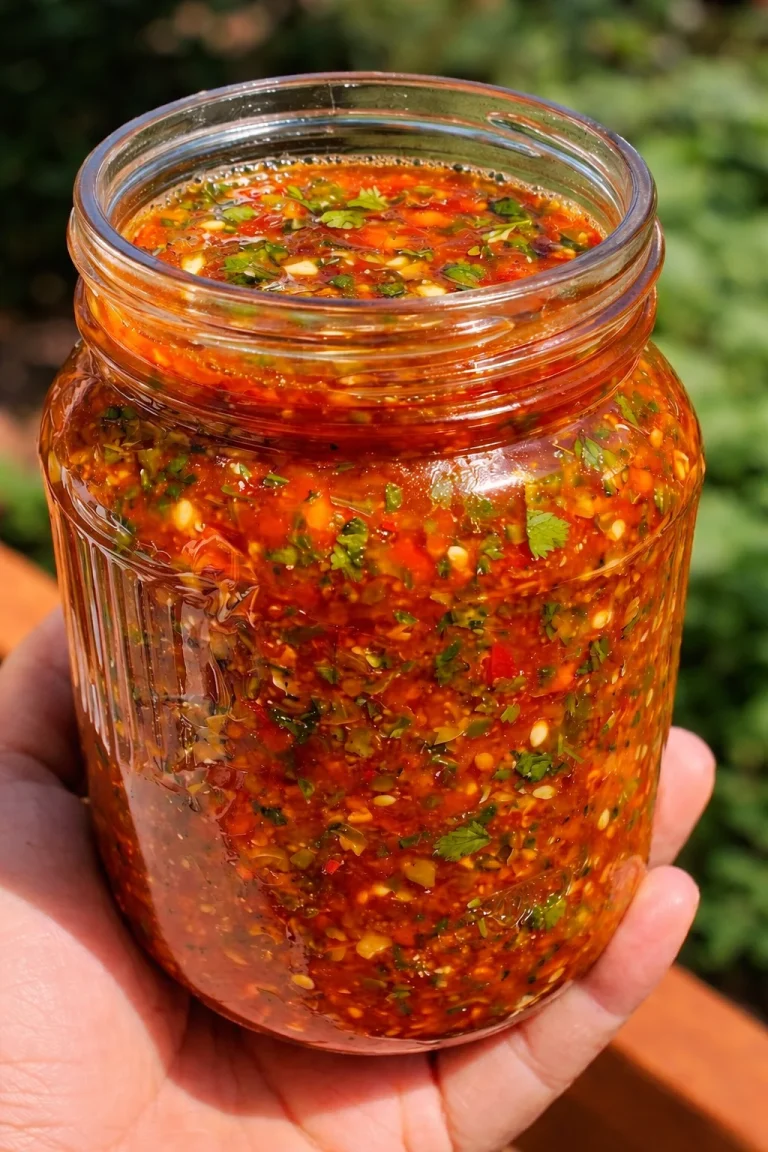
- Salsa Tatemada de Chile de Árbol: toast chiles and tomatoes, blend with oil for a glossy, blistered flavor.
- Salsa Macha: fry dried chiles and garlic in oil, then blend with toasted seeds or peanuts into a thick, oil-preserved condiment.
This gives you a mix of raw/fresh, roasted, and oil-preserved techniques so you get layered flavors across the five salsas.
What you’ll need
- Aguacates (ripe) — for Guacamole Cremoso
- Jitomate (tomato) — fresh plus roasted for the Roja
- Ajo (garlic) — fresh cloves
- Cebolla (onion) — white or yellow, raw or roasted
- Jugo de limón (lime juice)
- Sal (salt)
- Jitomates asados (roasted tomatoes) — for the molcajete roja
- Chiles serranos — for the molcajete roja (or chile de árbol for more heat)
- Cilantro — for the roja and garnish
- Tomates verdes (tomatillos) — for Salsa Verde Asada
- Chiles (e.g., jalapeño, serrano) — for verde and tatemada
- Aceite vegetal (vegetable oil) — for tatemada and macha
- Chiles de árbol secos — for Salsa Tatemada and/or Salsa Roja
- Ajonjolí (toasted sesame seeds) or maní (peanuts) — for Salsa Macha
Substitutions and notes:
- If you don’t have ajonjolí, toasted peanuts give a rustic macha with more body.
- Use lime if you prefer a sharper acid than lemon.
- For a lower-heat spread, remove seeds from chiles before roasting or blending.
- If you want to pair these salsas with lighter fare, check this guide to light soups and pairings.
Directions to follow

Guacamole Cremoso
- Halve and pit the aguacates. Scoop the flesh into a bowl and mash with a fork until creamy but still slightly chunky.
- Finely dice a small amount of jitomate and cebolla. Mince one small ajo clove.
- Stir tomato, onion, and garlic into the avocado. Add a squeeze of jugo de limón and salt to taste. Taste and adjust acidity or salt.
Salsa Roja de Molcajete
- Roast jitomates (or use pre-roasted jitomates asados) until skin is blistered and soft.
- In a molcajete or blender, add roasted tomatoes, a couple chiles serranos (or chiles de árbol for more heat), one ajo clove, and a handful of chopped cilantro.
- Grind or pulse until you get a thick, slightly chunky salsa. Season with salt. If using a molcajete, leave some texture for an authentic bite.
Salsa Verde Asada
- Roast tomatillos, additional chiles (serrano or jalapeño), a quartered cebolla, and an ajo clove on a hot griddle or under the broiler until browned and lightly charred.
- Transfer to a blender and pulse until smooth. Add salt and a splash of jugo de limón to brighten. Strain if you prefer very smooth salsa.
Salsa Tatemada de Chile de Árbol
- Lightly toast chiles de árbol dry in a skillet until fragrant, then toast small tomatoes (jitomates) until they’re blistered and darkened.
- Combine toasted chiles and tomatoes with ajo, a pinch of salt, and a small drizzle of aceite vegetal in a blender. Blitz to a glossy sauce. Adjust oil and salt for texture and sheen.
Salsa Macha
- In a small saucepan, warm one cup of aceite vegetal over medium heat. Add dried chiles guajillo (or a mix of guajillo and árbol) and a few peeled garlic cloves. Fry gently until the aromatics bloom — don’t burn.
- Remove from heat, let cool slightly, then transfer to a blender with toasted ajonjolí or maní. Blend to a coarse- to medium-textured oil-sauce.
- Return the blended mix to the pan for a moment to infuse if you want a smoother texture. Season with salt and store covered with oil to preserve.
For stepwise photos or a printable checklist, follow the illustrated process in this related kitchen guide (technique notes apply).
Best ways to enjoy it
- Arrange a salsa board: small bowls of each salsa with a stack of warm corn tortillas, tortilla chips, sliced radishes, and lime wedges.
- Tacos: Guacamole Cremoso pairs beautifully with grilled fish; Salsa Tatemada and Roja are classic on carne asada; Salsa Macha is perfect on shredded chicken.
- Eggs: Spoon Salsa Verde Asada over scrambled eggs or chilaquiles for a bright breakfast.
- Sandwiches and bowls: A little Salsa Macha adds crunch and heat to roasted vegetable bowls.
- Appetizer: Use Salsa Macha as a dip base: mix with crema or plain yogurt for a nuttier spread.
How to store & freeze
- Short term: Keep fresh salsas (guacamole, verde, roja) in airtight containers in the fridge up to 3–4 days. Press plastic wrap directly onto the surface of guacamole to slow browning.
- Oil-preserved (Salsa Macha): Store in a jar topped with oil; it keeps in the fridge up to 2–3 weeks. Warm slightly before serving if the oil solidifies.
- Freezing: Salsa Verde and Roja freeze well in portions (ice cube tray or small containers) for up to 3 months. Defrost in the fridge overnight and re-blend briefly to refresh texture.
- Food safety: Cool hot salsas to room temperature no longer than 2 hours before refrigerating. Reheat only once and discard if off-odor or mold appears.
Pro chef tips
- Control heat: Toast chiles whole and rinse or remove seeds to tame spice. Add one chile at a time when blending to taste.
- Texture tricks: Use a molcajete for Salsa Roja if you want a coarser, more rustic texture; blender for a smooth finish.
- Brightness boost: A small splash of fresh lime juice added at the end lifts any salsa.
- Oil choice: Neutral vegetable oil keeps flavors true; use avocado oil if you want a richer note.
- Toast seeds and nuts: For Salsa Macha, toast ajonjolí or maní until fragrant — it adds depth and prevents raw bitterness.
Creative twists
- Smoky ancho macha: Swap part of the guajillo for ancho chiles for deeper, chocolatey notes.
- Creamy macha aioli: Stir Salsa Macha into mayonnaise or crema for a spread on sandwiches.
- Roasted-fruit twist: Add roasted mango or pineapple to the Roja for a sweet-spicy glaze for grilled shrimp.
- Vegan crema: Blend silken tofu with lime for a topping instead of dairy crema.
- Low-sodium swap: Use reduced-salt techniques — add extra acid (lime) and roasted aromatics to compensate for less salt.
Helpful answers
Q: How long does each salsa take to make?
A: Guacamole: 5–10 minutes. Blanco-style molcajete salsa: 15–20 minutes including roasting. Salsa Verde Asada: 15 minutes. Tatemada with árbol: 10–15 minutes. Salsa Macha: 15–25 minutes depending on toasting time.
Q: Can I make these ahead for a party?
A: Yes. Make Roja and Verde a day ahead — flavors deepen. Macha keeps even longer thanks to the oil barrier. Make Guacamole last-minute or keep it covered with plastic pressed to the surface until serving.
Q: Are there allergen concerns with Salsa Macha?
A: Salsa Macha often uses peanuts (maní) or sesame (ajonjolí). Substitute toasted sunflower seeds to avoid peanuts, and omit sesame if allergic. Label accordingly when serving to guests.
Q: Can I use a blender instead of a molcajete?
A: Absolutely. A molcajete adds authentic texture and slow grinding flavor, but a blender is faster and still delicious. Pulse for texture when you want it rustic.
Conclusion
If you’re stocking up on pantry staples for a week of flavor, check available options for ready sauces and ingredients at hot salsas and sauces at Food4Less. For an extra Verde reference and a slightly different roasted tomatillo method, see this trusted Salsa Verde recipe from Mama Latina Tips. If you want serving ideas like gorditas or other Mexican classics to pair with your salsas, this gorditas recipe is a great companion. And if you prefer store-bought options to supplement homemade jars, compare textures with Herdez Salsa Casera Medium to see how yours stack up.
Five Essential Salsas
Ingredients
Method
- Halve and pit the aguacates. Scoop the flesh into a bowl and mash with a fork until creamy but still slightly chunky.
- Finely dice the jitomate and cebolla. Mince the ajo.
- Stir tomato, onion, and garlic into the avocado. Add lime juice and salt to taste.
- Roast jitomates until the skin is blistered and soft.
- In a molcajete or blender, add the roasted tomatoes, chiles serranos, ajo, and chopped cilantro.
- Grind or pulse until you get a thick, slightly chunky salsa. Season with salt.
- Roast tomatillos, additional chiles, cebolla, and ajo on a hot griddle until browned.
- Transfer to a blender and pulse until smooth. Add salt and lime juice.
- Lightly toast the chiles de árbol in a skillet until fragrant.
- Toast the jitomates until blistered.
- Blend the toasted chiles and tomatoes with garlic, a pinch of salt, and vegetable oil.
- Warm oil in a saucepan over medium heat. Add dried chiles and garlic, frying gently.
- Remove from heat, let cool slightly, then blend with toasted seeds or peanuts.
- Return to the pan to infuse if desired and season with salt.