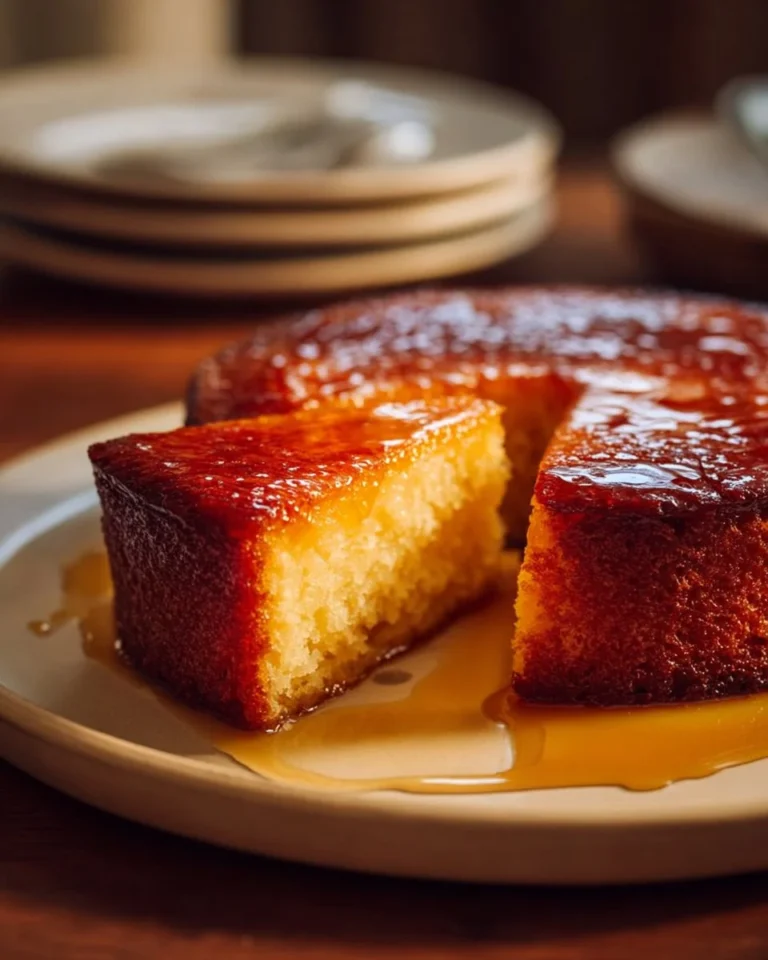
Lemon Pound Cake


 235
235
 18
18
 1.30k
1.30k

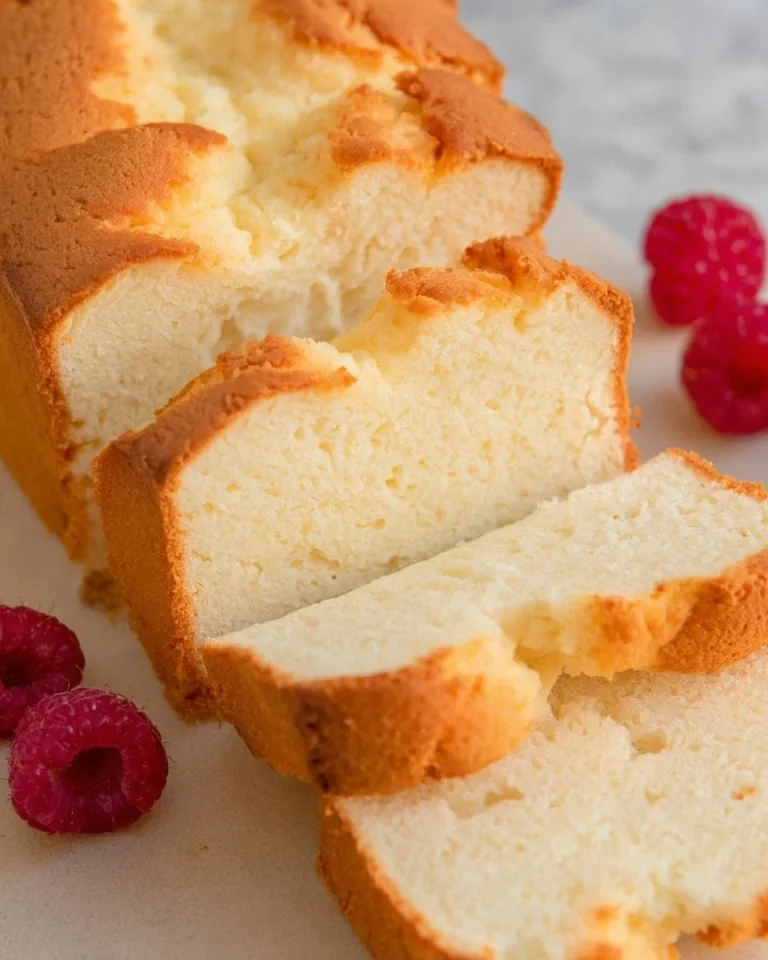
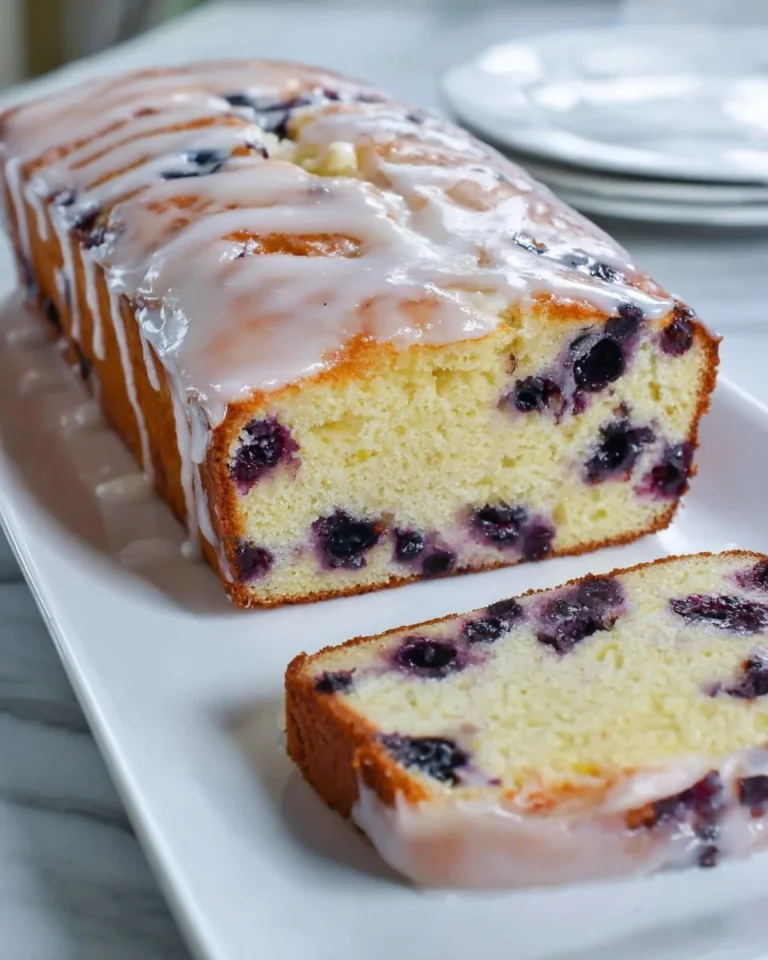
I’ve baked this lemon pound cake more times than I can count — it’s my go-to when I want a tender, buttery loaf with a bright citrus punch. The recipe combines classic pound-cake richness with a simple lemon glaze for a polished finish; it’s perfect for brunch, a potluck, or a small celebration. If you enjoy lemon with fruit, you might also like this lemon-blueberry pound cake that pairs the same citrus base with juicy berries.
What makes this recipe special
This lemon pound cake stands out because it keeps the dense, buttery structure of a traditional pound cake while adding fresh lemon juice and zest for a lively flavor. The glaze is quick—just powdered sugar and lemon juice—so you get pronounced lemon notes without extra fuss.
“Buttery, tender, and not too sweet — the lemon glaze ties everything together. I made this for a family brunch and it disappeared fast.” — a happy home baker
Why try it: it’s straightforward, uses pantry staples, and scales well (loaf, mini-loaves, or a Bundt pan). Make it for weekend coffee, birthday tea, or whenever you need a reliably impressive homemade cake.
The cooking process explained
Short overview so you know what to expect:
- Cream butter and sugar until light and fluffy to create the cake’s tender crumb.
- Add eggs one at a time for structure, then fold in lemon zest and juice.
- Alternate dry ingredients and milk to maintain moisture without overworking the batter.
- Bake in a prepared pan until a toothpick comes out clean or with a few moist crumbs.
- Cool briefly, then drizzle a lemon glaze to lock in brightness and shine.
What you’ll need
- 1 cup unsalted butter, softened — forms the rich base of the cake. (Room temperature is important.)
- 2 cups granulated sugar — sweetens and helps create a fine crumb.
- 4 large eggs — bind and provide structure.
- 3 cups all-purpose flour — backbone for stability and texture. (Spoon and level for accuracy.)
- 1/2 cup milk — keeps the cake moist. (Whole milk preferred; buttermilk or sour cream can be used for tang.)
- 1/4 cup fresh lemon juice — for zesty lemon flavor. (Bottled will work in a pinch but fresh is brighter.)
- Zest of 2 lemons — adds aromatic citrus notes.
- 1/2 teaspoon baking powder — gives a gentle lift.
- 1/2 teaspoon salt — balances sweetness and enhances flavor.
- 1 cup powdered sugar — for the simple lemon glaze.
- 2 tablespoons fresh lemon juice — to make the glaze tart and refreshing.
Substitutions/notes: swap sour cream for milk for extra richness (reduce by 1–2 tbsp if using). For a lighter crumb, use cake flour (reduce total flour slightly). For dairy-free, use a neutral oil and a nondairy milk alternative.
Step-by-step instructions

Preparation
- Preheat the oven to 350°F (175°C). Grease and flour a 9×5-inch loaf pan, or spray with nonstick spray and line the bottom with parchment.
- In a large bowl, cream 1 cup softened unsalted butter with 2 cups granulated sugar until light and fluffy (about 3–5 minutes with a stand mixer on medium).
- Add 4 large eggs one at a time, beating briefly after each addition until incorporated. Mix in the zest of 2 lemons.
- In a separate bowl, whisk together 3 cups all-purpose flour, 1/2 teaspoon baking powder, and 1/2 teaspoon salt.
Batter assembly
5. With the mixer on low, add one-third of the dry ingredients to the butter mixture, then half of the 1/2 cup milk. Repeat, ending with the last third of dry ingredients. Mix just until combined. Stir in 1/4 cup fresh lemon juice by hand to avoid overmixing. For loaf-pan tips and alternate pan sizes, see these loaf and pan notes.
Baking
6. Transfer batter to the prepared pan and smooth the top. Bake at 350°F (175°C) for about 55–65 minutes for a 9×5 loaf (50–60 minutes for a Bundt), or until a toothpick inserted into the center comes out clean or with a few moist crumbs. If the top browns too quickly, tent loosely with foil for the last 15 minutes.
Cooling and glazing
7. Let the cake cool in the pan for 10–15 minutes, then invert onto a wire rack. Cool another 10 minutes until slightly warm.
8. Make the glaze by whisking 1 cup powdered sugar with 2 tablespoons fresh lemon juice until smooth (add more sugar for thicker glaze or a splash more juice for thinner). Drizzle over the warm cake and let set before slicing.
Serving
9. Slice with a serrated knife for clean edges. Serve at room temperature. For a fruit-forward presentation, pair slices with fresh berries or a spoonful of whipped cream.
Best ways to enjoy it
Serve this cake slightly warm or at room temperature. Pairing ideas:
- Fresh berries and a dollop of whipped cream for brunch. (For more berry pairing inspiration, check these berry and citrus pairing ideas.)
- A cup of black coffee or Earl Grey tea to balance the sweetness.
- Thin slices for dessert towers at showers or bundled into gift boxes for neighbors.
Plate it on a simple white cake stand and drizzle a little extra glaze just before serving for the best visual appeal.
Storage and reheating tips
- Room temperature: keep wrapped tightly in plastic wrap or in an airtight container for up to 3 days.
- Refrigerator: store covered for up to 5 days (refrigeration firms the crumb; bring to room temperature before serving).
- Freezing: wrap whole or sliced cake tightly in plastic then foil and freeze for up to 3 months. Thaw overnight in the fridge, then warm gently in a 325°F oven for 10–15 minutes.
- Reheating: heat a slice in the microwave 10–15 seconds to bring back tenderness, or warm in a 300°F oven for 8–10 minutes. Always follow safe food-handling: discard if left out more than 2 hours at room temperature.
Pro chef tips
- Room-temperature ingredients: eggs and butter should be at room temperature for better emulsion and texture.
- Measure flour correctly: spoon into the cup and level off to avoid a dry, dense loaf.
- Don’t overmix: once you add flour, mix until just combined to prevent a tough crumb.
- Zest before juicing: zested lemons are easier to juice afterward.
- Add a lemon syrup (equal parts sugar and lemon juice, simmered until sugar dissolves) and brush the hot cake for extra moisture and shine.
Creative twists
- Blueberry-studded: fold 1–1 1/2 cups fresh blueberries into the batter for a classic variation.
- Poppy seed lemon: add 2 tablespoons poppy seeds for texture and visual contrast.
- Lemon-cream cheese glaze: beat 4 oz cream cheese with powdered sugar and lemon for a richer topping.
- Lemon miso: for an umami lift, try a small amount of white miso in the batter (inspired by innovative bakers).
- Vegan/gluten-free: use a 1:1 gluten-free flour blend and flax “eggs” with a neutral oil replacement for butter (results will vary).
Helpful answers
Q: Can I use bottled lemon juice instead of fresh?
A: Yes, in a pinch. Fresh lemon juice and zest give the brightest flavor; bottled juice will work but may be flatter.
Q: How can I tell when the cake is done?
A: A toothpick inserted into the center should come out clean or with a few moist crumbs. The top will be golden and the cake will start to pull away slightly from the pan edges.
Q: Can I make mini loaves or cupcakes?
A: Yes. Mini loaves bake faster (about 30–40 minutes) and cupcakes about 18–22 minutes at the same temperature — check earlier to avoid overbaking.
Q: Is there a way to keep the cake extra moist?
A: Brushing warm cake with a simple lemon syrup (equal parts lemon juice and sugar heated until dissolved) seals moisture and intensifies flavor.
Q: How long does the glaze keep?
A: Once applied, glaze sets quickly and the cake is best eaten within a few days. Unused glaze can be refrigerated for a week; whisk before using.
Conclusion
If you want another glazed version with a soft crumb, take a look at Sally’s iced lemon pound cake for ideas on texture and finishing. For a different homemade take and baking tips, FIVEheartHOME’s lemon pound cake is a helpful reference. And for an adventurous flavor twist that pairs savory umami with citrus, read the lemon miso pound cake by Kristina Cho.

Lemon Pound Cake
Ingredients
Method
- Preheat the oven to 350°F (175°C). Grease and flour a 9×5-inch loaf pan, or spray with nonstick spray and line the bottom with parchment.
- In a large bowl, cream the softened butter with granulated sugar until light and fluffy (about 3–5 minutes with a stand mixer on medium).
- Add eggs one at a time, beating briefly after each addition until incorporated. Mix in the lemon zest.
- In a separate bowl, whisk together flour, baking powder, and salt.
- With the mixer on low, add one-third of the dry ingredients to the butter mixture, then half of the milk. Repeat, ending with the last third of dry ingredients. Mix just until combined. Stir in lemon juice by hand to avoid overmixing.
- Transfer the batter to the prepared pan and smooth the top. Bake for about 55–65 minutes for a 9×5 loaf (50–60 minutes for a Bundt), or until a toothpick comes out clean or with a few moist crumbs. If the top browns too quickly, tent with foil for the last 15 minutes.
- Let the cake cool in the pan for 10–15 minutes, then invert onto a wire rack and cool for another 10 minutes.
- Make the glaze by whisking powdered sugar with lemon juice until smooth. Drizzle over the warm cake and let set before slicing.
- Slice with a serrated knife for clean edges. Serve at room temperature.