Kentucky Butter Cake

 235
235
 18
18
 1.30k
1.30k

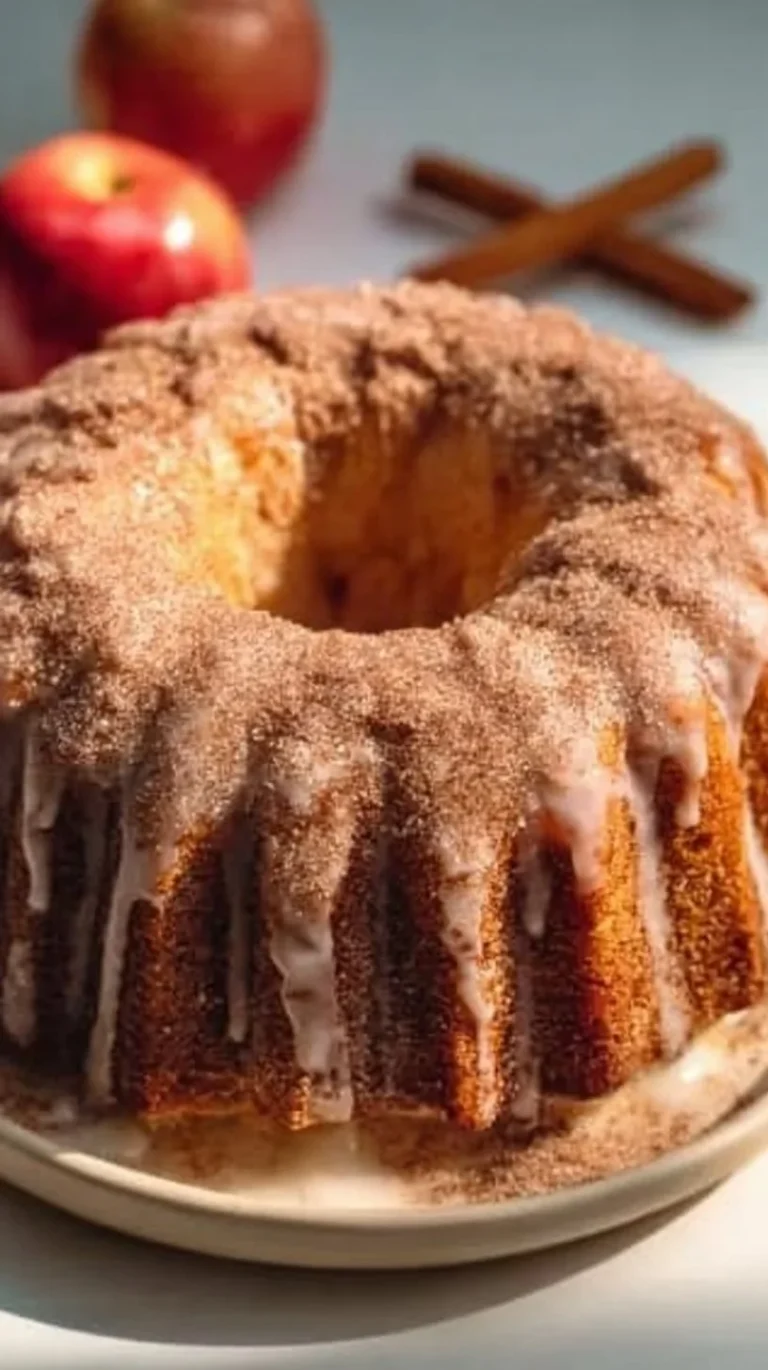
I’ve made this Kentucky Butter Cake more times than I can count—its golden, tender crumb and the glossy butter sauce that soaks in are the kinds of things people bring to potlucks and holidays asking for seconds. This cake is simple, old-fashioned Southern comfort: a buttery bundt cake made with buttermilk and finished with a warm sugar-butter syrup so every slice is sweet, moist, and irresistible. If you like dense, buttery cakes that travel well and please a crowd, this is one to bookmark and bake. For a bourbon-kissed variation I sometimes use at holiday dinners, see my twist on a related recipe here: Kentucky Bourbon Butter Cake.
Why you’ll love this dish
Kentucky Butter Cake is the kind of dessert that’s both humble and showy. It’s quick to mix—no fancy equipment—and relies on pantry staples: flour, sugar, butter, eggs, and buttermilk. The magic happens when you pour a warm butter-sugar syrup over the hot cake so it soaks in and creates a glossy, sticky exterior without becoming soggy. This makes it great for:
- Family brunches or potlucks where you want a sliceable, travel-friendly dessert.
- Holidays when you need a crowd-pleaser that can be baked ahead and still taste fresh.
- Anyone who loves buttery, old-fashioned cakes rather than light, chiffon-style cakes.
“Simple to make, decadent to eat—this butter cake disappeared within an hour at our family brunch. Moist, buttery, and exactly what a Southern cake should be.” — A reader review
How this recipe comes together
Step-by-step overview: You’ll whisk dry ingredients, cream in softened butter with eggs and vanilla, then add buttermilk for a tender crumb. The batter goes into a greased and floured bundt pan and bakes until a tester comes out clean. While the cake bakes, you’ll simmer a brief butter-sugar-water sauce flavored with vanilla. Right after the cake comes from the oven, you’ll spoon that warm syrup over the hot cake so it soaks into the nooks of the bundt shape. Expect about 15 minutes prep, 45–50 minutes baking, plus cooling and soaking time.
Gather these items
What you’ll need (makes one 10- to 12-cup bundt cake)
- 2 cups all-purpose flour (spoon and level for accuracy)
- 1 1/2 cups granulated sugar
- 1/2 teaspoon salt
- 1 tablespoon baking powder
- 1 cup unsalted butter, softened (for the batter)
- 4 large eggs, room temperature (helps emulsify and give lift)
- 1 tablespoon vanilla extract
- 1 cup buttermilk (or 1 cup milk + 1 tablespoon lemon juice, rested 10 minutes)
- 1/2 cup unsalted butter (for the sauce)
- 1 cup granulated sugar (for the sauce)
- 1/4 cup water
- 1 tablespoon vanilla extract (for the sauce)
Notes and substitutions:
- For a dairy-free version, substitute plant-based butter for both butter amounts and use a non-dairy milk with 1 tablespoon vinegar to mimic buttermilk—texture will be slightly different.
- If you want a little extra depth, swap 1 teaspoon of vanilla for 2 teaspoons and add 1 teaspoon of lemon zest to the batter.
- For an alternate take and measurements, this recipe pairs well with other crowd-friendly versions like the one linked here: Kentucky Butter Cake variations.
Step-by-step instructions

- Preheat and prep: Preheat the oven to 350°F (175°C). Grease a 10- to 12-cup bundt pan thoroughly and dust lightly with flour, tapping out excess.
- Mix dry ingredients: In a large bowl, whisk together 2 cups flour, 1 1/2 cups sugar, 1/2 teaspoon salt, and 1 tablespoon baking powder until evenly combined.
- Combine wet ingredients: Add 1 cup softened unsalted butter, 4 large eggs, 1 tablespoon vanilla extract, and 1 cup buttermilk to the dry mix. Beat or mix just until smooth and homogenous—scrape the bowl once or twice. Do not overmix.
- Bake: Pour the batter into the prepared bundt pan and smooth the top. Bake in the preheated oven for 45–50 minutes, or until a toothpick inserted into the center comes out clean or with just a few moist crumbs.
- Make the butter sauce: While the cake bakes, melt 1/2 cup unsalted butter in a small saucepan over medium heat. Add 1 cup granulated sugar and 1/4 cup water. Bring to a boil, then reduce heat and simmer gently for 5 minutes, stirring occasionally. Remove from heat and stir in 1 tablespoon vanilla extract. Let the sauce cool slightly but keep it warm.
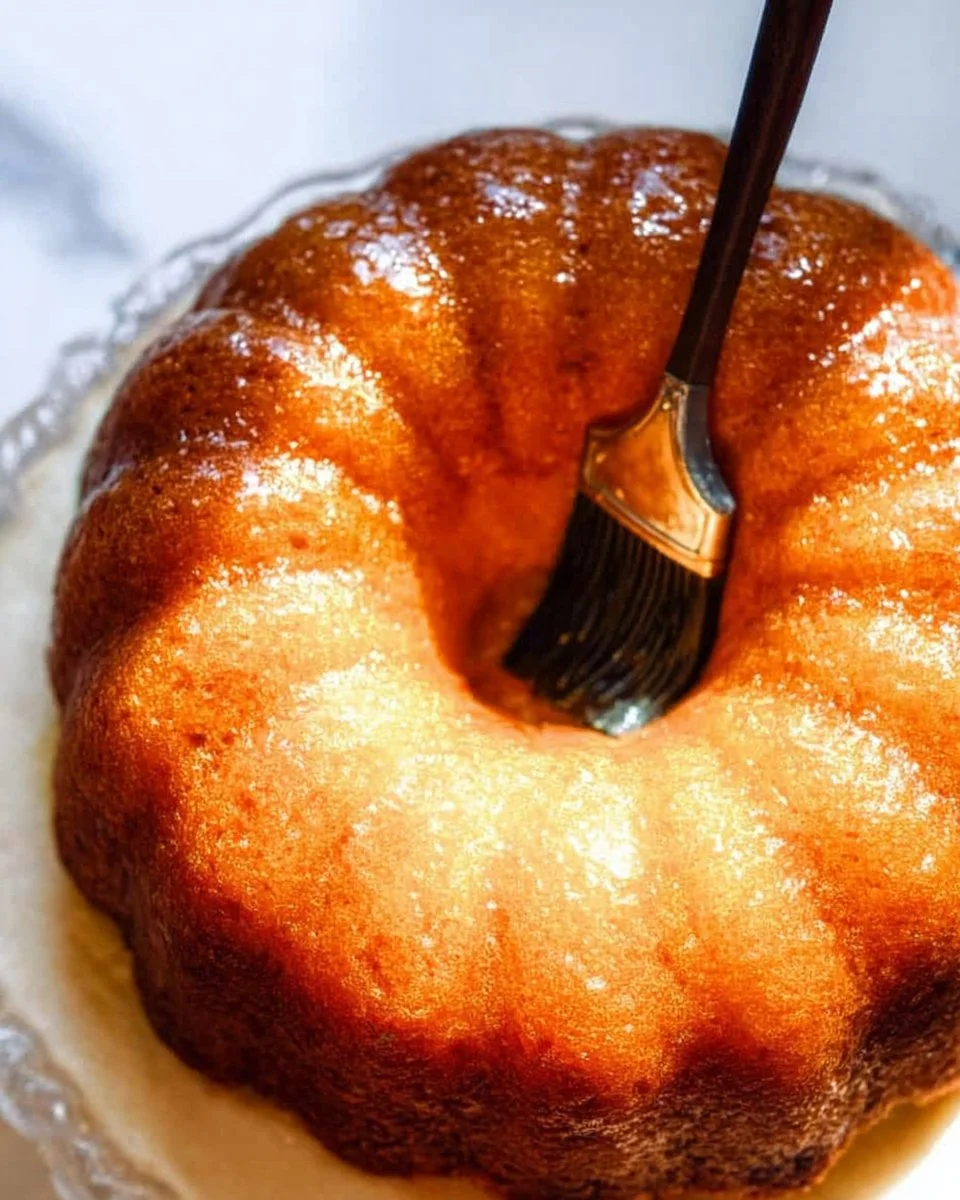
- Soak the cake: When the cake is done, let it rest 5 minutes in the pan. Then invert the cake onto a cooling rack set over a baking sheet or platter to catch excess syrup. Immediately spoon the warm butter sauce evenly over the top, letting it drizzle and soak into the crevices. Use all of the sauce; it will create both a glaze and a moist interior.
- Cool and serve: Allow the cake to cool until the sauce firms slightly and the cake is mostly at room temperature—about 1 hour. For best slices, cool completely. Serve on its own or with whipped cream or vanilla ice cream.
Best ways to enjoy it
Serving suggestions:
- Slice thick and serve warm with a scoop of vanilla ice cream for a diner-style treat.
- For brunch, top slices with lightly sweetened whipped cream and fresh berries—strawberries or macerated blueberries work beautifully.
- A dusting of powdered sugar or a drizzle of caramel adds extra shine without overpowering the butter sauce.
- For a more formal dessert, reheat slices for 10–15 seconds in the microwave and plate with a few toasted pecans and a sprig of mint.
Storage and reheating tips
Keeping leftovers fresh:
- Room temperature: Store the cooled cake covered with plastic wrap or in an airtight cake carrier for up to 2 days. The syrup helps keep it moist, but the glaze will soften the exterior.
- Refrigeration: If your kitchen is warm or you’ve left it topped with cream, refrigerate in an airtight container for up to 4 days. Bring slices to room temperature before serving (or warm briefly).
- Freezing: Wrap individual slices tightly in plastic wrap and then foil; freeze up to 3 months. Thaw overnight in the refrigerator and warm gently before serving.
Food safety: Because this cake contains eggs and dairy, do not leave it at room temperature for more than 2 hours if you’ve topped it with perishable items like whipped cream.
Pro chef tips
- Room-temp eggs and butter: Using eggs and butter at room temperature helps the batter emulsify and results in a smoother, more even crumb.
- Don’t skip flouring the pan: The syrup won’t save a cake that sticks; grease and flour the bundt pan well, or use a baking spray with flour.
- Test doneness by feel: A clean toothpick is reliable, but the cake should also spring back slightly when touched. If the center feels jiggly, give it another 5–8 minutes.
- Even syrup distribution: Pour a small amount of sauce at first to let the cake absorb, then add the rest. This prevents puddles and helps even penetration.
- For a shinier glaze: Strain the butter sauce if you see tiny foam bits after simmering; a smooth syrup shines more.
For alternate baking tips and variations I sometimes use, check this companion guide: more Kentucky Butter Cake tips.
Creative twists
- Bourbon or rum: Add 1–2 tablespoons of bourbon or dark rum to the butter sauce after removing from heat for a boozy, Southern accent.
- Citrus butter cake: Stir 1 teaspoon lemon or orange zest into the batter and swap the vanilla in the sauce for a little citrus juice.
- Nutty crunch: Scatter toasted pecans or sliced almonds over the cake just after adding the sauce so they adhere.
- Mini cakes: Bake in a greased muffin tin for individual butter cakes—reduce bake time to 18–22 minutes.
- Gluten-free: Substitute a 1:1 GF flour blend and check texture; you may need a tablespoon extra liquid for the same tenderness.
Your questions answered
Q: How long does it take from start to finish?
A: Active prep is about 15 minutes. Baking is 45–50 minutes, plus about 45–60 minutes cooling and soaking time. Plan 2 hours total if you want it fully cooled before serving.
Q: Can I make the butter sauce ahead of time?
A: You can make it a day ahead and refrigerate. Rewarm gently before pouring; if the syrup has thickened in the fridge, warm until pourable and stir to recombine.
Q: Why did my cake sink in the middle?
A: Common causes are underbaking, opening the oven door too often, or too much leavening. Use accurate measurements, avoid overmixing, and test with a toothpick.
Q: Is it okay to use salted butter?
A: Yes, but reduce added salt in the batter slightly (omit or use 1/4 teaspoon) to avoid a too-salty finish.
Q: Can I halve the recipe?
A: Yes—you’ll need a smaller bundt or loaf pan and a shorter bake time. Start checking for doneness 10–15 minutes earlier.
Conclusion
Kentucky Butter Cake is a dependable, crowd-pleasing Southern classic: easy to make, richly buttery, and perfect for celebrations or simple weeknight dessert. If you want a tried-and-true rendition with helpful step photos, this version from Kentucky Butter Cake Tried and True! Southern Recipe is a great visual companion. For another beloved take with slightly different ratios, see Easy Kentucky Butter Cake | Cookies and Cups. If you’re curious about a slightly different texture and sauce technique, the adaptation at Kentucky Butter Cake – 5 Boys Baker is useful. And for a tested, editorial recipe from a major source, review the New York Times’ version here: Kentucky Butter Cake Recipe – NYT Cooking. Enjoy baking, and don’t be surprised if this one becomes a recipe you reach for again and again.
Kentucky Butter Cake
Ingredients
Method
- Preheat the oven to 350°F (175°C). Grease a 10- to 12-cup bundt pan thoroughly and dust lightly with flour, tapping out excess.
- In a large bowl, whisk together 2 cups flour, 1 1/2 cups sugar, 1/2 teaspoon salt, and 1 tablespoon baking powder until evenly combined.
- Add 1 cup softened unsalted butter, 4 large eggs, 1 tablespoon vanilla extract, and 1 cup buttermilk to the dry mix. Beat or mix just until smooth and homogenous—scrape the bowl once or twice. Do not overmix.
- Pour the batter into the prepared bundt pan and smooth the top. Bake in the preheated oven for 45–50 minutes, or until a toothpick inserted into the center comes out clean or with just a few moist crumbs.
- While the cake bakes, melt 1/2 cup unsalted butter in a small saucepan over medium heat. Add 1 cup granulated sugar and 1/4 cup water. Bring to a boil, then reduce heat and simmer gently for 5 minutes, stirring occasionally. Remove from heat and stir in 1 tablespoon vanilla extract. Let the sauce cool slightly but keep it warm.
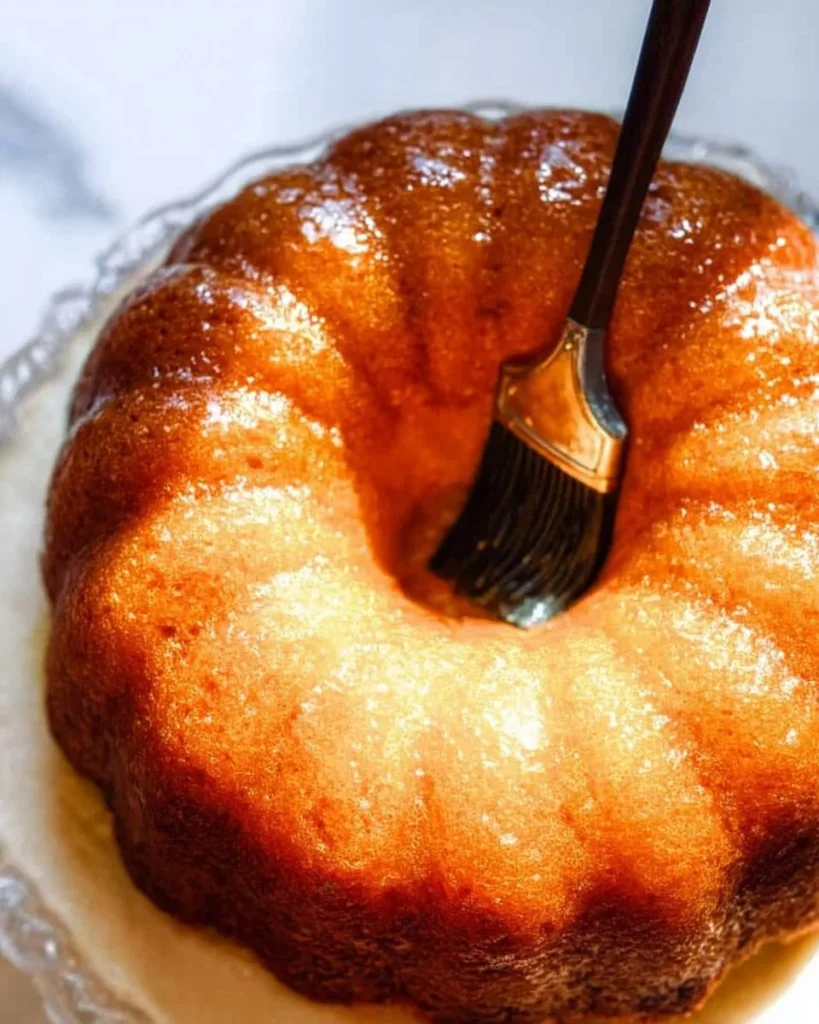
- When the cake is done, let it rest 5 minutes in the pan. Then invert the cake onto a cooling rack set over a baking sheet or platter to catch excess syrup. Immediately spoon the warm butter sauce evenly over the top, letting it drizzle and soak into the crevices.
- Allow the cake to cool until the sauce firms slightly and the cake is mostly at room temperature—about 1 hour. For best slices, cool completely.
- Serve on its own or with whipped cream or vanilla ice cream.