Chicken Chow Mein

 235
235
 18
18
 1.30k
1.30k

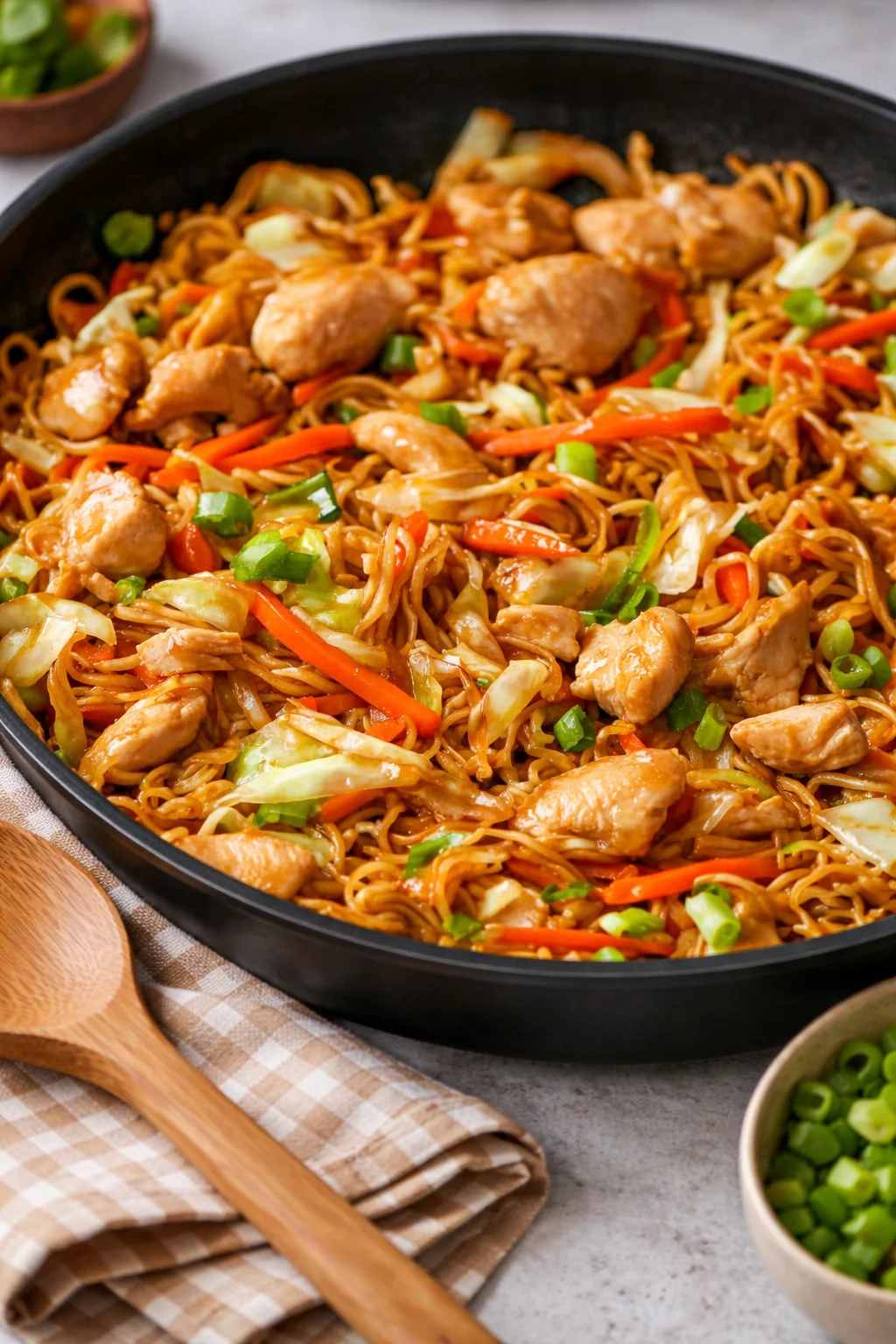
I remember the first time I tossed thin chow mein noodles with crisp cabbage and sweet carrots—simple ingredients, fast cooking, and that unmistakable soy-sesame aroma. This Chicken Chow Mein recipe is a weeknight lifesaver: ready in about 25–30 minutes, flexible with pantry staples, and easily scaled for lunches, family dinners, or potluck contributions. I’ll walk you through everything from prepping the chicken to getting the noodles perfectly sauced.
I adapted my timing from a few reliable sources and streamlined steps for busy cooks. If you like a different noodle texture, try the alternate version I tested for a more stir-fry–firm bite: a weeknight-friendly version.
Why you’ll love this dish
This Chicken Chow Mein is fast, forgiving, and crowd-pleasing. It combines lean protein, crunchy vegetables, and slurpable noodles in one pan. Whether you want something budget-friendly, kid-approved, or ready in under 30 minutes, this recipe fits. It’s also easy to adapt for low-carb, gluten-free, or vegetarian diets.
“The best quick takeout-style chow mein we’ve had at home—crispy veggies, juicy chicken, and a sauce that clings to every noodle.”
Reasons to try it now:
- Fast: Most steps happen in one hot wok or skillet.
- Flexible: Swap veg and protein without wrecking the balance.
- Flavorful: A bit of oyster sauce and sesame oil goes a long way.
- Make-ahead friendly: Cook once and reheat well for lunches.
Step-by-step overview
Before you start: cook the noodles, prep the chicken and veg, then stir-fry everything quickly over high heat. Here’s the flow at a glance:
- Boil or soak chow mein noodles until just tender, then drain and oil lightly to prevent sticking.
- Quickly marinate or season thin-sliced chicken breasts.
- Stir-fry chicken until just cooked; remove and rest.
- High-heat toss shredded cabbage and julienned carrots until crisp-tender.
- Return chicken, add noodles and sauce (soy + oyster + sesame), toss to coat.
- Finish with green onions and a drizzle of sesame oil. Serve immediately.
This overview keeps the hot-cook time short so vegetables stay crisp and the noodles don’t clump.
What you’ll need
- 2 boneless, skinless chicken breasts (about 1 to 1¼ lb total) — sliced thin across the grain for tenderness.
- 2 cups chow mein noodles (dried or fresh; see notes below).
- 2 cups cabbage, shredded (green or a mix of napa and green).
- 1 cup carrots, julienned or cut into matchsticks.
- ½ cup green onions, sliced (for garnish).
- 2 tablespoons soy sauce (use low-sodium if desired).
- 1 tablespoon oyster sauce (adds savory depth; sub hoisin for a sweeter twist).
- 1 tablespoon sesame oil (finish only—adds aroma).
- 1 tablespoon vegetable oil (or another high-heat oil) for cooking.
- Minced garlic and minced ginger, to taste (optional but recommended).
Notes/substitutions:
- For gluten-free: swap soy sauce for tamari and use a GF oyster sauce or mushroom-based alternative.
- Want thicker sauce? Add 1 teaspoon cornstarch mixed with 2 tablespoons water and stir in during the final toss.
- If you prefer a different noodle texture, check this alternate method I experimented with: how to adjust noodle texture.
Step-by-step instructions

Cooking the noodles
- Bring a pot of salted water to a boil. Cook chow mein noodles for the time on the package until al dente (usually 2–4 minutes for fresh, a bit longer for dried). Drain and toss with a teaspoon of vegetable oil to stop sticking. Set aside.
Preparing the chicken
- Pat chicken breasts dry. Lightly season with ½ teaspoon salt and a pinch of pepper. If you like extra flavor, toss with 1 teaspoon soy sauce and a little grated ginger and let sit for 10 minutes.
Slicing the chicken
- Slice the breasts thinly against the grain into bite-sized strips. Thin slices cook fast and stay tender.
Stir-frying the vegetables
- Heat 1 tablespoon vegetable oil in a large wok or skillet over medium-high to high heat. Add minced garlic and ginger (if using) and fry 10–20 seconds until fragrant.
- Add carrots and stir-fry 1–2 minutes. Toss in shredded cabbage and cook another 2 minutes until crisp-tender.
Cooking the chicken (in sequence with vegetables)
- Push vegetables to one side, add a tiny splash more oil if needed, and add chicken strips. Stir-fry 3–4 minutes until cooked through and just golden. Alternatively, cook chicken first, remove, then cook vegetables—both methods work.
Combining everything
- Return chicken (if you removed it) to the pan. Add drained noodles.
- Pour 2 tablespoons soy sauce and 1 tablespoon oyster sauce over the noodles and toss vigorously to coat. If using the cornstarch slurry for a thicker sauce, add it now and cook 30–60 seconds until sauce thickens.
Final touches
- Turn off heat, drizzle 1 tablespoon sesame oil, toss gently. Taste and adjust salt or soy sauce. Sprinkle sliced green onions over the top.
Serving
- Transfer to a warmed platter and serve immediately while noodles are hot and glossy.
If you want a marinated, deeper-flavored chicken, try this quick marinating hack I like: a short chicken marinade guide.
Best ways to enjoy it
Plate the chow mein in shallow bowls so the noodles spread out and cool slightly before eating. Pair with:
- Steamed or pan-fried dumplings for a dim-sum style meal.
- A light cucumber salad or pickled vegetables to cut the richness.
- Chili oil or toasted sesame seeds on the side for extra heat and crunch.
For a family-style spread, serve on a large platter and let everyone help themselves—add lime wedges for a citrus lift.
Storage and reheating tips
- Refrigerate: Store leftovers in an airtight container for up to 3–4 days. Cool to room temperature before refrigerating (no more than 2 hours at room temp).
- Reheat: Reheat in a skillet over medium heat with a splash of water or stock to refresh the noodles, or microwave covered for 1–2 minutes, stirring halfway.
- Freeze: For best texture, avoid freezing if you care about noodle texture; however, you can freeze cooked chicken and sauce (without noodles) for up to 2 months. Thaw overnight and toss with freshly cooked noodles.
- Safety: Reheat to at least 165°F (74°C) before serving. Discard if left at room temperature beyond 4 hours.
Helpful cooking tips
- High heat and fast movement: Keep your pan hot and stir continuously to prevent steaming the veg.
- Don’t overcook the noodles: Slightly undercook if they’ll be tossed back in the pan—carryover heat finishes them.
- Slice cold chicken: Partially chill chicken for 10 minutes before slicing; it’s easier to cut thin, even strips.
- Oil the noodles: A light coat of oil after draining prevents clumping and helps sauce distribution.
- Save a little sauce: Reserve a tablespoon of sauce to finish at the end if you want more shine and flavor control. For more time-saving tips and shortcuts I tested, see this variation I use when I’m short on time: quick-cook shortcuts.
Creative twists
- Spicy Szechuan: Add a tablespoon of chili bean paste and a sprinkle of Szechuan peppercorn for numbing heat.
- Vegetarian: Swap chicken for firm tofu or extra mushrooms; use vegetarian oyster sauce.
- Noodle swap: Use rice noodles or udon for different textures—adjust cook times accordingly.
- One-pan meal: Add thinly sliced bell peppers and snow peas for more color and serve straight from the pan.
Your questions answered
Q: How long does this take from start to finish?
A: About 25–30 minutes if your noodles are quick-cook and you slice ingredients ahead of time.
Q: Can I use leftover roasted chicken?
A: Yes—add pre-cooked chicken at the end to warm through for the last minute or two.
Q: Is oyster sauce necessary?
A: It adds umami and depth. If you need a substitute, use hoisin (sweeter) or a mushroom-based vegan oyster sauce for vegetarian versions.
Q: How can I prevent soggy vegetables?
A: Keep cook time short and your heat high. Don’t overcrowd the pan; cook in batches if needed.
Q: Is this freezer-friendly?
A: Noodles degrade when frozen. Freeze chicken and sauce separately if you plan to store longer; combine with fresh noodles when reheating.
Conclusion
If you want more classic takes and variations on Chicken Chow Mein, RecipeTin Eats has a clear, home-cookable walkthrough that inspired a few technique tweaks I use: Chow Mein – RecipeTin Eats. For a richly sauced, family-friendly version with step photos, Natasha’s Kitchen is a reliable reference: Chicken Chow Mein with Best Chow Mein Sauce! – Natasha’s Kitchen. If you’re interested in regional techniques and a more traditional stir-fry approach, The Woks of Life offers depth and cultural context: Chicken Chow Mein – The Woks of Life. For a quick 30-minute method focusing on speed and simplicity, this version lays out an efficient workflow: The Easiest Chicken Chow Mein (雞肉炒麵, 30 Minutes).