Chicken Chow Mein

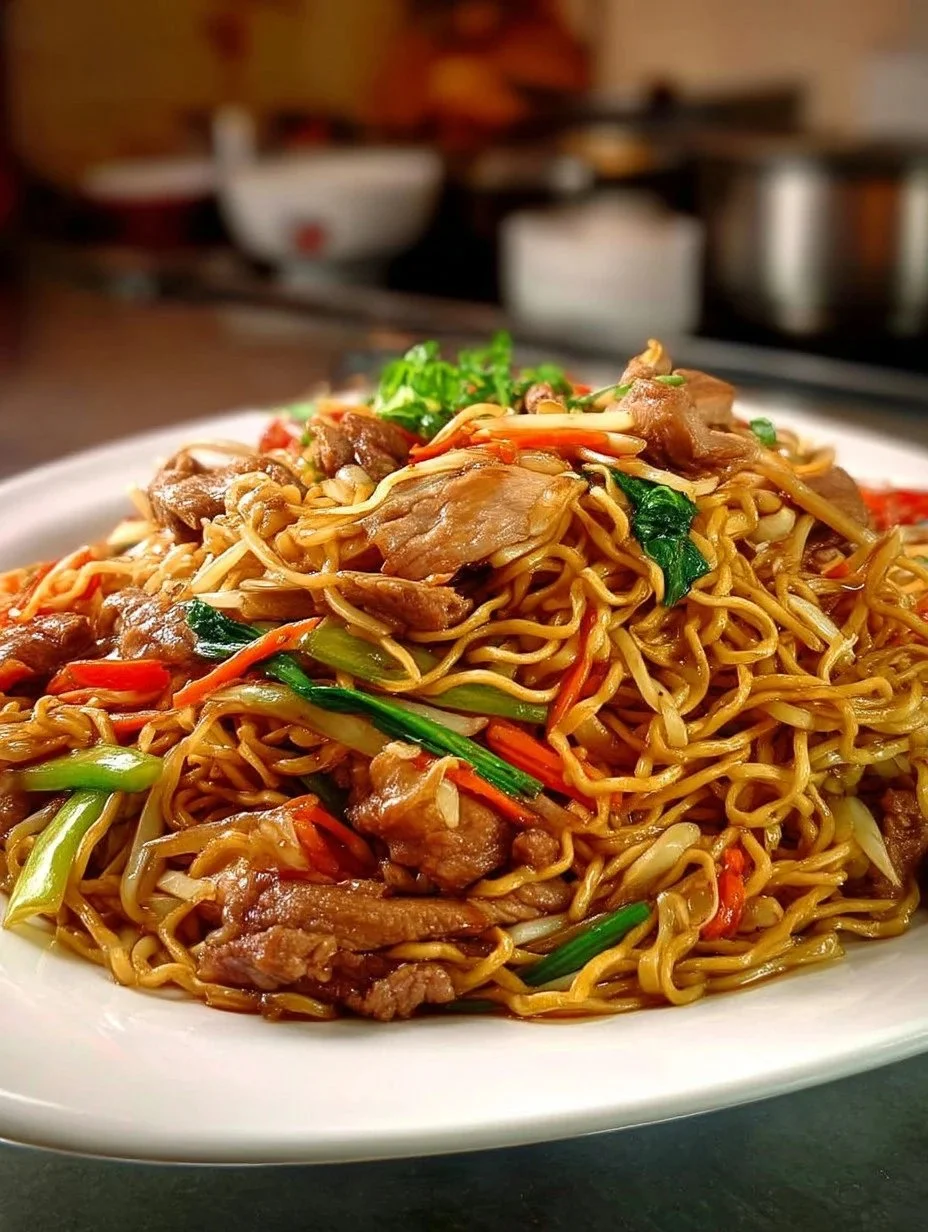
I remember the first time I tossed crisp veggies, tender chicken, and glossy chow mein noodles together — it felt like dinner had been upgraded with almost no fuss. This Chicken Chow Mein is a quick, crowd-pleasing stir-fry you can pull together on a weeknight when you want something satisfying, colorful, and a little bit restaurant-style. If you’d like to compare a slightly different take on the dish, see this alternate version for inspiration.
Why you’ll love this dish
This recipe hits the sweet spot: fast to make, adaptable, and balanced in texture — tender chicken, crunchy vegetables, and silky noodles coated in a savory-sweet sauce. It’s ideal for busy weeknights, feeding picky eaters (vegetables can be swapped), or stretching ingredients into a filling meal without much fuss. Plus, the combination of oyster and hoisin sauces gives the sauce real depth without needing a long ingredient list.
“Quick, comforting, and better than takeout — the whole family asked for seconds.” — a regular at my kitchen table
How this recipe comes together
- Slice and season chicken; cook quickly over high heat so it stays tender.
- Boil or soak the chow mein noodles per package instructions, then cool and set aside so they don’t overcook.
- Stir-fry garlic and vegetables until bright and just tender-crisp.
- Return the chicken, add soy, oyster, and hoisin sauces, then toss everything with the noodles until glossy and heated through.
This roadmap helps you move smoothly without overcooking any component.
What you’ll need
- 2 pieces chicken breasts, sliced — use fresh chicken breasts; cut against the grain for tenderness. (Substitute: thigh meat for juicier texture.)
- 8 oz chow mein noodles — cook according to package instructions; rinse in cold water to stop cooking. (Substitute: thin egg noodles or spaghetti in a pinch.)
- 1 cup bell peppers, sliced — any color works; red or yellow add sweetness.
- 1 cup broccoli florets — fresh is best; cut small so they cook quickly.
- 1 cup carrots, julienned — or use matchsticks for even cooking.
- 2 tablespoons vegetable oil — neutral oil with a high smoke point (canola, peanut).
- 3 cloves garlic, minced — fresh garlic gives the best flavor.
- 1 tablespoon soy sauce — adjust to taste or use low-sodium.
- 1 tablespoon oyster sauce — adds depth and umami.
- 1 tablespoon hoisin sauce — brings sweetness and body.
- Salt and pepper to taste — remember soy and oyster sauces add salt, so season lightly.
Notes: For gluten-free, swap soy and oyster for tamari and a gluten-free oyster alternative (or mushroom sauce). Add a splash of sesame oil at the end for aroma.
Directions to follow

- Prep everything first: slice chicken, mince garlic, julienne carrots, cut broccoli and peppers. Have sauces mixed in a small bowl.
- Cook the chow mein noodles according to package directions. Rinse under cold water, drain well, and toss lightly with a teaspoon of oil to prevent sticking. Set aside.
- Heat 1 tablespoon vegetable oil over medium-high to high heat in a large skillet or wok. Add the sliced chicken in a single layer. Cook 2–4 minutes, stirring occasionally, until no longer pink and edges begin to brown. Remove chicken and set aside.
- Add the remaining oil to the pan. Toss in minced garlic and stir for 20–30 seconds until fragrant. Add carrots, broccoli, and bell peppers. Stir-fry 3–4 minutes until vegetables are bright and slightly tender-crisp.
- Return the chicken to the pan. Pour in soy sauce, oyster sauce, and hoisin sauce. Stir to combine and let sauce warm through for 30–60 seconds.
- Add the cooked noodles, using tongs or a spatula to toss everything together so the sauce evenly coats the noodles. Stir-fry another 1–2 minutes until heated through. Taste and adjust with salt, pepper, or a splash more soy sauce.
- Serve hot.
Cook’s note: Chicken should reach an internal temperature of 165°F (74°C). If using a thermometer, check the thickest piece.

Best ways to enjoy it
Serve Chicken Chow Mein straight from the wok on a shallow platter so the noodles stay glossy. For sides, offer steamed jasmine rice for those who want extra carbs, or a simple cucumber salad to add freshness. Garnish with chopped scallions, sesame seeds, or a wedge of lime. If you’re planning an Asian-inspired spread, add a light soup or spring rolls — see complementary ideas in this collection of serving suggestions.
Storage and reheating tips
- Refrigerate: Cool leftovers to room temperature within two hours and store in an airtight container. Keep for 3–4 days.
- Reheat: Warm in a skillet over medium heat with a splash of water or broth to loosen the sauce; heat until steaming (165°F). Microwaving is fine — cover loosely and stir halfway through.
- Freeze: For longer storage, freeze in a freezer-safe container for up to 2 months. Thaw overnight in the fridge before reheating. Note: noodles may soften slightly after freezing; flash-stir-frying helps restore texture.
Food safety tip: Never leave cooked chicken at room temperature for more than two hours (one hour in hot environments).
Pro chef tips
- High heat and quick cooking are your friends. They keep vegetables crisp and chicken tender.
- Mise en place: Have sauces measured and noodles drained before you start — stir-fries move fast.
- Don’t overcrowd the pan. Cook chicken or vegetables in batches if needed to allow proper browning.
- If noodles clump, toss them briefly in hot oil in a dry pan to separate and reheat before combining.
- For more umami, add a teaspoon of fish sauce (sparingly) or a pinch of sugar to balance the flavors.
For more technique variations and shortcuts, check this helpful resource about recipe tweaks: other practical adjustments.
Creative twists
- Vegetarian: Swap chicken for firm tofu or extra mushrooms, and use vegetarian oyster sauce.
- Spicy: Add a tablespoon of Sriracha or some sliced fresh chiles when tossing the sauce.
- Ginger-forward: Add 1 teaspoon grated ginger with the garlic for warmth.
- Peanut-style: Stir in 1–2 tablespoons of peanut butter with the sauces for a nutty version.
- Crunch top: Finish with roasted peanuts or cashews for texture contrast.
Helpful answers
Q: How long does this take to make?
A: Prep about 10–15 minutes and cook 10–12 minutes; total time roughly 25 minutes.
Q: Can I use pre-cooked rotisserie chicken?
A: Yes — add it at the end to warm through. Reduce cooking time for the protein accordingly.
Q: Will the noodles get soggy?
A: To avoid sogginess, rinse cooked noodles in cold water and dry briefly. Toss with a small amount of oil and add them to the wok at the end over high heat so they don’t steam.
Q: Can I make this gluten-free?
A: Substitute tamari for soy sauce and use a certified gluten-free oyster alternative or mushroom-based sauce.
Q: Is it safe to freeze chow mein?
A: Yes, but texture may change; freeze within two hours of cooking and thaw in the fridge before reheating.
Conclusion
For alternate sauce ratios and a slightly different technique, try this version: Chicken Chow Mein with Best Chow Mein Sauce! – Natasha’s Kitchen.
If you want another detailed walkthrough with step photos, see Chow Mein – RecipeTin Eats.
For a family-style take that emphasizes wok technique and layering flavors, this page is an excellent companion: Chicken Chow Mein – The Woks of Life.