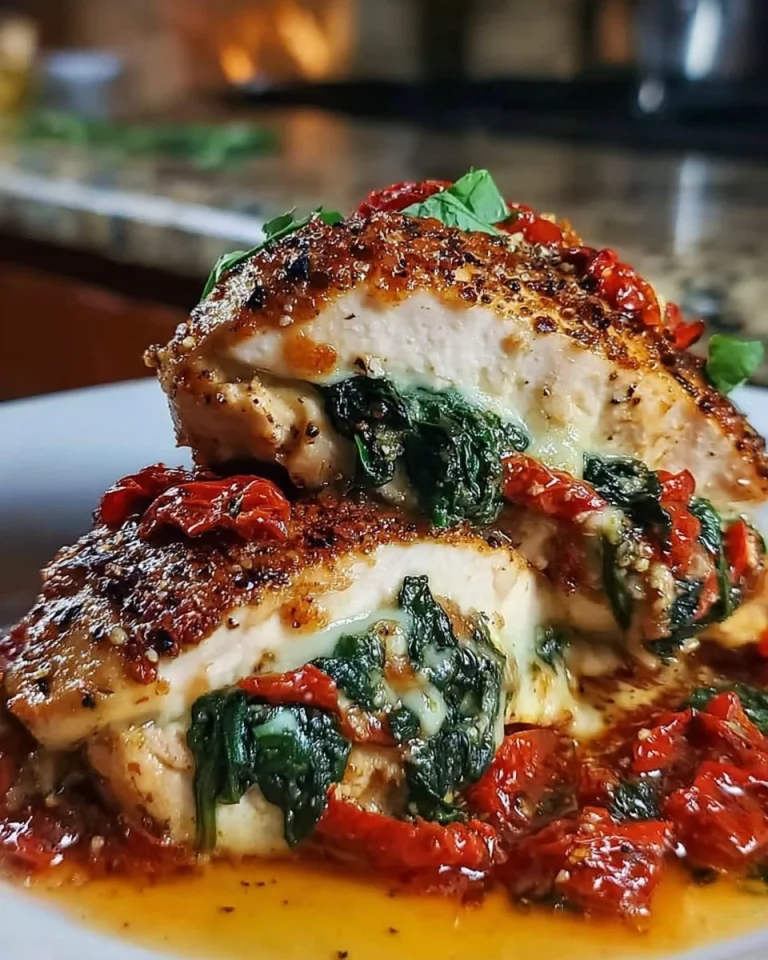
This Dish Never Fails to Wow My Dinner Party Guests

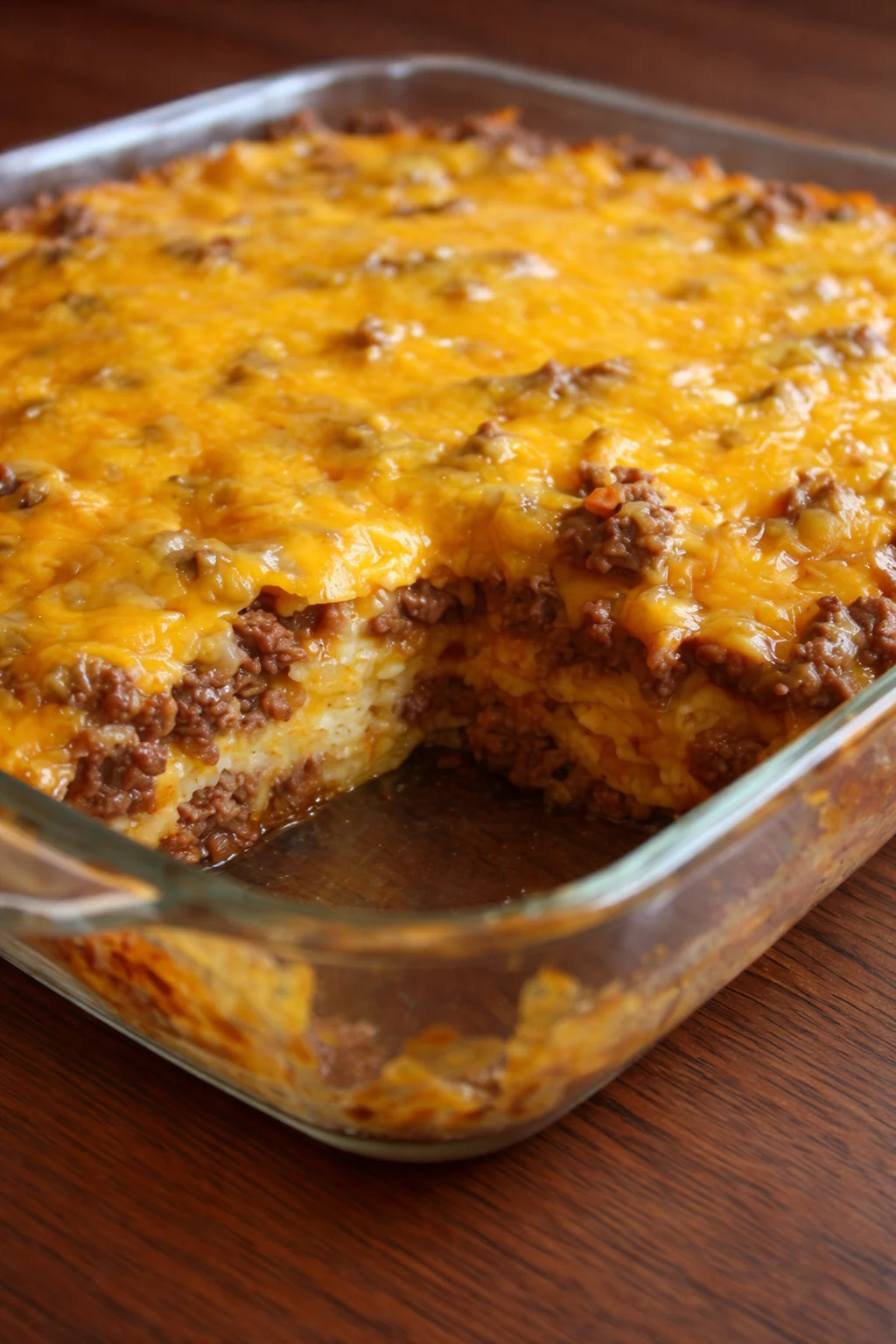
I always bring this prosciutto‑wrapped, stuffed chicken roulade when I host — it looks like a showstopper sliced at the table and actually comes together faster than it looks. Thin chicken breasts are filled with goat cheese, sundried tomatoes, and basil, rolled in prosciutto for a salty crust, seared to color, then finished in the oven. The result is moist, flavorful slices that look restaurant‑worthy and reliably impress guests without requiring advanced skills.
Why you’ll love this dish
This chicken roulade balances elegant presentation with straightforward technique. It’s the sort of dish that reads as “fancy” on the dinner table but is built from pantry-friendly ingredients and a predictable cook time — perfect for a party where you want to spend more time with guests than over the stove.
“People always ask how long I practiced — the answer: zero. It’s mostly about pounding, filling, and a hot oven. Every time, people go back for seconds.” — a regular dinner party confession
Reasons to make it:
- Elegant presentation: slice it into medallions for dramatic plating.
- Make‑ahead friendly: you can assemble the roulades a day before.
- Crowd-pleaser flavors: salty prosciutto, tangy goat cheese, sweet sundried tomatoes.
- Good for special occasions, holiday dinners, or an elevated weeknight main.
The cooking process explained
Before you get out the cutting board, here’s the quick workflow so you know what to expect:
- Pound boneless chicken breasts thin to make even sheets.
- Spread the filling (goat cheese, sundried tomatoes, fresh basil).
- Roll the chicken tightly, wrap in prosciutto to hold moisture and add crispness.
- Sear in a hot pan to caramelize the exterior.
- Finish in a preheated oven until internal temperature reaches 165°F (74°C).
- Rest, slice into rounds, spoon pan sauce (optional), and serve.
That flow keeps steps predictable and prevents last‑minute scrambling.
Gather these items
Ingredient list (serves 4):
- 4 boneless, skinless chicken breasts (about 1.5–2 lb / 700–900 g total)
- 8 thin slices prosciutto (2 per breast)
- 6 oz (170 g) goat cheese, softened
- 1/3 cup finely chopped sun‑dried tomatoes (packed in oil, drained)
- 1/4 cup fresh basil leaves, chopped
- 1 garlic clove, minced
- 1 tsp lemon zest
- Salt and black pepper
- 2 tbsp olive oil (for searing)
- 1/2 cup dry white wine or low‑sodium chicken stock (for pan sauce; optional)
- 1 tbsp butter (optional, for finishing sauce)
Substitution notes:
- Goat cheese can be swapped for cream cheese plus a squeeze of lemon for milder tang.
- Prosciutto can be replaced with thin pancetta, or omit for a gluten‑free, lower‑sodium version (increase seasoning).
- Use cherry tomatoes rehydrated if you can’t find oil‑packed sundried tomatoes.
How to prepare it

- Preheat the oven to 400°F (200°C). Line a baking tray with foil or parchment.
- Trim chicken breasts: remove excess fat and, using a meat mallet, rolling pin, or the flat side of a chef’s knife, pound each breast between two pieces of plastic wrap to about 1/4‑inch (6 mm) thickness. Aim for even thickness so they cook uniformly.
- Season both sides lightly with salt and pepper.
- In a bowl, mix goat cheese, sundried tomatoes, basil, minced garlic, and lemon zest until combined.
- Spread ~3–4 tablespoons of the filling on each flattened breast, leaving a 1/2‑inch border.
- Tightly roll each breast from the narrow end into a log. Wrap two prosciutto slices around each roulade, overlapping slightly to encase the chicken and filling. Use kitchen twine if necessary to secure.
- Heat olive oil in an ovenproof skillet over medium‑high heat. Sear roulades on all sides until golden brown (about 2 minutes per side) to develop color and flavor.
- Transfer skillet to the oven, or place roulades on the prepared tray, and roast until internal temperature reads 165°F (74°C) at the thickest part — roughly 12–18 minutes depending on size.
- Remove from oven and let rest 5–10 minutes — resting is important so juices redistribute and slices hold together.
- Optional pan sauce: return skillet to medium heat, add wine or stock, scrape up browned bits, reduce by half, then swirl in butter for gloss. Spoon over sliced roulades.
Keep instructions intentionally short and action‑oriented for easy following.
How to plate and pair
Best ways to enjoy it:
- Slice each roulade into 3–4 medallions and fan them on warm plates for a restaurant look.
- Spoon a little pan sauce over the slices, and finish with torn basil or microgreens.
- Side pairings: lemony arugula salad, roasted asparagus, garlic mashed potatoes, or herbed farro.
- Wine pairing: a light to medium bodied Chardonnay or an unoaked Sauvignon Blanc complements the tangy goat cheese and prosciutto salt.
For a buffet, leave whole on a carving board and slice at the table for theater.
Storage and reheating tips
Keeping leftovers fresh:
- Refrigerate: cool to room temperature, then store in an airtight container for up to 3–4 days.
- Freeze: wrap roulades tightly in plastic wrap, then foil, and freeze for up to 3 months. Thaw overnight in the refrigerator before reheating.
- Reheating: gently reheat slices in a 300°F (150°C) oven until warmed through (about 10–12 minutes), or warm whole roulade covered at low heat to avoid drying. You can also slice and warm briefly in a skillet with a tablespoon of olive oil. Avoid microwaving if you want to preserve texture, but it’s acceptable for quick meals—use short bursts and check temperature.
- Food safety: always reheat until internal temperature reaches 165°F (74°C) and discard any leftovers kept longer than 4 days.
Pro chef tips
- Pound to even thickness: uniform breasts ensure even cooking and prevent dry edges.
- Chill before slicing: if you have time, refrigerate finished roulades 15–20 minutes to firm them up — cleaner slices.
- Use a thermometer: don’t rely on timing alone. A probe thermometer prevents overcooking.
- Searing technique: get the pan hot enough that the meat releases easily; if it sticks, wait another 30 seconds and try again.
- Make stuffing ahead: the filling keeps well for several days; spread it just before rolling to avoid sogginess.
These small adjustments make the difference between “good” and “memorable.”
Creative twists
- Vegetarian option: replace chicken with thinly sliced, peeled eggplant or portobello caps; grill slices, then roll with the same filling.
- Different proteins: use pork tenderloin butterflied and rolled the same way for a pork roulade.
- Add texture: include toasted pine nuts or chopped roasted peppers to the filling for crunch.
- Spice it up: add red pepper flakes or a smear of harissa for a spicy version.
- Make it citrusy: swap lemon zest for orange zest and add chopped thyme for a brighter flavor profile.
Experimenting with one or two swaps keeps the core technique and elevates the flavors.
Your questions answered
Q: Can I assemble the roulades the day before?
A: Yes. Assemble, wrap in plastic, and refrigerate. Sear and roast the day of for best color and texture, or fully cook and gently reheat.
Q: What if my chicken is uneven in size?
A: Pound thicker pieces thinner to match others, or slice larger breasts in half horizontally to create two cutlets — aim for even thickness.
Q: Can I use chicken thighs instead of breasts?
A: Boneless, skinless thighs work but are harder to roll neatly because they’re not uniform. You can butterfly and flatten them, but expect a more rustic look and slightly different cook time.
Q: How do I prevent leaking filling?
A: Don’t overfill and leave a 1/2‑inch border when spreading the filling. Wrap prosciutto snugly to form a seal, and chill briefly before searing if the rolls feel too soft.
Q: Is this recipe gluten‑free?
A: Yes, naturally — just check that any sundried tomatoes or prepared ingredients don’t have hidden gluten additives.
Conclusion
If you want a dinner party main that delivers drama without last‑minute stress, this prosciutto‑wrapped chicken roulade is a reliable choice — elegant, sliceable, and full of layered flavors. For additional technique notes and timing charts that help you plan a multi‑course meal, check this helpful resource on kitchen timing strategies at Finanscidayi. If you’re looking for ingredient sourcing tips and substitutions to adapt the recipe to local availability, see the ingredient sourcing guide on Finanscidayi. For food safety reminders and storage charts to keep leftovers safe, consult the food safety resources at Finanscidayi.
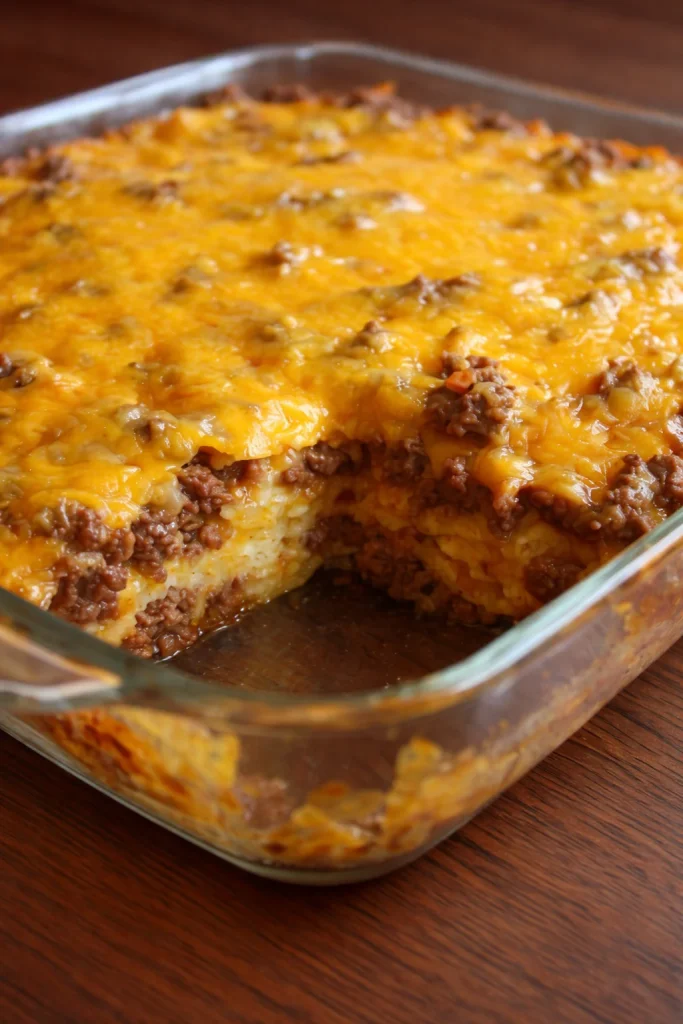
Prosciutto-Wrapped Chicken Roulade
Ingredients
Method
- Preheat the oven to 400°F (200°C). Line a baking tray with foil or parchment.
- Trim chicken breasts: remove excess fat and pound each breast between two pieces of plastic wrap to about 1/4-inch (6 mm) thickness.
- Season both sides lightly with salt and pepper.
- In a bowl, mix goat cheese, sun-dried tomatoes, basil, minced garlic, and lemon zest until combined.
- Spread 3–4 tablespoons of the filling on each flattened breast, leaving a 1/2-inch border.
- Tightly roll each breast from the narrow end into a log and wrap two prosciutto slices around each roulade.
- Heat olive oil in an ovenproof skillet over medium-high heat and sear roulades on all sides until golden brown (about 2 minutes per side).
- Transfer skillet to the oven or place roulades on the prepared tray, and roast until internal temperature reads 165°F (74°C) — roughly 12–18 minutes.
- Remove from oven and let rest for 5–10 minutes.
- Return skillet to medium heat, add wine or stock, scrape up browned bits, and reduce by half.
- Swirl in butter for gloss and spoon over sliced roulades.