Homemade Sourdough Bread

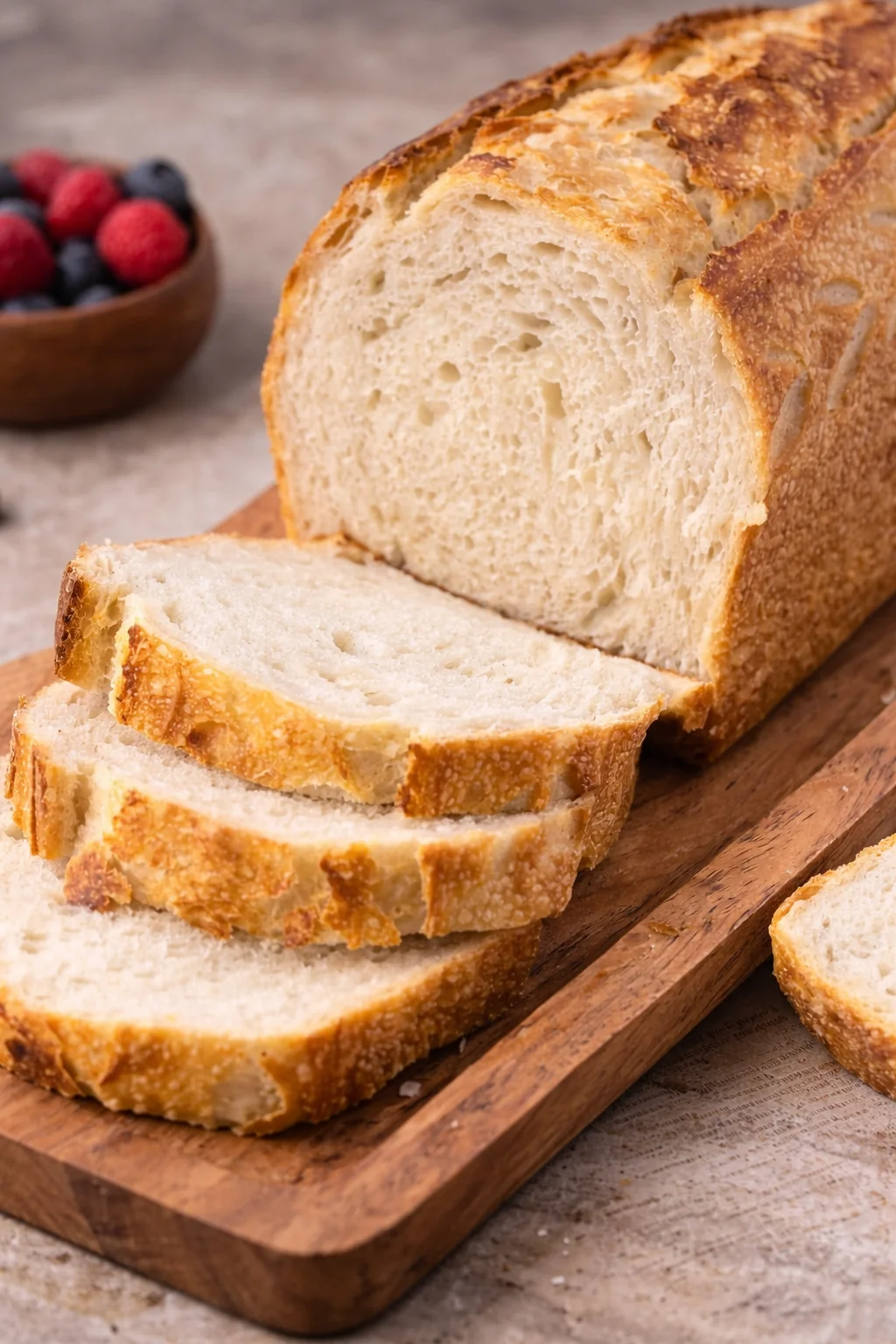
Homemade sourdough bread is a delightful project that embodies warmth and love. There’s something undeniably special about the aroma of bread baking, filling your home with comfort. When I first tackled this recipe, I found that it not only brought people together around the table, but it became a cherished part of our family traditions, perfect for everything from cozy dinners to impressive brunches. With a crispy, bubbly crust and a soft interior, this loaf is sure to steal the show at any gathering.
Why You Should Try This Recipe
Making your own sourdough bread is more than just a culinary endeavor—it’s a satisfying journey into the art of baking. Here’s why you’ll love this recipe:
- Quality Ingredients: With simple and wholesome components like active sourdough starter and bread flour, you are in control of what goes into your food.
- Customizable: Whether you enjoy it with a spread of butter, made into sandwiches, or paired with soups, sourdough is incredibly versatile.
- Health Benefits: Fermented through the natural process of wild yeast, sourdough bread can be easier to digest and may offer improved nutritional benefits compared to conventional bread.
- Homemade Comfort: There’s immense satisfaction and joy in producing a crusty loaf that outshines store-bought alternatives.
"This sourdough recipe is a game changer. The flavor is rich and complex, and my family can’t get enough of the crunchy crust! Definitely a favorite in our house."
Preparing Homemade Sourdough Bread
Creating your own sourdough bread involves a few simple but vital steps. The process can seem daunting at first, but it breaks down nicely into manageable phases. Here’s a quick overview:

- Mix your starter, warm water, oil, honey, and salt together.
- Gradually incorporate the bread flour, and let it rest to develop gluten.
- Knead the dough and perform stretch and folds to build strength.
- Allow the dough to rise until it has grown significantly.
- Shape and proof the loaf, before finally baking it to perfection.
This recipe couldn’t be more straightforward, so let’s gather the essentials.
What You’ll Need
To make a delicious homemade sourdough bread, you’ll require the following ingredients:
- 125 g active sourdough starter (ensure it’s fed and bubbly)
- 325 g warm filtered water (around 90°F)
- 20 g neutral oil (consider avocado, olive, or canola)
- 12 g honey
- 12 g fine sea salt
- 500 g bread flour
Feel free to experiment with different oils or even add a touch of whole wheat flour for an interesting flavor twist!
Step-by-Step Instructions

Let’s dive into the cooking process with clear directions:
- In a large bowl, combine the starter, warm water, oil, honey, and salt. Stir to dissolve everything thoroughly.
- Gradually add the bread flour, mixing until there are no dry bits left. You might notice the dough is shaggy and sticky at this point.
- Cover the bowl and let the mixture rest for 30 minutes. This is crucial as it allows the flour to hydrate and kick-start gluten development.
- After resting, wet your hands and knead the dough in the bowl for 3 to 4 minutes, using a push-pull motion to build more strength. Rewet your hands as needed.
- Cover and let rest for another 30 minutes. Now it’s time for your first set of stretch and folds. With wet hands, lift one side of the dough, stretch it slightly, and fold it over. Rotate the bowl, repeating this on all sides. Aim for 4 to 8 stretches per round and do this for a total of 3 sets, spaced 30 minutes apart.
- After the last fold, cover the bowl and let it rise until it is 60 to 75 percent larger, domed, and bubbly along the sides—this can take 5 to 8 hours at room temperature.
- When ready, turn the dough out onto a floured surface, possibly adding more flour to prevent sticking. Gently stretch it into a rectangle. Fold each side into the middle and roll it into a log, seam-side down, placing it in a greased 9×5 loaf pan.
- Cover and allow the dough to rise until it domes about half to one inch over the pan rim, taking 2 to 4 hours. Alternatively, you can cover it and refrigerate for up to 48 hours, finishing the rise at room temperature before baking.
- Preheat your oven to 450°F. Score the top of the bread with a simple slash or a decorative pattern to encourage even expansion. Mist lightly with water and cover with a second loaf pan placed upside down to trap in steam.
- Bake covered for 25 to 30 minutes. Then, remove the top pan, reduce the heat to 425°F, and bake for another 10 to 15 minutes until the loaf is deep golden brown and reaches an internal temperature of 205 to 210°F. If it browns too quickly, loosely cover it with foil.
- Finally, allow the bread to cool completely for 2 hours before slicing to prevent a gummy crumb. But trust me, it’s tempting to enjoy this warm, fresh loaf right away!
Best Ways to Enjoy It
Now that your homemade bread is ready, how can you best enjoy this creation? Here are some fun ideas:
- Toast with Toppings: Slice and toast a piece, then top it with avocado, a sprinkle of salt, or your favorite jam.
- Bread for Sandwiches: Use it as delightful bread for hearty sandwiches or classic PB&J.
- Accompaniment to Soups and Salads: Pair with your favorite soups or light salads—it’s a match made in heaven!
- French Toast: Transform leftover slices into a decadent French toast breakfast.
Storage and Reheating Tips
To keep your leftover sourdough fresh, remember the following storage tips:
- Room Temperature: Store in a paper bag or wrapped in a tea towel for 1-2 days.
- Longer Storage: For longer preservation, wrap tightly in plastic wrap and place in a zip-top bag before freezing. It can last up to three months.
- Reheating: When ready to eat, let the bread thaw at room temperature. You can also pop slices in the toaster for a quick reheating.
Helpful Cooking Tips
Here are some pro tips to ensure success with each loaf:
- Active Starter: Ensure your sourdough starter is bubbly and active before using; feed it at least 4-6 hours prior.
- Hydration Check: If your dough feels too dry, add a splash more water, but if it’s too wet, a tad more flour can help.
- Kneading Technique: Knead gently; you want to develop the texture without compressing air pockets.
- Be Patient: Sourdough can take time, but this patience is what delivers a stunning loaf!
Creative Twists
While classic sourdough is fantastic as is, don’t hesitate to add your own flair.
- Herb-Infused: Mix in fresh herbs like rosemary or thyme for aromatic bread.
- Nutty Addition: Incorporate nuts or dried fruits for an interesting texture and flavor.
- Cheesy Delight: Adding shredded cheese into the dough can give you a delightful cheesy crust.
Your Questions Answered
What is the ideal temperature for proofing the dough?
Room temperature, around 70-75°F, encourages active fermentation.Can I use whole wheat flour instead of bread flour?
Yes, but it can alter the texture and may need more water due to higher absorption.Why does my bread have a gummy crumb?
This can happen if it isn’t cooled completely before slicing. Be patient; it’s worth the wait!
Sourdough baking can be an incredibly rewarding experience filled with delectable homemade goodness. Try this recipe for yourself, and enjoy the smell of warm bread wafting through your kitchen—it’s a moment worth every second of effort!
Sourdough Bread
Ingredients
Method
- In a large bowl, combine the starter, warm water, oil, honey, and salt. Stir to dissolve everything thoroughly.
- Gradually add the bread flour, mixing until there are no dry bits left. The dough should be shaggy and sticky.
- Cover the bowl and let the mixture rest for 30 minutes to allow the flour to hydrate and kick-start gluten development.
- After resting, wet your hands and knead the dough in the bowl for 3 to 4 minutes, using a push-pull motion.
- Cover and let rest for another 30 minutes. Perform stretch and folds on all sides for a total of 3 sets, each spaced 30 minutes apart.
- Let the dough rise until it is 60 to 75 percent larger, domed, and bubbly along the sides—this can take 5 to 8 hours.
- Turn the dough out onto a floured surface and gently stretch into a rectangle. Fold sides into the middle and roll into a log, placing seam-side down in a greased 9x5 loaf pan.
- Cover and let the dough rise until it domes about half to one inch over the pan rim, taking 2 to 4 hours.
- Preheat your oven to 450°F. Score the top of the bread and mist lightly with water. Cover with a second loaf pan placed upside down.
- Bake covered for 25 to 30 minutes, then remove the top pan, reduce the heat to 425°F, and bake for another 10 to 15 minutes.
- Allow the bread to cool completely for 2 hours before slicing.