Custard Pie

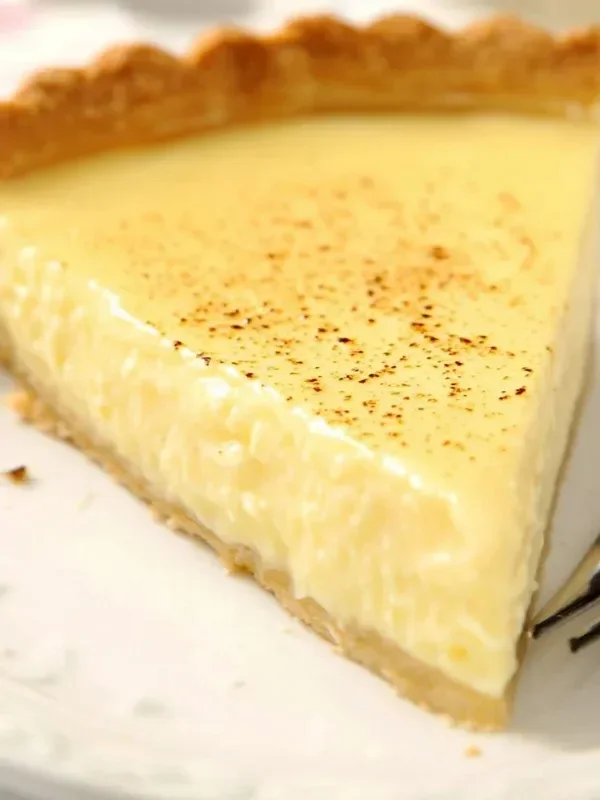
I grew up with a simple custard pie on the holiday table — smooth, lightly sweet, and comforting in a way only baked eggs can be. This classic custard pie uses pantry staples and a single pie crust to deliver a silky filling that’s perfect for weeknight dessert or a relaxed Sunday brunch. It’s straightforward, forgiving, and a great way to get comfortable with egg-based desserts.
Why you’ll love this dish
This custard pie is the kind of dessert that feels homemade even on hectic days. It’s quick to assemble, budget-friendly, and crowd-pleasing — children and adults alike appreciate its gentle sweetness and tender texture. Make it for family gatherings, potlucks, or whenever you want a nostalgic, unfussy finish to a meal.
“Smooth, old‑fashioned flavor with a golden top — reminds me of my grandmother’s kitchen.”
What makes this recipe special is its simplicity: no complicated custard tempering, no heavy cream required, and one baking pan does it all. If you enjoy variations, you can explore richer or seasonal versions to suit the occasion.

Step-by-step overview
Before you dive in, here’s the process at a glance: whisk dry ingredients, combine the eggs with milk and vanilla, mix the two sets together until silky, pour into a prepared pie shell, and bake until the center is just set. Expect about 10–15 minutes to prep and 45–50 minutes to bake. If you like a slightly creamier edge, let the pie cool slowly; for a firmer set, bake a few extra minutes.
If you want to compare textures or other approaches, see this cream custard pie for another take.
What you’ll need
- 1 cup sugar
- 1/4 cup all-purpose flour (helps stabilize the filling; cornstarch can be used for a silkier texture)
- 1/4 teaspoon salt
- 3 large eggs
- 2 cups milk (whole milk gives the best richness; use 2% or a mix of milk and half-and-half if preferred)
- 1 teaspoon vanilla extract (or 1 teaspoon vanilla bean paste)
- 1 pie crust (store-bought or homemade; blind-baked slightly is optional)
Notes and substitutions:
- For a gluten-free version, swap the flour for 2 tablespoons cornstarch plus 2 tablespoons almond flour, or use a certified gluten-free flour blend.
- To reduce sugar, try 3/4 cup granulated sugar, but expect a subtly less sweet profile.
- Want a dairy-free custard? Use a creamy plant milk (oat or soy) and be aware the texture will be slightly different.
For more ingredient ideas and variations, check this page on custard pie variations.
Step-by-step instructions

- Preheat the oven to 350°F (175°C). Place the rack in the middle.
- In a large bowl, whisk together the sugar, flour, and salt until evenly combined.
- In a separate bowl, beat the eggs until uniform in color. Add the milk and vanilla; whisk until smooth.
- Pour the egg mixture into the sugar mixture. Stir gently until the batter is smooth and free of lumps.
- Place the prepared pie crust in a 9-inch pie plate (trim and flute or crimp the edges if desired). Pour the custard filling into the crust.
- Bake for 45–50 minutes. The custard is done when the edges are set and the center still has a slight, gentle wobble; the top should be lightly browned. (Optional: check with an instant-read thermometer — the center should be around 170–175°F / 77–79°C.)
- Remove from the oven and allow the pie to cool on a rack. Chill for at least 2 hours before slicing for the cleanest pieces. Serve chilled or at room temperature.
Best ways to enjoy it
Serve slices plain for a pure experience, or elevate with:
- A dusting of cinnamon or nutmeg right before serving.
- A dollop of lightly sweetened whipped cream or crème fraîche.
- Fresh berries or a warm berry compote for contrast.
- Toasted nuts (almonds or pecans) for texture.
Pair custard pie with a light coffee, hot tea, or a sweet dessert wine for a cozy finish.
Storage and reheating tips
- Refrigerate within 2 hours of baking. Store covered in the fridge for up to 3–4 days.
- For best texture, slice and serve chilled or at room temperature; reheating can make the custard weep. If you prefer warm, reheat briefly in a low (250°F/120°C) oven for 8–10 minutes.
- To freeze: wrap the whole pie tightly in plastic and then foil. Freeze for up to 1 month. Thaw overnight in the refrigerator before serving. Note: freezing can slightly change texture; custard is best fresh or refrigerated.
Pro chef tips
- Use room-temperature eggs and milk to promote even mixing and a smooth custard.
- Don’t over-beat the eggs; you want them combined, not aerated. Excess air can cause bubbling and cracks in the bake.
- For an ultra-silky top, tent the pie with foil if the crust or edges brown too quickly.
- If you’re nervous about cracks, try a water bath (place the pie plate in a larger pan and add hot water halfway up the side). It moderates oven heat but is optional.
- Rest the pie at least 2 hours before slicing to let the custard finish setting.
For additional detailed tips and troubleshooting, you might find these custard pie tips helpful.
Creative twists
- Lemon-vanilla custard: add 1 teaspoon grated lemon zest to the filling for bright citrus notes.
- Nutmeg or cardamom: swap a pinch of ground cardamom for nutmeg to add depth.
- Boozy touch: fold in 1 tablespoon of rum or bourbon for a grown-up flavor.
- Corn custard variation: blend a little sweet corn purée into the milk before mixing for a Southern-style sweet corn custard.
- Mini tarts: bake in tart pans for portable, single-serving custards.
Your questions answered
Q: How do I know when the custard is fully set?
A: The edges should be set and the center will still have a slight jiggle — like gelatin. If you use a thermometer, aim for about 170–175°F (77–79°C) in the center.
Q: Can I use a store-bought pie crust?
A: Yes. Store-bought crusts are a convenient and perfectly acceptable option. If the crust is prone to puffing, press it into the pan and chill briefly before filling.
Q: Can I make this ahead of time?
A: Absolutely. Bake the pie, then chill it. It often slices cleaner after a full chill (2–4 hours). Store refrigerated up to 3–4 days.
Q: Is it safe to eat custard with eggs?
A: Yes — baking until the internal temperature reaches at least 160°F (71°C) ensures egg proteins are safely set. Refrigerate within 2 hours of cooling.
Q: How can I make this gluten-free or vegan?
A: For gluten-free, swap the flour or omit and thicken with cornstarch. For vegan, this formula needs more extensive changes: use silken tofu or a cornstarch-based coconut milk custard and an egg replacer; expect a different texture.
Conclusion
If you want to explore different textures and the old‑fashioned approach, this version pairs well with resources like Old Fashioned Silky Creamy Custard Pie – Small Town Woman. For a tried-and-true family-style recipe, compare notes with Grandma’s Egg Custard Pie Recipe. And for a seasonal twist using corn, see Sweet Corn Custard Pie – The Pie Academy – Pie-Making ….
Ready to give it a try? Gather your ingredients, set aside about an hour and a half including cooling, and enjoy a slice of classic comfort.

Custard Pie
Ingredients
Method
- Preheat the oven to 350°F (175°C). Place the rack in the middle.
- In a large bowl, whisk together the sugar, flour, and salt until evenly combined.
- In a separate bowl, beat the eggs until uniform in color. Add the milk and vanilla; whisk until smooth.
- Pour the egg mixture into the sugar mixture. Stir gently until the batter is smooth and free of lumps.
- Place the prepared pie crust in a 9-inch pie plate. Pour the custard filling into the crust.
- Bake for 45–50 minutes, until the edges are set and the center has a slight, gentle wobble. The top should be lightly browned.
- Remove from the oven and allow the pie to cool on a rack. Chill for at least 2 hours before slicing.